

“`html
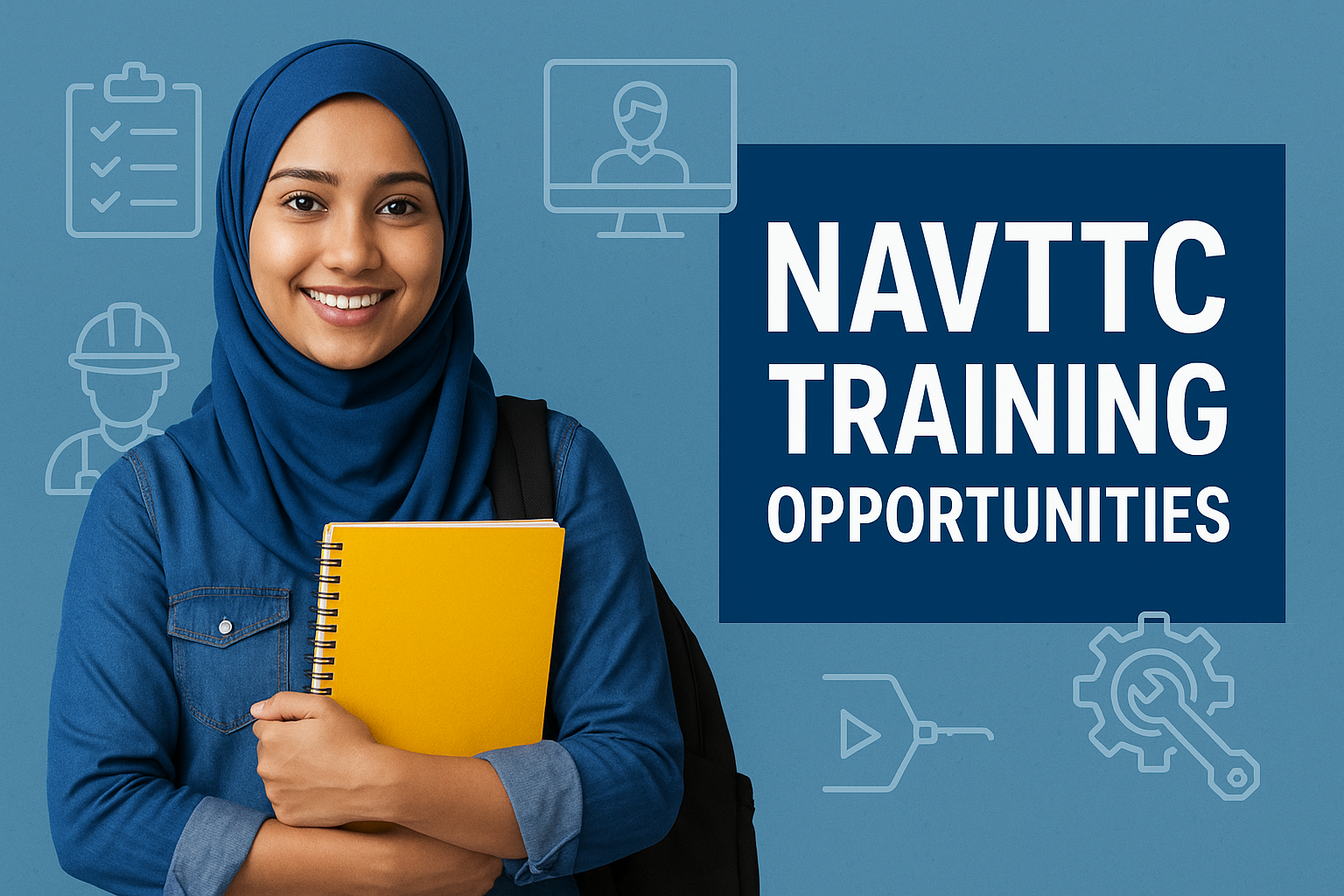
The National Vocational and Technical Training Commission (NAVTTC) serves as a cornerstone for vocational education in Pakistan. Established to address the skills gap in the workforce, NAVTTC training programs are designed to empower individuals with the technical skills required in various industries. This initiative is critical, especially in a country where youth unemployment rates are notably high. By examining the various training opportunities provided by NAVTTC, we can gain insights into how these programs are sculpting the future workforce of Pakistan.
The Genesis of NAVTTC
Founded in 2005, NAVTTC was initiated under the Government of Pakistan to enhance the skills of the workforce and align the educational framework with the needs of the labor market. Recognizing that economic growth is directly linked to skilled labor, the commission took on the responsibility of regulating and promoting vocational training across the nation. The commission aims to uplift the standards of technical training to ensure that graduates can compete on both local and international levels.
With an emphasis on quality and relevance, NAVTTC has partnered with various stakeholders, including educational institutions, industry representatives, and international organizations, to develop training programs that are not only diverse but also tailored to market demands. This effort is vital for a country like Pakistan, where the youth population is large, and their engagement in productive employment is paramount for national progress.
Diverse Training Programs
NAVTTC training programs encompass a wide range of sectors and skills, catering to different interests and career paths. The commission offers courses in fields such as:
- Information Technology
- Automotive Engineering
- Construction and Building
- Textiles and Fashion
- Hospitality and Tourism
- Health and Safety
- Entrepreneurship
These programs are designed to provide both theoretical knowledge and practical experience, ensuring that participants are job-ready upon completion. For instance, in the IT sector, students learn everything from basic computer skills to advanced programming languages, preparing them for various roles in a rapidly evolving digital landscape. The hands-on training ensures that they can apply their skills in real-world situations, making them more attractive to employers.
Collaborative Ventures
One of the distinguishing features of NAVTTC training programs is the collaborative approach taken to develop curricula. The commission works closely with industry leaders to identify the skills that are in demand, thus ensuring that the training provided is aligned with market needs. For example, in partnership with the Pakistan Software Export Board (PSEB), NAVTTC has introduced specialized courses in software development and digital marketing, directly addressing the skills gap in these critical areas.
These partnerships not only enhance the quality of training but also facilitate internships and job placements for graduates. Working with reputable companies allows trainees to gain invaluable experience and helps them transition smoothly into the workforce. Additionally, NAVTTC’s collaboration with international organizations, such as the International Labour Organization (ILO), further enhances the quality and scope of training programs, introducing global standards of vocational education into the Pakistani context.
Empowering Women Through Skill Development
In a society where women’s participation in the workforce remains relatively low, NAVTTC has been proactive in promoting gender equality through its training initiatives. Specific programs are designed to encourage women to acquire technical skills that can lead to economic independence. We covered specific technical skills in more detail.
For instance, courses in tailoring, beauty therapy, and computer applications have attracted many female participants, providing them with the skills necessary to start their businesses or gain employment. Initiatives like the “Women Empowerment Program” have not only focused on skill development but also on building confidence among women, encouraging them to enter fields traditionally dominated by men.
The impact of these efforts can be seen in communities where women, who once faced significant barriers, are now contributing to their families’ incomes and challenging societal norms.
Success Stories and Impact
The effectiveness of NAVTTC training programs can be illustrated through numerous success stories. Graduates have launched successful businesses, taken on significant roles in established companies, and contributed to the development of their communities. For example, Mohammad Ali, a graduate of a NAVTTC automotive engineering program, started his own workshop within a year of completing his training. Today, he employs several individuals and has built a reputation for quality service in his area.
These stories are not isolated; they represent a growing trend of individuals capitalizing on the skills obtained through NAVTTC. This ripple effect contributes to economic growth, reduces unemployment rates, and fosters entrepreneurship throughout the country. Such successes highlight the critical role of vocational training in shaping not just individual lives but also the broader economic landscape of Pakistan.
Challenges and Opportunities Ahead
Despite its numerous benefits, NAVTTC faces challenges that could hinder its effectiveness. Issues such as limited funding, outdated facilities, and a lack of awareness about available programs can restrict access to training opportunities. Furthermore, there is a persistent stigma around vocational education, often perceived as a last resort for those who cannot pursue traditional academic pathways.
However, these challenges also present opportunities for improvement. Increased government support and investment in infrastructure can enhance the quality of training institutions. Additionally, targeted marketing campaigns can raise awareness about the value of vocational education, helping to shift public perception.
Furthermore, as the global economy increasingly leans toward skilled labor, the demand for trained professionals in various fields will continue to rise. NAVTTC is in a prime position to capitalize on this trend, adapting its programs to meet evolving market needs while emphasizing the importance of lifelong learning.
The Future of NAVTTC Training Programs
The future of NAVTTC training programs looks promising, with ongoing developments aimed at enhancing the scope and quality of vocational education in Pakistan. As the government recognizes the importance of a skilled workforce for sustainable development, NAVTTC is expected to receive more attention and resources.
Plans are underway to expand training offerings in emerging fields such as renewable energy, artificial intelligence, and data analytics. By staying ahead of technological trends and labor market demands, NAVTTC can ensure that its programs remain relevant and impactful.
Additionally, as more partnerships are formed with international educational institutions, the quality of training is likely to improve further. Opportunities for exchange programs and collaborative research can enrich the learning experience for students, providing them with a global perspective.
Statistics on NAVTTC Training Programs
Understanding the impact of NAVTTC training programs can be bolstered by statistics that highlight their reach and effectiveness. As of 2023, NAVTTC has trained over 1.5 million individuals, with a significant percentage of graduates finding employment within six months of completing their courses. A survey conducted by NAVTTC indicated that approximately 70% of participants reported an improvement in their job prospects post-training.
Moreover, sectors such as IT and hospitality have seen a sharp increase in demand for skilled workers, with projections indicating a growth rate of over 20% in these fields. This aligns with NAVTTC’s commitment to continuously update its training programs based on labor market analyses, ensuring that they meet the evolving needs of employers. (uneducation in Pakistan)
Comparative Analysis with Global Standards
When comparing NAVTTC training programs to global vocational training standards, several elements stand out. Countries like Germany and Australia, known for their robust vocational education systems, have established frameworks that emphasize dual training—where students split their time between classroom instruction and hands-on experience in the workplace. NAVTTC is increasingly adopting this model to enhance the job readiness of its graduates.
For instance, initiatives like the “Apprenticeship Program” allow students to work with industry partners during their training, thus giving them practical exposure while earning stipends. This model not only improves employability but also helps students build networks within their chosen industries.
Frequently Asked Questions
1. What types of courses does NAVTTC offer?
NAVTTC offers a wide range of courses across various sectors, including IT, automotive engineering, construction, textiles, hospitality, health and safety, and entrepreneurship, among others. For more on this, see classroom activities for job readiness.
2. Who can apply for NAVTTC training programs?
Anyone who is interested in acquiring vocational skills can apply for NAVTTC training programs. There are no strict educational prerequisites for most of the courses, making it accessible to a broader audience.
3. Are NAVTTC training programs free?
While some programs are offered free of charge, others may involve a nominal fee. Financial assistance or scholarship opportunities may also be available for eligible participants.
4. How long do the training programs last?
The duration of training programs varies depending on the course. Some may last a few weeks, while others can extend up to a year, especially for more comprehensive skill sets.
5. How does NAVTTC support job placement for graduates?
NAVTTC collaborates with various industries and companies to facilitate internships and job placements for its graduates, enhancing their chances of employment after completing their training.
Real-World Applications of NAVTTC Training
The practical applications of the skills learned in NAVTTC training programs can be seen in various industries across Pakistan. For instance, graduates from the automotive engineering program are not only able to secure jobs in auto repair shops but are also equipped to innovate within the automotive sector. Many have started their workshops, contributing to local economies and creating jobs for others.
Similarly, graduates in the fields of hospitality and tourism are increasingly finding lucrative opportunities in Pakistan’s growing tourism sector. With the country’s rich cultural heritage and natural beauty, more trained hospitality professionals are needed to meet the rising number of local and international tourists.
The Role of Technology in NAVTTC Training Programs
Technology plays a pivotal role in enhancing the effectiveness of NAVTTC training programs. With the integration of digital tools, trainees have access to a wealth of resources, including online lectures, virtual labs, and interactive platforms that enrich their learning experience. For example, students in IT courses benefit from state-of-the-art software and hardware, simulating real-world tech environments, which prepares them for the demands of modern workplaces.
Furthermore, NAVTTC is exploring the use of artificial intelligence and machine learning to better match training programs with industry requirements. By analyzing data on job market trends, NAVTTC can refine its course offerings to ensure that they address the skills employers are actively seeking.
In summary, NAVTTC training programs are more than just educational offerings; they represent a lifeline for many individuals seeking to improve their livelihoods. By addressing the skills gap, empowering women, and fostering entrepreneurship, these programs play a pivotal role in shaping the future of Pakistan’s workforce. With ongoing support and strategic initiatives, NAVTTC can continue to transform the landscape of vocational education, making it a vital component of the nation’s economic growth.
“`
Trending Now
Frequently Asked Questions
What is NAVTTC and what does it do?
The National Vocational and Technical Training Commission (NAVTTC) is a government body in Pakistan established in 2005 to enhance vocational education. It aims to bridge the skills gap in the workforce by providing training programs that align with industry needs, thereby empowering individuals with necessary technical skills.
What types of training programs does NAVTTC offer?
NAVTTC offers a diverse range of training programs across various sectors, including Information Technology, Automotive Engineering, Construction, Textiles, Hospitality, Health and Safety, and Entrepreneurship. These programs are tailored to meet market demands and support career development.
How does NAVTTC contribute to reducing youth unemployment?
NAVTTC plays a crucial role in reducing youth unemployment in Pakistan by providing vocational training that equips young individuals with the skills needed in the job market. By aligning training with industry requirements, it enhances employability and promotes productive engagement in the workforce.
Who can benefit from NAVTTC training programs?
NAVTTC training programs are designed for individuals looking to enhance their skills and improve their employability. This includes youth entering the job market, professionals seeking to upgrade their skills, and anyone interested in pursuing a career in various technical fields.
How does NAVTTC ensure the quality of its training programs?
NAVTTC ensures the quality of its training programs by collaborating with educational institutions, industry representatives, and international organizations. This partnership helps develop relevant and high-standard curricula that meet both local and global market demands.
What's your take on this? Share your thoughts in the comments below — we read every one.



