
“`html
Introduction to Recent Research on Children Mental Health
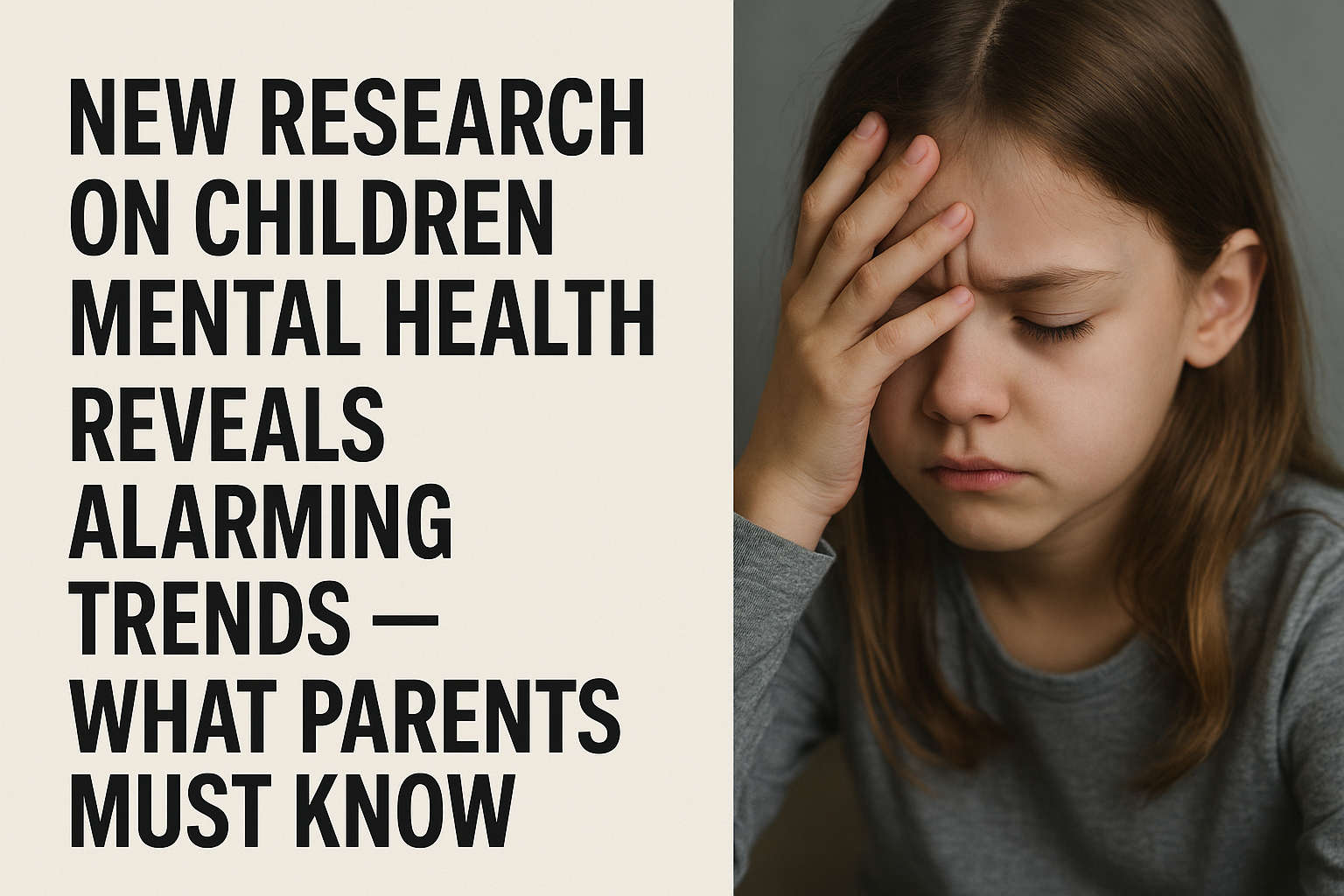
In a groundbreaking release, Santé publique France unveiled new findings from two pivotal studies, Enabee and EnCLASS, focused on the mental health of children aged 6 to 11 and adolescents. As discussions about children mental health have become increasingly urgent among parents, educators, and policymakers, this new data arrives at a crucial time. The findings shed light on the rising levels of anxiety, depression, and general distress among younger populations, especially in a post-pandemic context.
The Context of Children Mental Health Studies
The studies conducted by Santé publique France are timely as global societal changes have placed unprecedented stress on children and adolescents. In recent years, children have faced disruptions in education, social isolation, and heightened exposure to digital screens. These factors have significant implications for their mental health and well-being.
The Enabee study focuses primarily on children aged 6 to 11, an age group that is often overlooked in mental health discussions. The EnCLASS study, on the other hand, targets adolescents, providing insights into the psychological challenges faced during these critical developmental years. By examining these two groups, the findings present a comprehensive view of the state of children mental health in France.
Key Findings from the Studies
The data from both studies reveal alarming trends. First and foremost, there has been a notable increase in reported cases of anxiety and depression among children and adolescents. The findings indicate that:
- Approximately 25% of children aged 6 to 11 exhibit symptoms of anxiety.
- Adolescents aged 12 to 17 report mental distress at rates significantly higher compared to previous years.
- Increased screen time, particularly from social media and gaming, is correlated with higher levels of reported anxiety and depression.
These statistics underscore the urgency for parents and educators to address mental health issues proactively. Understanding the root causes of these trends is crucial for effective intervention.
Impact of Screen Time on Children Mental Health
One of the most pressing issues highlighted by the research is the impact of screen time on children mental health. With the rise of technology and online platforms, children are spending more time than ever in front of screens. While technology can have educational benefits, excessive use can lead to negative mental health outcomes.
The studies suggest that children who spend more than three hours per day on screens are more likely to experience anxiety and depression. This trend raises critical questions about the balance between digital engagement and mental wellness. Educators and parents are urged to monitor screen time and encourage alternative activities that promote physical and mental health.
Furthermore, a recent study published in the Journal of Child Psychology and Psychiatry found that children who engage in social media interactions may experience feelings of inadequacy and comparison with peers, exacerbating feelings of anxiety. It is crucial for families to understand not only the quantity of screen time but also the quality — with social media often being a double-edged sword.
Academic Pressure and Its Effects
Alongside screen time, academic pressure has emerged as a significant factor affecting children mental health. The expectations placed on students to perform well academically can lead to heightened stress and anxiety levels.
The EnCLASS study reveals that adolescents often feel overwhelmed by academic demands, which can lead to a cycle of negative emotions and diminished self-esteem. As students strive to meet these expectations, many report feeling isolated and unsupported. Schools can play a vital role in fostering a supportive environment that prioritizes mental health and well-being over mere academic achievement. (See: Children's Mental Health Resources.)
In fact, according to the OECD’s recent report, more than 30% of students in high-pressure academic environments report feelings of chronic stress, which can lead to burnout and disengagement from school. This statistic calls for urgent reforms in how educational systems approach student assessment and support.
The Role of Parents in Supporting Children Mental Health
Given the findings from the studies, parents play a critical role in safeguarding their children’s mental health. Open communication is key; families should create an environment where children feel comfortable discussing their feelings and concerns. Regularly checking in on children’s emotional well-being can help identify issues before they escalate.
Additionally, parents can implement practical strategies to support their children’s mental health, including:
- Encouraging physical activity and outdoor play, which are vital for relieving stress and improving mood.
- Setting limits on screen time to foster healthier habits and encourage in-person social interactions.
- Promoting healthy sleep patterns, as sleep is crucial for emotional regulation and overall mental health.
By taking these proactive steps, parents can help mitigate the effects of anxiety and depression in their children. For instance, involving children in family activities such as cooking or gardening can provide them with a sense of accomplishment and belonging, further enhancing their emotional resilience.
Schools and Policy Implications
The findings from the Enabee and EnCLASS studies also highlight the urgent need for schools to adopt policies that prioritize children mental health. Schools are in a unique position to identify and address mental health issues early on.
Implementing programs that support emotional well-being, such as mental health education and counseling services, can provide students with the tools they need to navigate their feelings. Furthermore, training teachers to recognize signs of mental distress can facilitate early intervention and support.
Policymakers must also consider the implications of these findings. Investing in mental health resources for schools and developing public health campaigns can further raise awareness and support for children mental health initiatives. For example, the “Mental Health in Schools” program in the UK has shown promising outcomes by providing mental health training for teachers and on-site counseling for students.
Understanding Gender Differences in Children Mental Health
It is essential to recognize that children mental health is not uniform across genders. Research indicates that boys and girls may experience and express mental health issues differently, often influenced by societal expectations and norms.
For instance, girls are statistically more likely to report anxiety and depression, while boys may display externalizing behaviors such as aggression. This difference underscores the importance of tailoring mental health interventions to address these gender-specific needs. An analysis from the American Psychological Association revealed that gender-specific programs could significantly improve engagement and outcomes for both boys and girls, emphasizing the need for nuanced approaches in mental health support.
Community Support and Resources for Children Mental Health
Beyond the immediate environment of home and school, community support plays a crucial role in children mental health. Local resources such as community centers, youth organizations, and mental health advocacy groups can serve as vital support systems for families.
Engaging with community resources can provide children and adolescents with opportunities for social interaction, skill-building, and emotional support. Programs that promote peer mentoring, arts, and sports can help children build resilience and foster a sense of belonging. For example, community-based initiatives like the “Youth Mental Health First Aid” program aim to equip adults with the skills to support young people facing mental health challenges, fostering a more supportive environment for mental well-being. (See: Statistics on Children's Mental Health.)
Conclusion: A Call to Action for Children Mental Health
The recent research from Santé publique France offers critical insights into the mental health of children and adolescents. As anxiety, depression, and distress levels rise among youth, it is imperative for parents, schools, and policymakers to respond with urgency and care.
By prioritizing mental health and implementing supportive strategies, we can create a healthier environment for future generations. Everyone has a role to play in this endeavor, and the time to act is now.
As we continue to navigate the complexities of modern life, fostering children mental health should remain at the forefront of our collective efforts.
Frequently Asked Questions about Children Mental Health
What are the signs of mental health issues in children?
Signs of mental health issues in children may include persistent sadness, irritability, withdrawal from social activities, changes in eating or sleeping patterns, and difficulty concentrating. Parents and caregivers should be vigilant for these signs and consider seeking support if they notice significant changes.
How can I talk to my child about mental health?
When discussing mental health with your child, use simple, age-appropriate language. Encourage them to express their feelings and listen actively without judgment. Normalizing the conversation around mental health can help reduce stigma and foster open communication.
What should I do if I think my child needs professional help?
If you believe your child is struggling with mental health issues, consult with a healthcare professional or a licensed therapist who specializes in children mental health. Early intervention can make a significant difference in their recovery process.
Are there effective therapies for children mental health?
Yes, various therapies such as Cognitive Behavioral Therapy (CBT), play therapy, and family therapy have shown effectiveness in addressing mental health issues in children. It is essential to work with a qualified mental health professional to determine the best approach for your child.
How can schools support children mental health?
Schools can support children mental health by implementing mental health education, providing access to counseling services, training teachers to recognize signs of distress, and creating an inclusive, supportive environment that prioritizes well-being over academic performance.
What role does nutrition play in children mental health?
Nutrition plays a crucial role in children mental health. A balanced diet rich in fruits, vegetables, whole grains, and healthy fats can contribute to better emotional regulation and cognitive function. Conversely, a diet high in processed foods and sugar can negatively impact mood and energy levels.
The Importance of Early Intervention in Children Mental Health
Early intervention is vital for promoting positive mental health outcomes in children. Research indicates that addressing mental health issues early can significantly reduce the severity and duration of these challenges. Early intervention programs, which may include therapeutic services, skill-building workshops, and family support, are essential in helping children navigate their emotional and social development effectively. (See: Adolescent Mental Health Facts.)
A study published in the Journal of the American Academy of Child and Adolescent Psychiatry found that children who received early mental health support showed considerable improvement in their emotional well-being over time. These findings highlight the importance of integrating mental health screenings into routine pediatric care, ensuring that young children receive the support they need as early as possible.
Utilizing Technology for Mental Health Support
As technology continues to evolve, innovative solutions are emerging to support children mental health. Digital platforms and apps designed for mental health can provide valuable resources for both children and parents. These tools can include mindfulness exercises, mood tracking, and online counseling services, making mental health support more accessible.
For example, applications like Calm and Headspace offer guided meditations and activities tailored for children, helping them manage stress and anxiety. Moreover, teletherapy has become a viable option for families who may have difficulty accessing traditional in-person therapy, enabling children to receive support from the comfort of their homes.
While technology can provide beneficial resources, it is essential to use these tools thoughtfully. Parents should encourage children to balance technology use with offline activities and ensure that digital interactions remain positive and supportive.
Building Resilience in Children
Fostering resilience in children is crucial for promoting long-term mental health. Resilience enables children to cope with stress, adapt to challenges, and bounce back from adversity. Parents and educators can cultivate resilience by encouraging problem-solving skills, fostering a growth mindset, and providing opportunities for children to experience success.
Programs that teach social-emotional learning (SEL) skills have been shown to enhance resilience in children. SEL programs focus on developing emotional awareness, communication, and relationship skills, empowering children to manage their emotions and navigate social situations effectively.
According to research conducted by the Collaborative for Academic, Social, and Emotional Learning (CASEL), children who participate in SEL programs demonstrate improved academic performance, better social skills, and reduced behavioral issues, highlighting the significant impact of resilience-building initiatives.
“`
Trending Now
- our breakdown of unlocking success: 7 essential emotional intelligence skills every high school student needs before college
- Unlocking the Secrets to Emotional Intelligence in Preschoolers: A Parent’s Essential Guide
- Unlocking Hearts and Minds: 12 Essential…
- read the full story
- this guide on 7 engaging emotional intelligence activities for kindergarten that transform classrooms
Frequently Asked Questions
What are the alarming trends in children's mental health?
Recent studies by Santé publique France reveal a significant increase in anxiety and depression among children aged 6 to 11 and adolescents. Approximately 25% of younger children exhibit anxiety symptoms, while older adolescents report higher levels of mental distress compared to previous years, highlighting the urgent need for attention to children's mental health.
How does screen time affect children's mental health?
The studies indicate a correlation between increased screen time, especially from social media and gaming, and higher levels of anxiety and depression in children and adolescents. This suggests that excessive digital exposure may contribute to deteriorating mental health among young populations.
What age group is most affected by mental health issues?
The studies focus on two main age groups: children aged 6 to 11 and adolescents aged 12 to 17. Both groups show alarming rates of anxiety and depression, with adolescents particularly experiencing significant mental distress, underscoring the need for targeted support.
Why is children's mental health a growing concern?
Children's mental health is increasingly concerning due to societal changes that have introduced stressors such as educational disruptions, social isolation, and increased screen time. These factors have significantly impacted their emotional well-being, making mental health discussions more urgent than ever.
What should parents know about their children's mental health?
Parents should be aware of the rising levels of anxiety and depression among children, particularly in light of recent studies. Understanding these trends can help parents recognize signs of distress and seek appropriate support and resources to foster their children's mental well-being.
Have you experienced this yourself? We’d love to hear your story in the comments.