

“`html
Understanding how children perceive the world around them is a cornerstone of early childhood development. One fascinating concept at the heart of this understanding is object permanence, which refers to the ability of infants and toddlers to recognize that objects continue to exist even when they cannot be seen. This cognitive milestone typically develops between 4 to 7 months of age and lays the foundation for more complex thought processes. In this article, we’ll explore various object permanence activities that can help your child grasp this concept in a fun and engaging way.
What is Object Permanence?
Before diving into activities, it’s essential to understand the significance of object permanence. The term was first coined by the French psychologist Jean Piaget, who proposed that this ability is a crucial part of cognitive development in infants. Before achieving object permanence, babies behave as if something that’s out of sight no longer exists. For instance, if a toy is hidden under a blanket, a child who has not yet developed this skill might simply stop looking for it. Once they grasp object permanence, they’ll actively search for the toy, demonstrating their understanding that it still exists even when it’s not visible.
Why is Object Permanence Important?
Grasping object permanence is more than just a fun milestone; it’s a building block for several cognitive and emotional skills. Here are a few reasons why it matters:
- Enhanced Memory Skills: Object permanence activities encourage children to remember where things are, boosting their memory.
- Problem-Solving Abilities: Actively searching for hidden objects fosters critical thinking and problem-solving skills.
- Emotional Development: Understanding that people and objects exist even when they can’t be seen helps children develop trust and emotional security.
- Social Interaction: As they learn to find hidden objects, children engage more with caregivers and peers, promoting social skills.
8 Engaging Object Permanence Activities
Now that we understand the importance of object permanence, let’s take a look at some engaging activities designed to help infants and toddlers develop this skill.
1. Peek-a-Boo
This classic game is one of the simplest yet most effective object permanence activities. When you cover your face with your hands or a cloth, then reveal it, you’re demonstrating that your face still exists even when it’s hidden. To enhance this, use toys or puppets. Hide them under a cloth and reveal them, encouraging your child to anticipate the reveal. This activity can be conducted anywhere and can involve various props that catch your child’s interest.
2. Hide-and-Seek with Toys
Playing hide-and-seek with toys can be a fantastic way to improve your child’s understanding of object permanence. Start by allowing your child to watch you hide a toy under a blanket or behind a cushion. Then, encourage them to find it. Gradually increase the complexity by hiding the toy in different locations, making sure to acknowledge their efforts when they successfully discover it. This activity helps children associate the concept of hidden objects with their eventual discovery.
3. Treasure Hunt
Create a simple treasure hunt in your living space. Hide small toys around the house and provide hints or clues for your little one to find them. This not only makes them aware of object permanence but also introduces problem-solving skills as they think about where the items could be hidden. As they grow older, you can make the treasure hunt more complex, using riddles or maps. (See: Wikipedia article on object permanence.)
4. The Box Game
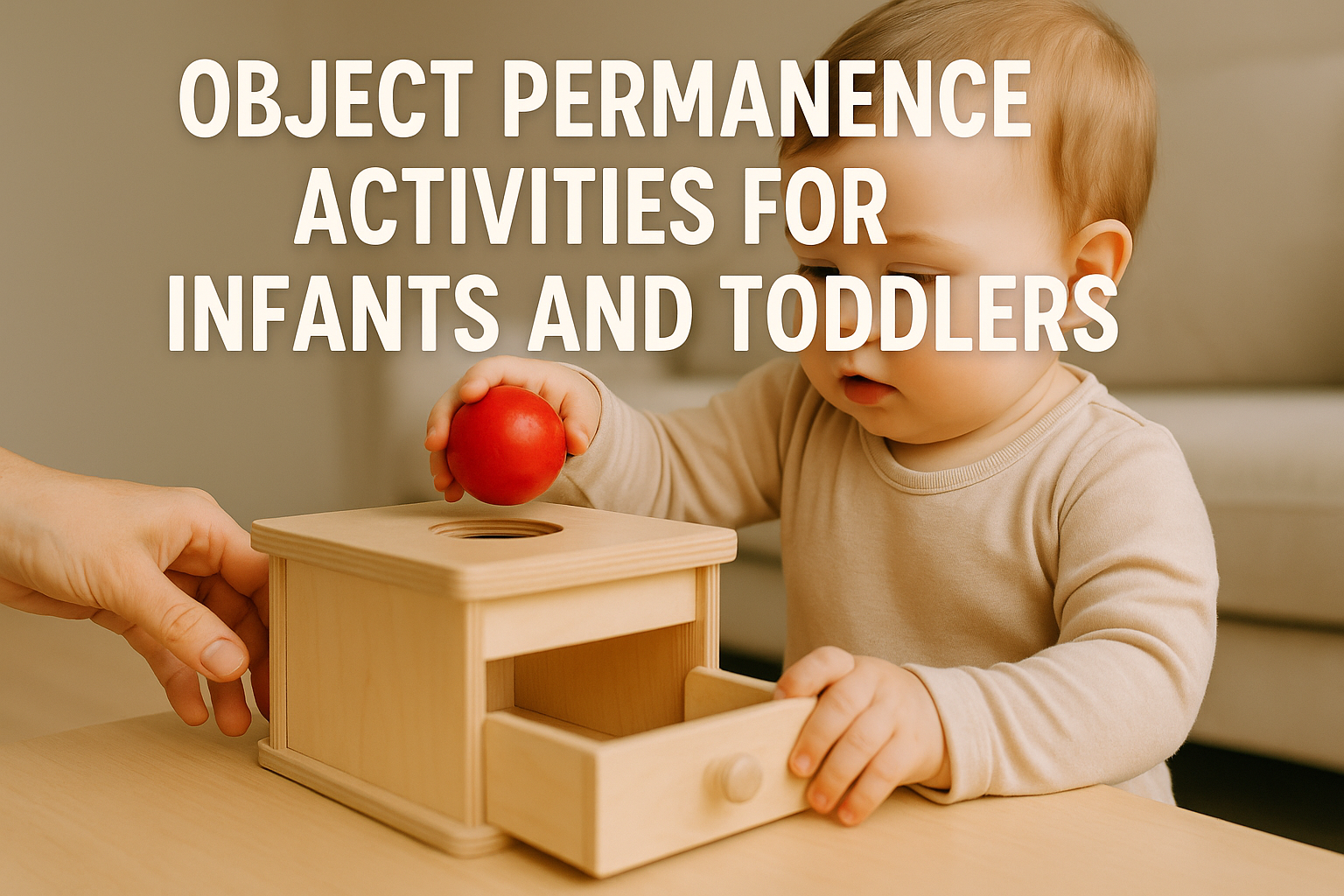
Using a box or a container, show your child a toy and then place it inside the box, closing the lid. Encourage them to open the box to retrieve the toy. Over time, you can start to partially conceal the toy with a cloth before it goes into the box. This gradual skill-building approach will help your child feel more confident in searching for objects.
5. Under the Cup
For this activity, you’ll need three cups and a small ball or toy. Show your child the toy, then place it under one of the cups while they watch. Shuffle the cups around and ask them to find the toy. This simple game reinforces the idea that even if they can’t see the toy, it’s still there, waiting to be found. You can make it more challenging by adding more cups or hiding the toy under the cups without the child watching.
6. The Blanket Trick
Take a blanket or scarf and hide a toy under it while your child watches. Ask them where the toy went and encourage them to lift the blanket to find it. This simple action reinforces the concept of object permanence. As your child becomes more adept at this activity, you can hide multiple toys under separate blankets, prompting them to search and find each one.
7. Interactive Books
Books designed for young children often incorporate flaps or hidden areas. Choose a book that features this interactive element, allowing your child to lift flaps to reveal surprises. This activity enhances their understanding of object permanence while also promoting a love for reading. Books like “Where’s Spot?” are excellent choices, as they engage children with both visuals and tactile elements.
8. The Magic Trick
Use a simple magic trick where you make a toy ‘disappear’ in front of your child’s eyes. For instance, you can use a scarf and pretend to hide a toy within it, then dramatically show it empty. Afterward, reveal the toy from a different location. This activity not only captivates their attention but also sparks their desire to understand how things work and where they go. For more on this, see games for brain development.
Signs Your Child is Ready for Object Permanence Activities
Recognizing when your infant or toddler is ready to engage in object permanence activities can enhance their learning experience. Here are a few signs to watch for:
- They show curiosity when an object is hidden from view.
- They begin to search for toys that are out of sight.
- They engage in games like peek-a-boo or hide-and-seek with enthusiasm.
- They exhibit frustration when they cannot find a toy.
If you observe these behaviors, it might be a great time to introduce some of the activities outlined above.
Incorporating Object Permanence Activities into Daily Routines
Integrating object permanence activities into daily routines can make learning feel like a natural part of your child’s day. Here are a few practical suggestions: (See: NIH article on cognitive development.)
- Mealtimes: Hide a favorite utensil or cup before meals to encourage them to search for it.
- Playtime: Use toys that can be hidden and revealed to create spontaneous object permanence learning moments.
- Bath Time: Use floating toys, hiding them under the water and encouraging your child to find them.
- Outdoor Play: Play games in the yard where you can hide toys in bushes or behind trees.
By making these activities a routine part of your interactions, you’ll foster a richer learning environment and help your child develop critical thinking skills.
Current Relevance and Future Implications
Understanding object permanence is not just a milestone but a critical aspect of cognitive development that has implications for future learning. As children grasp the idea that objects and people exist beyond their immediate perception, they start to form deeper social connections and enhance their emotional intelligence. With the rise of technology and digital play, it’s essential to incorporate these foundational skills into screen time as well. Many apps now offer interactive games that reinforce object permanence concepts, providing another layer of engagement.
As parents, caregivers, and educators, encouraging play that builds on these cognitive skills will set a strong foundation for your child’s future learning. The more varied the experiences, the more likely children will develop a robust understanding of the world around them, preparing them for the complexities of later life.
Expert Perspectives on Object Permanence
Experts in early childhood development emphasize the long-term importance of object permanence. Dr. Maria Montessori advocated for hands-on learning experiences that promote active exploration. She believed that when children engage with their environment, they not only learn about permanence but also develop independence. Cognitive development specialists suggest incorporating a variety of sensory experiences to deepen understanding. For example, using different textures and sounds can reinforce the notion that objects have attributes beyond sight.
Studies show that the ability to understand object permanence correlates with later academic performance. According to research published in the journal Child Development, children who develop this skill early on tend to excel in problem-solving tasks later in school. This highlights the importance of providing stimulating activities that nurture cognitive growth during infancy and toddlerhood.
Object Permanence Activities: Frequently Asked Questions
What age should I start object permanence activities with my child?
Most children start developing object permanence between 4 to 7 months. You can introduce simple activities like peek-a-boo around this age, gradually increasing complexity as they show readiness.
Can object permanence activities be beneficial for older children?
Absolutely! While the foundational understanding starts in infancy, older children can benefit from more complex versions of these activities. For example, you can adapt treasure hunts to include riddles or develop intricate games that require strategic thinking and problem-solving skills.
Aren’t these activities just games? How do they support learning?
While these activities may feel like mere play, they are crucial for cognitive development. Games like hide-and-seek or treasure hunts foster curiosity, memory, and problem-solving skills—all of which are essential for a child’s overall development.
How can I tell if my child is understanding object permanence?
Look for signs such as your child actively searching for hidden objects rather than giving up or showing curiosity when something goes out of view. They may also demonstrate anticipation during games where they expect something to appear or reappear.
Are there any resources to help with object permanence activities?
Yes! Many children’s books, educational toys, and online resources focus on object permanence. Look for interactive toys that hide and reveal objects, as well as apps designed for early learners that include activities reinforcing this concept.
In summary, object permanence is an essential cognitive milestone that can be nurtured through engaging and fun activities. By incorporating simple games and routines into your child’s life, you can foster their natural curiosity and help them grow into confident, inquisitive learners. Whether through traditional games like peek-a-boo or creative treasure hunts, the journey toward understanding that objects exist beyond their immediate view is both enriching and rewarding.
“`
Trending Now
Frequently Asked Questions
What is object permanence in infants?
Object permanence is the understanding that objects continue to exist even when they cannot be seen. This cognitive milestone typically develops between 4 to 7 months of age and is essential for more complex thought processes.
Why is object permanence important for toddlers?
Object permanence is crucial as it enhances memory skills, fosters problem-solving abilities, aids emotional development, and encourages social interaction. It helps children build trust and emotional security by recognizing that people and objects exist even when out of sight.
At what age do babies develop object permanence?
Babies generally begin to develop object permanence between 4 to 7 months of age. This ability is a key milestone in their cognitive development, influencing how they interact with the world around them. activities for hand-eye coordination offers useful background here.
What activities can help develop object permanence?
Activities that can help develop object permanence include hiding toys under blankets, playing peek-a-boo, and using containers to hide objects. These engaging tasks encourage infants and toddlers to search for and recognize the existence of hidden items.
How can I tell if my child understands object permanence?
You can tell if your child understands object permanence if they actively search for a toy that has been hidden or if they show surprise when an object reappears. This behavior indicates they recognize that the object still exists, even when not visible.
What did we miss? Let us know in the comments and join the conversation.



