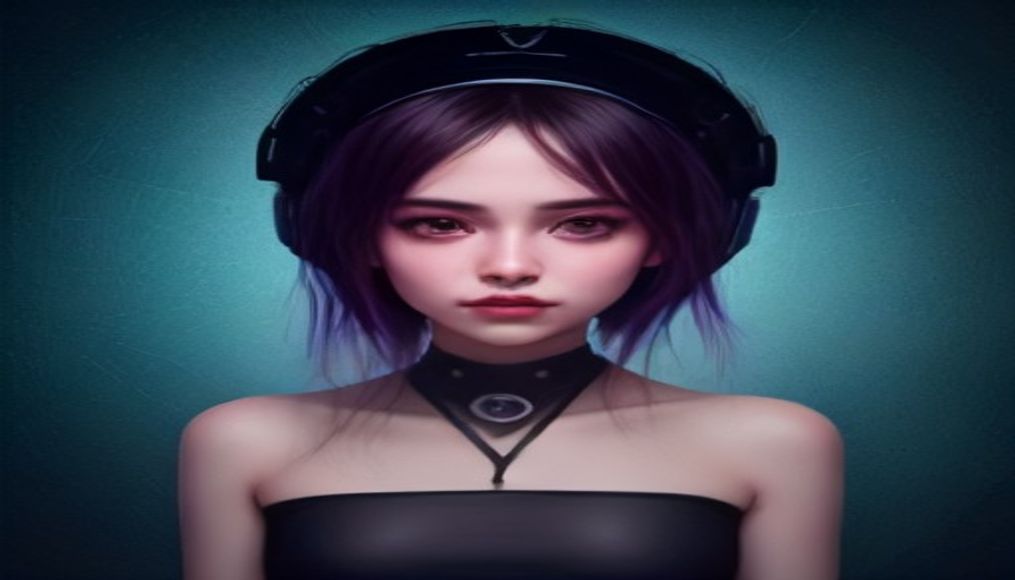

It feels like every other week, there’s a new digital threat popping up, doesn’t it? But this one hits a little differently. We’re talking about a sophisticated new scam that leverages the cutting-edge, yet terrifying, capabilities of AI deepfakes to impersonate legitimate OnlyFans creators. It’s not just about losing a few bucks; it’s about a deeply personal violation that preys on trust, celebrity, and the very human desire for connection. This isn’t some low-tech phishing attempt; this is a high-stakes, technologically advanced ‘catfishing’ operation that’s leaving a trail of financial devastation and reputational damage. The “AI deepfakes OnlyFans scam” is a phrase you’re going to hear a lot more often, and for good reason: it’s insidious, effective, and alarmingly easy to fall for if you’re not aware.
Imagine thinking you’re about to engage in a private, intimate live chat with your favorite OnlyFans creator, someone you admire and support. You’ve followed their content, maybe even exchanged a few messages. Now, you’re being asked for a direct payment for a special, exclusive experience. Sounds exciting, right? But here’s the brutal twist: the person on the other end isn’t who you think they are. They’re a scammer, armed with incredibly realistic AI-generated images, videos, and even voices, meticulously crafted to mimic the real creator. They’ve constructed an elaborate digital persona, designed to extract money from unsuspecting fans, and then vanish into thin air. It’s a chilling reminder of how quickly our digital landscape is evolving, and not always for the better.
The implications of this kind of fraud stretch far beyond individual financial loss. It erodes trust in online platforms, damages the livelihoods of genuine creators, and highlights a gaping vulnerability in our digital security. As AI technology becomes more accessible and powerful, the line between reality and simulation blurs, making it increasingly difficult for the average person to discern what’s real and what’s a meticulously crafted deception. This article will pull back the curtain on how this scam works, why it’s so effective, and what you – whether you’re a fan, a creator, or just a concerned digital citizen – can do to protect yourself and others from this alarming new threat.
The Anatomy of an AI Deepfakes OnlyFans Scam
To understand the danger, you first need to understand the mechanics. This isn’t just a simple trick; it’s a multi-platform, multi-stage operation that leverages popular social media channels and payment systems to maximize its reach and untraceability. The scammers are surprisingly adept at social engineering, combining human manipulation with cutting-edge AI tools to create a seamless, convincing illusion. It’s a masterclass in modern digital deception, really.
The initial phase often kicks off on platforms like TikTok. Why TikTok? Because it’s a massive discovery engine, a place where genuine OnlyFans creators often promote their content and engage with a vast audience. Scammers will create fake profiles, sometimes mirroring the real creator’s branding, or simply posing as an enthusiastic fan who has ‘inside access.’ They’ll post short, enticing clips or images, often subtly hinting at exclusive content or direct interactions. Their goal here isn’t to ask for money immediately, but to establish a connection, build a semblance of trust, and funnel potential victims off the public platform.
Once they’ve hooked a target, the conversation quickly moves to a more private, direct messaging app – typically Snapchat. Snapchat’s appeal for scammers is obvious: its ephemeral nature. Messages and media disappear, leaving little to no trace, which is perfect for covering tracks. Here, the AI deepfakes come into play. The scammer will start sending what appear to be personalized messages, photos, and even short video clips that seem to be directly from the OnlyFans creator. These aren’t just stolen images; these are often AI-generated deepfakes, crafted to mimic the creator’s appearance, mannerisms, and even voice. Imagine seeing a video of your favorite creator, seemingly talking directly to you, inviting you to a private chat for a special fee. The realism can be astonishingly convincing, making it incredibly difficult for a fan, caught up in the excitement, to spot the deception.
The Role of AI Deepfakes in Deception
The ‘deepfake’ aspect is truly the game-changer here. For years, catfishing involved using stolen photos or carefully curated fake profiles. Now, AI takes it to a terrifying new level. Deepfake technology allows for the creation of synthetic media – images, audio, and video – that appear genuinely authentic. This isn’t just about swapping faces; it’s about synthesizing entirely new content that replicates a person’s likeness, voice, and even their unique speech patterns. You’re not just looking at a static image; you could be watching a video that perfectly animates the creator’s face, or listening to an audio clip that sounds uncannily like their voice, all generated by an algorithm.
This level of sophistication is what makes the AI deepfakes OnlyFans scam so insidious. It taps into our inherent trust in what we see and hear. When a fan sees a video that looks and sounds exactly like the creator they follow, their guard is naturally lowered. The emotional connection they feel with the real creator is exploited, making them more susceptible to the scammer’s pleas for money. It’s a psychological attack as much as it is a technological one, leveraging the parasocial relationships many fans develop with online personalities. (See: impact of technology on health.)
Cash App: The Scammer’s Preferred Exit Strategy
After the emotional groundwork has been laid and the victim is convinced they’re interacting with the real creator, the conversation inevitably turns to money. And this is where Cash App, or similar instant payment platforms, becomes the scammer’s tool of choice. Why Cash App? Simplicity, speed, and perhaps most importantly for the scammer, untraceability.
Scammers will request payment for an ‘exclusive’ live chat, a ‘private’ video call, or ‘special’ content that can only be accessed by sending money directly through Cash App. The appeal is the promise of instant gratification – pay now, chat now. But once the money is sent, it’s gone. Cash App transactions are notoriously difficult to reverse, especially when dealing with a scammer who has no intention of fulfilling their end of the bargain. The funds are instantly transferred, often to accounts that are quickly emptied or linked to burner phones and fake identities, allowing the scammer to disappear almost immediately after receiving payment.
This rapid payment-and-disappearance strategy is crucial to the scam’s success. It minimizes the window of opportunity for the victim to realize they’ve been duped and attempt to reclaim their money. By the time suspicion sets in, the scammer is long gone, having moved on to their next target. The seamless integration of these platforms – TikTok for discovery, Snapchat for deepfake-powered interaction, and Cash App for untraceable payment – creates a highly effective, albeit deeply unethical, funnel for fraud.
The Devastating Impact on Victims and Creators
The fallout from an AI deepfakes OnlyFans scam is multi-layered, affecting both the unsuspecting fans who fall victim and the real OnlyFans creators whose identities are hijacked. It’s a double blow that leaves significant emotional, financial, and reputational damage in its wake.
For the fans, the primary impact is, of course, financial loss. While the amounts might vary, even small sums add up, and some victims may be coerced into sending substantial amounts of money. Beyond the monetary aspect, there’s a profound sense of betrayal and embarrassment. Imagine thinking you’ve built a personal connection with someone you admire, only to discover it was all a meticulously crafted lie. This can lead to feelings of shame, anger, and a deep distrust of online interactions, making victims wary of engaging with legitimate creators in the future. It’s a violation of trust that can have lasting psychological effects.
Then there are the real OnlyFans creators. Their reputation, livelihood, and sense of security are all at stake. When scammers impersonate them, fans who have been defrauded often direct their anger and frustration at the legitimate creator. This can lead to accusations, negative comments, and a general erosion of trust within their community. Creators might see a drop in subscriptions and income as fans become more hesitant to engage or pay for content, fearing they might be scammed again. Furthermore, the very existence of deepfake impersonations can be deeply unsettling and feel like an invasion of privacy. Their image and voice are being used without their consent, for illicit purposes, making them feel powerless and vulnerable in the digital space they rely on for their income.
Why This AI Deepfakes OnlyFans Scam is Going Viral
It’s not hard to see why this particular type of scam is capturing so much attention and, frankly, generating a lot of outrage. It hits on several key nerves that resonate deeply in our current digital landscape. The combination of advanced AI technology, the personal nature of the impersonation, and the financial exploitation creates a perfect storm for public discourse and concern.
First, there’s the ‘shocking’ factor of AI itself. We’re constantly hearing about the incredible capabilities of artificial intelligence, from generating realistic images to writing compelling text. But when these powerful tools are turned to malicious ends, it creates a sense of alarm. The idea that an AI can create a fake version of a real person so convincingly that even their dedicated fans can’t tell the difference is genuinely unsettling. It makes people question what’s real and what’s fake in an increasingly digital world, a fundamental concern for anyone who spends time online. (See: deepfakes and online scams.)
Secondly, the emotional impact is significant. As mentioned, this isn’t just about abstract fraud; it’s about targeting individuals who have often formed a parasocial bond with online creators. The betrayal is personal, and the feeling of being duped by someone you admire is a powerful motivator for sharing stories and warnings. People naturally empathize with both the scammed fans and the impersonated creators, fueling the spread of information and calls for awareness.
Finally, the rapid evolution of this threat makes it highly newsworthy. It’s a fresh example of how criminals are adapting quickly to new technologies, always seeking the next vulnerability. This provides a constant stream of new angles for discussion, from cybersecurity experts warning about the dangers of deepfakes to legal professionals discussing the challenges of prosecuting such crimes across borders. It’s a dynamic and evolving problem, ensuring its continued presence in headlines and online discussions.
Protecting Yourself: Strategies Against the AI Deepfakes OnlyFans Scam
Given the sophistication of this AI deepfakes OnlyFans scam, how can you protect yourself? It requires a combination of vigilance, skepticism, and adherence to best practices for online safety. There’s no single magic bullet, but by being aware of the red flags and taking proactive steps, you can significantly reduce your risk.
1. Verify the Source: This is arguably the most crucial step. If a creator contacts you on a platform other than their primary verified channels (like their official OnlyFans page or a linked, verified Instagram account), be extremely suspicious. Real creators will almost always direct you back to their official platforms for transactions or private chats. If someone claiming to be a creator asks you to move to Snapchat or Telegram for a ‘private’ interaction, consider it a major red flag.
2. Be Wary of Off-Platform Payment Requests: Legitimate OnlyFans creators conduct all their transactions through the OnlyFans platform itself. They will never ask you to send money directly via Cash App, PayPal, Venmo, or any other third-party payment service for exclusive content or live chats. If you’re asked to pay outside the official platform, it’s almost certainly a scam. Period.
3. Scrutinize Communication: While AI deepfakes are getting good, they’re not perfect. Pay close attention to subtle inconsistencies in language, tone, or visual cues. Does the ‘creator’s’ grammar suddenly seem off? Do their responses feel generic or oddly phrased? In video calls, are there strange glitches, unnatural movements, or poor lighting that might suggest a synthetic image? Trust your gut. If something feels even slightly ‘off,’ it probably is.
4. Understand How Deepfakes Work: A little knowledge can go a long way. Deepfakes often struggle with subtle human expressions, rapid head movements, or inconsistencies in lighting and shadows. If you’re on a video call, ask the person to perform a specific, spontaneous action, like touching their ear or waving in a particular way. Deepfakes often have difficulty with these impromptu requests, revealing their artificial nature. This builds on digital security for students.
5. Guard Your Personal Information: Never share sensitive personal details with someone you’ve only met online, especially if you haven’t thoroughly verified their identity. This includes your full name, address, phone number, or any financial information beyond what’s absolutely necessary for a legitimate transaction on a secure platform. (See: technology's effect on mental health.)
6. Report Suspicious Activity: If you encounter a profile or message that you suspect is part of an AI deepfakes OnlyFans scam, report it immediately to the platform it originated from (TikTok, Snapchat, etc.). Reporting helps protect others and provides valuable data for cybersecurity experts to track and combat these evolving threats. If you’ve been a victim, report it to your bank and local law enforcement.
The Broader Implications and The Road Ahead
The AI deepfakes OnlyFans scam isn’t just a niche problem; it’s a canary in the coal mine for broader digital security challenges. As AI technology continues its breathtaking pace of development, the ability to generate hyper-realistic fake content will only improve, making detection even harder. This raises profound questions about identity, authenticity, and trust in the digital age.
We’re entering an era where ‘seeing is believing’ can no longer be taken for granted. This necessitates a fundamental shift in how we approach online interactions. Platforms themselves have a huge responsibility here – to develop more robust verification processes, to implement advanced AI detection technologies, and to respond swiftly to reports of impersonation and fraud. Regulators and lawmakers also need to catch up, creating legal frameworks that address the unique challenges posed by deepfake technology and provide avenues for recourse for victims.
For individual users, it means cultivating a healthy dose of skepticism and prioritizing digital literacy. We need to educate ourselves and those around us about these emerging threats. The conversation around AI ethics, responsible AI development, and the potential for misuse needs to become mainstream, not just confined to tech circles. The AI deepfakes OnlyFans scam is a stark reminder that while technology offers incredible opportunities, it also opens doors to unprecedented forms of deception. Staying informed, exercising caution, and advocating for stronger protections are our best defenses in this rapidly evolving digital frontier.
The fight against deepfake fraud is going to be an ongoing one. It requires constant vigilance from individuals, proactive measures from tech companies, and thoughtful responses from policymakers. But by understanding the threat and arming ourselves with knowledge, we can collectively push back against those who seek to exploit trust and technology for nefarious gains. Don’t let the allure of a ‘private chat’ blind you to the very real dangers lurking in the digital shadows.
Trending Now
- Unleash Your Potential: A Remote Sales Opportunity with Creative Force and World-Class Sales Training
- read the full story
- our breakdown of this game-changing law lets you instantly erase your data from hundreds of brokers
- our breakdown of california’s delete act: your data’s new secret weapon for privacy compliance 2026
- read the full story
Frequently Asked Questions
What is the AI deepfakes OnlyFans scam?
The AI deepfakes OnlyFans scam involves criminals using advanced AI technology to create realistic images and videos that impersonate legitimate OnlyFans creators. Victims are lured into paying for exclusive content, believing they are interacting with the real creator, when in fact, they are being scammed.
How do AI deepfake scams work?
AI deepfake scams work by using sophisticated algorithms to generate convincing fake videos and images of popular personalities. Scammers create a false persona to engage with fans, often asking for direct payments for private chats or content, leading to financial loss and emotional distress.
What should I do if I encounter an OnlyFans scam?
If you encounter an OnlyFans scam, it's crucial to report the account to the platform immediately. Additionally, avoid engaging with the scammer, protect your personal information, and consider alerting your bank or credit card company if you've made any payments.
How can I protect myself from deepfake scams?
To protect yourself from deepfake scams, be skeptical of unsolicited messages, verify the identity of creators through official channels, and avoid making payments for exclusive content without confirmation. Stay informed about the latest scams and educate yourself on recognizing deepfake technology.
What are the risks of deepfake technology?
The risks of deepfake technology include financial fraud, reputational damage to individuals, and a general erosion of trust in online interactions. As deepfakes become more prevalent, they pose significant threats not only to individuals but also to the integrity of digital platforms.
Have you experienced this yourself? We'd love to hear your story in the comments.