
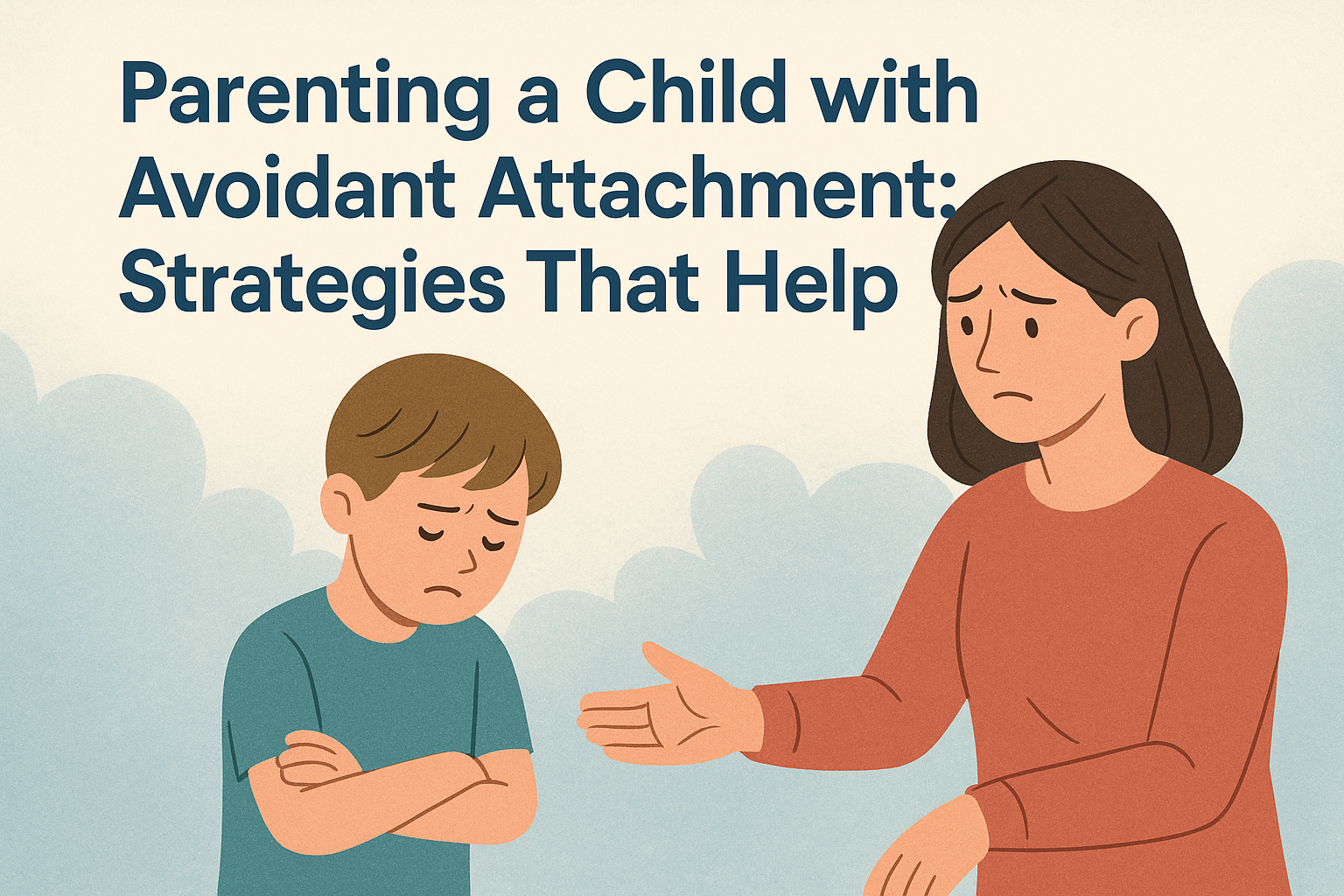

“`html
When it comes to understanding the emotional landscape of children, attachment theory plays a crucial role. Among the various attachment styles, avoidant attachment can present unique challenges for parents and caregivers. Children with avoidant attachment often struggle with closeness and may seem emotionally distant. This article explores effective avoidant attachment parenting strategies that can help bridge the emotional gap and foster healthier relationships.
Understanding Avoidant Attachment
Avoidant attachment typically develops in early childhood, often as a response to caregivers who are emotionally unavailable or inconsistent in their responses to the child’s needs. According to psychologist Mary Ainsworth, who conducted the famous “Strange Situation” experiment, avoidant attachment is characterized by a child’s reluctance to seek comfort from caregivers and a tendency to prefer solitude over connection.
Children with this attachment style may come off as self-sufficient and independent. However, this independence can mask deeper feelings of insecurity and anxiety about relationships. Understanding the roots of your child’s behavior is the first step toward implementing effective avoidant attachment parenting strategies. Recognizing that their avoidant tendencies stem from learned behaviors rather than a lack of need for attachment can empower you to address these challenges with empathy and compassion.
The Importance of Consistency
One of the most critical aspects of parenting a child with avoidant attachment is the need for consistency. Children thrive on stability, and when caregivers are consistent in their responses, it lays a foundation of trust. Here are ways to promote consistency: There’s a fuller look at understanding avoidant attachment.
- Establish Routines: Daily routines provide a sense of predictability. Regular meal times, bedtime rituals, and family activities create a structured environment where the child can feel safe.
- Be Emotionally Available: Make a conscious effort to be emotionally present. This means not just being physically there but also actively engaging with your child. Use open body language and maintain eye contact to convey your availability.
- Follow Through on Promises: If you say you will do something, whether it’s attending a school event or reading a book together, make sure to follow through. This builds trust and shows your child they can rely on you.
Consistency helps reduce anxiety in avoidantly attached children, making it easier for them to open up and trust you over time.
Encouraging Emotional Expression
Children with avoidant attachment often struggle with expressing their emotions. They may suppress feelings or exhibit outward signs of discomfort when confronted with emotional situations. As a parent, it’s essential to help them navigate their emotional landscape:
- Model Emotional Expression: Children learn by example, so openly express your feelings in a healthy manner. Share your emotions during conversations, whether you’re feeling happy, sad, or frustrated. This shows them that it’s okay to talk about feelings.
- Create a Safe Space for Emotions: Encourage your child to share their feelings without fear of judgment. Create an atmosphere where emotions are accepted and validated. Phrases like “It’s okay to feel sad” or “I understand that this is frustrating” can go a long way.
- Use Play Therapy: Engaging in play can be a powerful way to help children express emotions. Through role-play or storytelling, children can project their feelings onto characters, making it easier for them to articulate their own experiences.
Helping your child recognize and express their emotions is one of the most effective avoidant attachment parenting strategies you can implement. (See: Attachment theory overview.)
Building Trust Through Communication
Effective communication is vital for fostering trust in any relationship, particularly with a child who has an avoidant attachment style. Here are some communication techniques that can help:
- Ask Open-Ended Questions: Instead of yes-or-no questions, ask questions that require more thought and encourage dialogue. For example, instead of asking, “Did you have a good day?” try, “What was the best part of your day?” This can help your child feel more comfortable sharing their experiences.
- Listen Actively: When your child speaks, give them your full attention. Show that you value their thoughts and feelings by paraphrasing what they say and asking follow-up questions.
- Be Patient: Avoidant children may take longer to formulate their thoughts and express them. Practice patience and avoid interrupting. Your willingness to wait can help them feel more secure in sharing.
Through sincere communication, parents can slowly dismantle the barriers set by avoidant attachment, allowing for deeper connections.
Encouraging Independence While Providing Support
While children with avoidant attachment often push away from closeness, it’s essential to encourage a healthy level of independence without making them feel abandoned. Striking this balance can be challenging but rewarding:
- Foster Problem-Solving Skills: Encourage your child to tackle challenges independently. Offer guidance rather than solutions, which empowers them to think critically and build confidence in their abilities.
- Celebrate Achievements: Recognize and celebrate even small achievements, as this reinforces their sense of independence. Positive reinforcement can motivate them to take more initiative in their tasks.
- Be There When Needed: Let your child know that you are available for support if they need it. Assure them that while you encourage independence, you’re always there to lend a helping hand.
This approach allows avoidantly attached children to cultivate autonomy while feeling secure in their relationship with you.
Seeking Professional Guidance
In some cases, implementing avoidant attachment parenting strategies may require additional support, especially if challenges persist. Seeking professional help can provide valuable insights and tailored strategies:
- Therapy for Parents and Children: Family therapy can be beneficial for both parents and children. A therapist can provide guidance on communication strategies, emotional regulation, and building trust.
- Support Groups: Connecting with other parents facing similar challenges can be incredibly helpful. Support groups create a community of shared experiences and resources.
- Educational Resources: Books, articles, and workshops on attachment theory can provide additional tools and knowledge to navigate your parenting journey. Educating yourself can empower you to make informed decisions.
Professional support can be a game-changer, giving you the knowledge and tools to improve your relationship with your child.
Creating an Environment of Safety and Security
Lastly, creating a safe and secure environment is paramount for children with avoidant attachment. Here are ways to foster that sense of safety:
- Minimize Stressful Situations: Be mindful of your child’s stress levels. Limiting exposure to chaotic environments can help them feel more secure.
- Foster a Routine: Consistent daily routines can create a sense of predictability, which is crucial for avoidantly attached children. Routines can include regular meal times, homework hours, and family time.
- Reassure Your Presence: Regularly remind your child that you are there for them, even if they seem distant. Simple affirmations can help reinforce their sense of security.
By establishing a nurturing and secure atmosphere, you can help your child feel safe enough to explore their emotions and relationships. (See: CDC on parenting and mental health.)
Understanding Your Own Reactions
As a parent, it’s essential to be aware of your own emotional responses to your child’s avoidant behavior. Often, parents can feel rejected when their child pushes them away, leading to frustration or feelings of inadequacy. This is natural but can hinder your ability to implement avoidant attachment parenting strategies.
Recognizing your emotions allows you to respond more constructively. Consider keeping a journal of your feelings and responses when your child exhibits avoidant behavior. Reflecting on these moments can help you identify patterns and triggers, equipping you to handle situations with greater calmness and understanding.
When Avoidant Attachment Becomes a Challenge in School
Avoidant attachment can affect a child’s experience at school, often manifesting in reluctance to participate in group activities or difficulty forming friendships. Here are some strategies to consider:
- Communicate with Teachers: Keeping an open line of communication with your child’s teachers can help you understand how your child behaves in a school environment. This partnership allows for tailored approaches that can help your child feel more secure and engaged.
- Encourage Social Skills Development: Role-playing different social scenarios at home can prepare your child for interactions with peers. Practicing how to initiate conversations or join group activities can build their confidence.
- Utilize School Resources: Many schools have counseling services or programs aimed at helping children develop social skills. Don’t hesitate to use these resources to support your child.
By addressing the challenges of avoidant attachment in school, you can help your child navigate their social world more effectively.
Building Resilience and Coping Mechanisms
As children with avoidant attachment grow, developing resilience becomes crucial. Here are ways to help your child build coping mechanisms:
- Teach Problem-Solving Techniques: Encourage your child to brainstorm solutions for challenges they face rather than avoiding them. This builds confidence and equips them with tools for future situations.
- Practice Mindfulness: Introduce mindfulness exercises to help your child manage anxiety and stress. Simple techniques like deep breathing or guided imagery can provide them with resources to calm themselves during overwhelming situations.
- Encourage Journaling: Writing about their thoughts and feelings can be a powerful way for your child to process their emotions. Journaling can help them articulate what they struggle to express verbally.
Fostering resilience will not only aid in their emotional development but also help them face life’s challenges with confidence.
FAQs About Avoidant Attachment Parenting Strategies
What are the signs of avoidant attachment in children?
Signs of avoidant attachment include reluctance to seek comfort from caregivers, difficulty expressing emotions, a preference for solitude, and seeming overly self-sufficient. These children might also avoid eye contact or engage less in physical affection. (See: NIH on causes of attachment issues.)
How can I tell if my parenting strategies are working?
Look for gradual changes in your child’s behavior. Signs of progress may include increased willingness to share feelings, seeking comfort from you during distress, or showing interest in engaging in activities together. A shift toward more emotional openness is a positive indicator.
Is it necessary to seek therapy for my child?
While not all children with avoidant attachment require therapy, it can be beneficial if you notice consistent challenges in communication or emotional regulation. A therapist can offer individualized strategies and support tailored to your child’s needs.
Can avoidant attachment be changed?
Yes, while attachment styles can be deeply ingrained, they can change over time, especially with supportive relationships and intentional parenting strategies. Focused interventions can help children develop a more secure attachment style.
Are there any resources to help me learn more about attachment theory?
Absolutely! Books like “The Body Keeps the Score” by Bessel van der Kolk or “Attached” by Amir Levine and Rachel Heller provide valuable insights into attachment theory. Additionally, many parenting websites and forums discuss attachment strategies and share personal experiences.
Parenting a child with avoidant attachment can be a complex journey, but with the right strategies and support, it’s possible to cultivate a rich and fulfilling relationship. By implementing these avoidant attachment parenting strategies, you can promote emotional openness and trust, laying the groundwork for a healthier emotional life for your child.
“`
Trending Now
Frequently Asked Questions
What are the signs of avoidant attachment in children?
Children with avoidant attachment often show reluctance to seek comfort from caregivers, prefer solitude over connection, and may appear emotionally distant or self-sufficient. They might avoid physical affection and struggle with expressing their emotions, masking deeper feelings of insecurity. Related reading: strategies for avoidant children.
How can I help my child with avoidant attachment?
To support a child with avoidant attachment, establish consistent routines, be emotionally available, and create a safe environment. Engaging in regular family activities and showing empathy can help bridge the emotional gap and foster healthier relationships.
What causes avoidant attachment in children?
Avoidant attachment typically develops from early childhood experiences with caregivers who are emotionally unavailable or inconsistent in meeting the child's needs. This can lead to learned behaviors that promote emotional distance and reluctance to seek comfort.
Can avoidant attachment be changed?
Yes, avoidant attachment can be addressed and changed through consistent and empathetic parenting practices. By providing stability, emotional support, and understanding, caregivers can help their children develop healthier attachment styles over time.
What role does consistency play in parenting a child with avoidant attachment?
Consistency is crucial for children with avoidant attachment as it fosters trust and security. Establishing routines and being emotionally available helps children feel safe, encouraging them to gradually open up and engage more with their caregivers.
What’s your take on this? Share your thoughts in the comments below — we read every one.



