
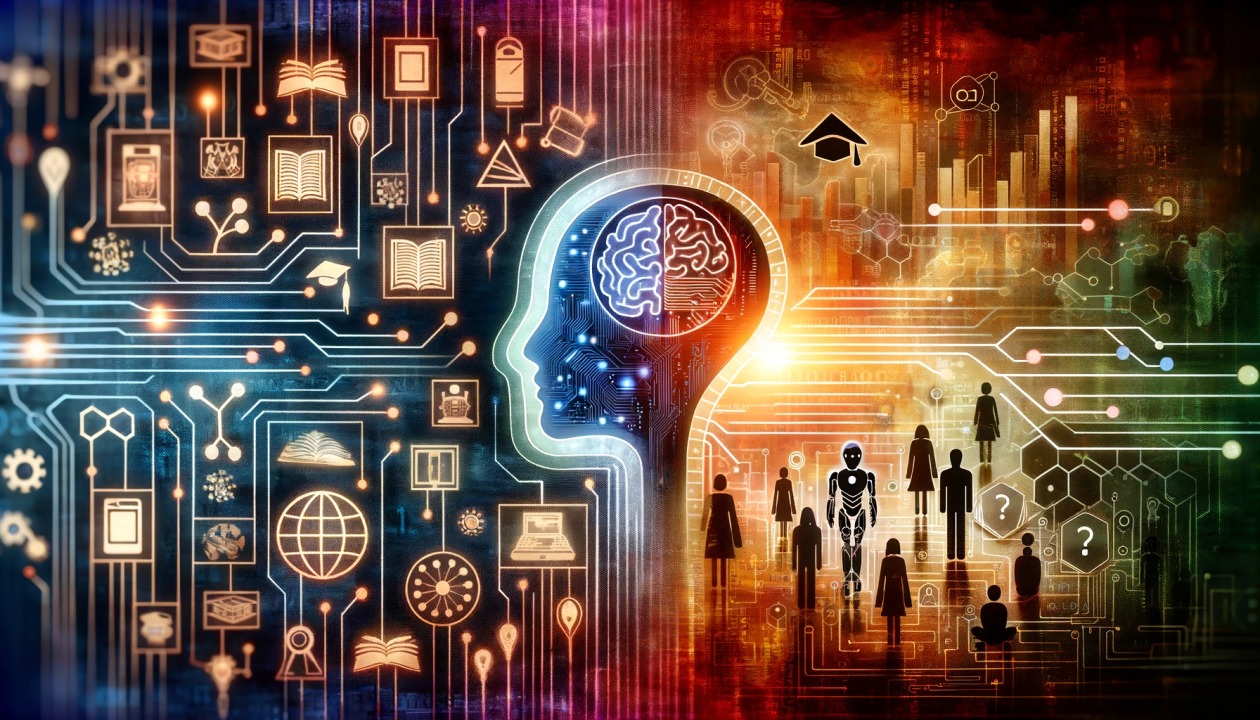

The year 2025 is witnessing a revolutionary shift towards personalized literature curricula, powered by sophisticated AI algorithms. This trend is transforming the one-size-fits-all approach to literature education into a tailored experience that caters to individual student interests, learning styles, and skill levels.
AI systems are now capable of analyzing a student’s reading history, comprehension levels, and personal interests to curate a unique reading list. This personalization ensures that each student is challenged appropriately and exposed to a diverse range of texts that resonate with their individual experiences and goals.
The AI doesn’t just select texts; it also adapts how they are presented. For visual learners, it might incorporate more graphic novels or illustrated editions. For auditory learners, it might suggest audiobooks or pair texts with related podcasts or music.
These personalized curricula are dynamic, constantly evolving based on the student’s progress and feedback. As a student’s skills improve or their interests shift, the AI adjusts recommendations accordingly, ensuring continuous engagement and growth.
Educators are using these AI tools to gain deeper insights into their students’ learning patterns and preferences. This data helps teachers provide more targeted support and design more effective group activities that complement individual learning journeys.
The trend extends to writing assignments as well. AI systems analyze a student’s writing style and strengths, suggesting topics and formats that will challenge and develop their skills most effectively.
While the core texts of a course might remain consistent, the supplementary materials and projects are increasingly personalized. This approach allows for a common ground of discussion while still catering to individual needs and interests.
As we progress through 2025, the personalization of literature curricula is proving to be a powerful tool for increasing student engagement and improving learning outcomes. It’s creating a more inclusive educational environment where every student has the opportunity to develop a deep, personal connection with literature.


