
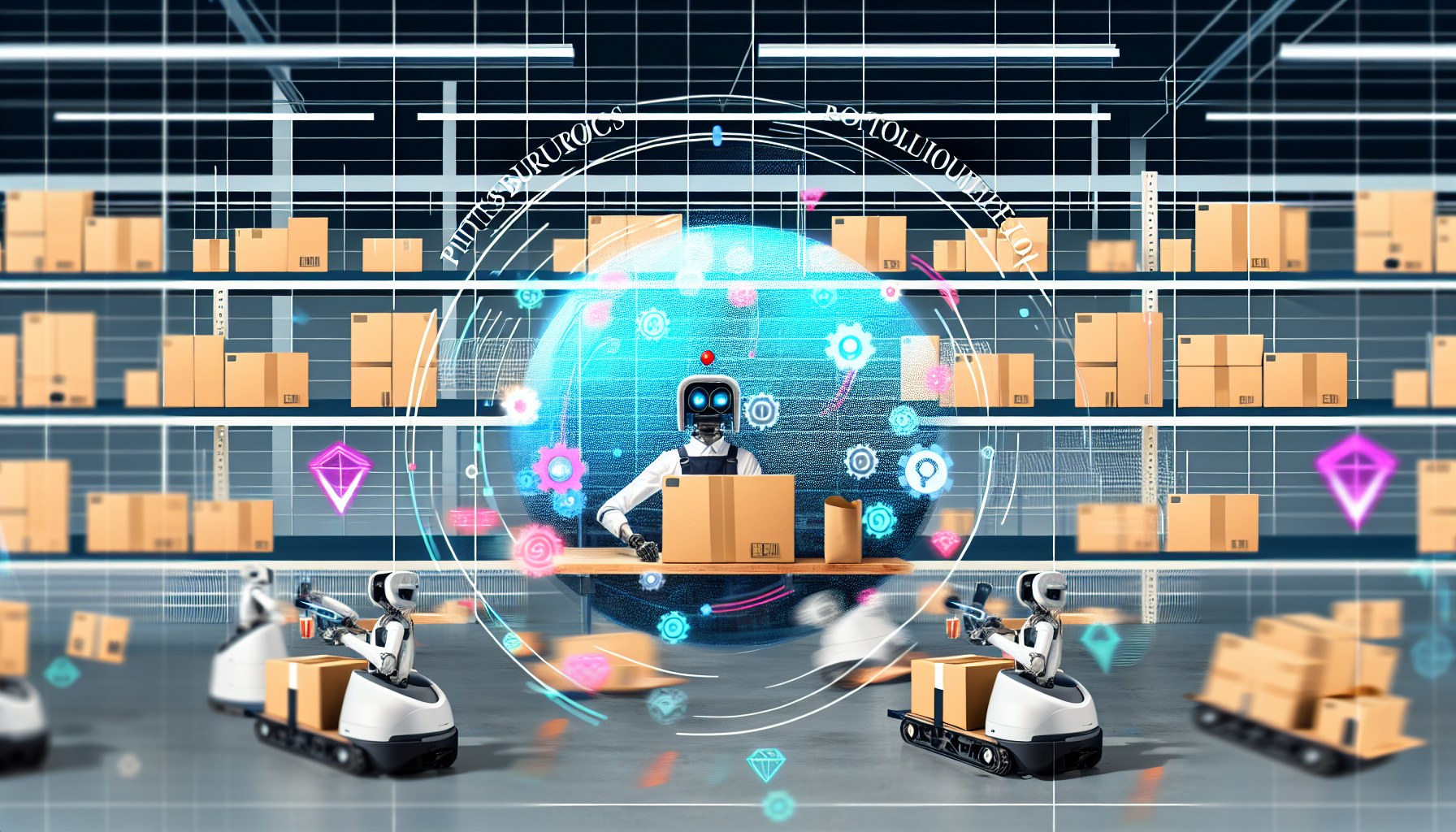

In a significant leap for warehouse automation, a Pittsburgh-based robotics startup has successfully deployed its autonomous warehouse management system at a major e-commerce company’s fulfillment center. This deployment marks a pivotal moment not only for the startup but also for the logistics and e-commerce industries, as it promises to enhance efficiency and reduce operational costs.
Transforming Warehouse Operations
The newly implemented system integrates cutting-edge mobile robots, computer vision, and artificial intelligence (AI) technologies. According to results from the pilot program, this innovative approach has boosted warehouse efficiency by 40% and decreased labor costs by 25%. Such improvements can have profound implications for e-commerce companies striving to streamline operations amid increasing demand.
A Vision for Expansion
This initial deployment is just the beginning. The startup has ambitious plans to expand its autonomous systems to 15 additional facilities over the next 18 months. This expansion is expected to further solidify the startup’s position in the rapidly evolving logistics landscape, as more companies seek to adopt automation to stay competitive.
Funding Boost to Fuel Growth
To support its growth trajectory, the startup has successfully raised $120 million in Series B funding. This significant investment underscores investor confidence in the company’s technology and its potential to transform warehouse operations. As e-commerce continues to grow, the demand for automation solutions is expected to rise, making this funding critical for scaling operations.
Driving Toward a Revenue Milestone
With the current momentum, the startup projects $500 million in annual recurring revenue by 2028. Such projections are indicative of the explosive growth potential that lies within the warehouse automation sector. As businesses increasingly turn to advanced technologies to meet consumer demands, the startup is well-positioned to capitalize on this trend.
The Role of Technology in Modern Warehousing
The integration of AI, robotics, and computer vision into warehouse operations is reshaping how products are stored, retrieved, and shipped. Here’s a closer look at the components of the startup’s autonomous system:
- Mobile Robots: These robots handle various tasks within the warehouse, from transporting goods to assisting with inventory management. Their ability to navigate autonomously allows for seamless operations.
- Computer Vision: This technology enables the robots to identify, track, and manage inventory accurately. It enhances real-time decision-making and improves overall operational efficiency.
- Artificial Intelligence: AI algorithms analyze vast amounts of data to optimize workflows, predict demand, and streamline processes, ultimately leading to significant cost savings.
The Impact on Labor and Workforce Dynamics
While the prospect of increased automation raises concerns about job displacement, the startup’s approach is designed to complement human workers rather than replace them. By automating repetitive and labor-intensive tasks, employees can focus on more strategic roles that leverage human skills, such as problem-solving and customer service.
Fostering a New Era of Collaboration
This shift towards automation fosters a new era of collaboration between humans and machines. As companies adopt these advanced systems, there is a growing need for workforce training and development to ensure that employees can effectively work alongside these technologies.
The Future of E-Commerce Fulfillment
The deployment of autonomous warehouse systems is part of a broader trend within the e-commerce sector, where efficiency and speed are paramount. As online shopping continues to gain traction, fulfillment centers must adapt to handle increased volumes while maintaining high levels of service.
Experts predict that the integration of robotics and automation will become standard practice in the industry. This shift not only enhances operational efficiency but also positions companies to better respond to consumer needs, such as faster shipping times and improved inventory management.
Challenges Ahead
Despite the promising outlook, the startup and its competitors face several challenges as they navigate this rapidly changing landscape. These challenges include:
- Scalability: As demand grows, ensuring that solutions can scale effectively without sacrificing performance will be crucial.
- Technology Integration: Integrating new technologies with existing systems can be complex and may require significant investment.
- Regulatory Considerations: As automation technologies evolve, staying compliant with regulations regarding labor and workplace safety will be essential.
Conclusion
The deployment of autonomous warehouse management systems by this Pittsburgh startup represents a significant milestone in the logistics and e-commerce industries. With plans for expansion, robust funding, and promising efficiency gains, the company is poised to play a crucial role in shaping the future of warehouse operations.
As businesses continue to embrace automation, this technology not only promises improved efficiency and reduced costs but also paves the way for a collaborative future where humans and robots work side by side to meet the ever-growing demands of consumers.






