
Introduction:
The safety and well-being of children should always be a priority. As parents, it is of utmost importance to teach our children about potential dangers they may encounter throughout their lives. One such danger that poses a significant risk is grooming, a manipulative technique used by predators to build trust and establish control over a child. By educating our children about problematic adult behavior, we can work together in preventing grooming and ensuring the safety of our young ones.
1. Understanding Grooming
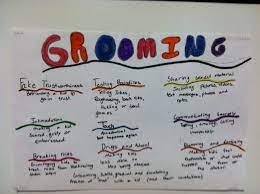
Grooming is a manipulative process used by predators to gain trust and control over an individual, often with the intention of committing sexual abuse or exploitation. The process can occur both online and offline, making it crucial for parents to educate their children about the warning signs and how they can protect themselves.
2. Maintaining Open Communication
Fostering open communication with your child about their day, their friends, and any concerns they have should be an essential part of daily conversations. Creating a safe and non-judgmental environment for your child to discuss any issues or questions will put them at ease in seeking guidance if they ever encounter suspicious behavior from an adult.
3. Teaching Personal Boundaries
Children must understand the importance of personal boundaries in order to feel confident enough in asserting themselves when uncomfortable situations arise. Educate them on what is considered appropriate touching or conversation with adults and instill a sense of self-assurance when it comes to speaking up if their boundaries are being crossed.
4. Encourage Safe Internet Usage
As technology progresses, children are spending more time online than ever before. While this offers numerous benefits for learning and entertainment, it also creates an opportunity for predators to exploit these platforms for grooming purposes. Encourage safe internet usage by setting parental controls on devices, teaching your child not to share personal information online, and monitoring their activity for any suspicious interactions.
5. Identifying Warning Signs
It is crucial for parents and children to be aware of the common warning signs that might indicate a person is attempting to groom them. Some red flags include:
– Excessive attention and flattery towards the child
– Inappropriate gifts or favors
– Attempts to isolate the child from friends or family
– Unnecessary physical touch or invasion of personal space
– Inappropriate communication, including discussing sexual topics
Educate your child on recognizing these signs and encourage them to immediately report such behavior to a trusted adult.
6. Encouraging Trust in Instincts
Sometimes, a child’s instincts can be their best defense against potential grooming tactics. Encourage them to trust their feelings when something doesn’t seem right and reassure them that it’s okay to say no or remove themselves from situations that make them feel uncomfortable.
Conclusion:
Preventing grooming starts with awareness and education. By teaching your children about problematic adult behavior, maintaining open communication, and encouraging safe practices both online and offline, you can create a more secure environment for your child to grow and flourish. Empower your children with the tools they need to identify grooming attempts and trust in their instincts when faced with questionable situations.