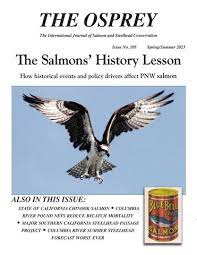

Introduction
The osprey, a magnificent bird of prey, has inspired countless generations with its striking appearance and incredible resilience. Known as the “fish hawk” or “sea hawk,” this predatory raptor has successfully adapted its lifestyle and hunting techniques to thrive in various environments across the world. In this article, we will explore the awe-inspiring journey of these incredible birds and delve into their fascinating history, unique adaptations, and remarkable recovery stories.
Osprey’s History and Characteristics
Pandion haliaetus, commonly known as the osprey, is an apex predator found on every continent except Antarctica. Known for their keen eyesight, powerful build, and impressive aerial skillset, these birds have been admired since ancient times – their image can even be found on ancient Egyptian artifacts dating back over 3,000 years.
An adult osprey can measure up to 24 inches in length with an impressive wingspan of up to six feet. These large birds are easily identifiable by their dark brown upperparts contrasting against the pure white underneath. Their beak is strongly hooked and specially designed to grip wet, slippery fish – their primary source of sustenance.
Adaptations and Hunting Techniques
The osprey’s distinct hunting technique sets it apart from other raptors. With talons capable of exerting powerful force and barbed pads on their feet, these remarkable hunters grasp onto slippery fish without difficulty. Furthermore, they possess a reversible outer toe that allows them to hold prey with two toes pointing forwards and two backward. This adaptation ensures a stronger grip while in flight.
Ospreys have been observed hovering over water bodies before plunging headfirst into the water to snatch their prey. Plunging at speeds of up to 80 miles per hour, they’re able to catch fish lurking just below the surface. Once the prey is firmly within their grasp, they take to the skies and readjust the fish’s position so it faces headfirst, thus reducing air resistance when flying back to their nests.
Conservation Efforts and Recovery Stories
Like many other wildlife species, the osprey population experienced a significant decline in the mid-1900s, mainly due to the widespread use of harmful pesticides like DDT. These chemicals accumulated within the food chain, ultimately compromising reproductive capabilities and shell strength in osprey eggs.
Recognizing their decline, many countries initiated conservation programs that have since become essential in fostering their recovery. Some notable actions taken include banning harmful pesticides, building nesting platforms, introducing relocations, and monitoring osprey populations. Consequently, these efforts have succeeded in reviving the osprey population across the globe – constituting one of the most remarkable wildlife recovery stories in recent history.
Conclusion
The captivating story of the osprey serves as a testament to wildlife resilience and nature’s remarkable ability to adapt. The concerted efforts made by dedicated conservationists to restore osprey populations have positively impacted ecosystems worldwide. As we continue to learn from these awe-inspiring creatures, may we remain engaged in supporting and protecting the ospreys’ thriving existence in our ever-evolving world.