
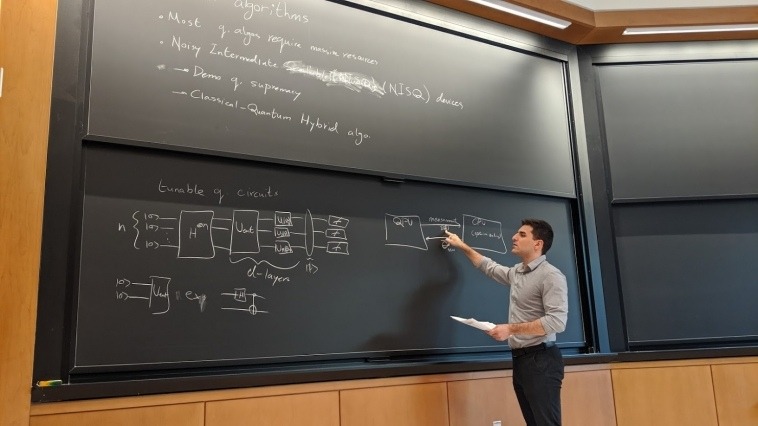

By 2025, quantum computing has begun to make significant inroads into international education, particularly in advanced scientific and technological fields. While still in its early stages of educational application, quantum computing is already reshaping how certain subjects are taught and researched.
Leading universities are incorporating quantum computing courses into their computer science, physics, and engineering programs. These courses are not only theoretical but also practical, with students gaining hands-on experience through cloud-based quantum computing platforms.
International collaborations in quantum research have intensified, with universities sharing resources and knowledge to advance this cutting-edge field. This has led to the emergence of global quantum computing hubs, attracting top talent from around the world.
The impact of quantum computing extends beyond just computer science. It’s beginning to influence fields like cryptography, drug discovery, and financial modeling. As a result, interdisciplinary programs that combine quantum computing with other fields are gaining popularity among international students.
Moreover, quantum computing is opening up new avenues for solving complex global challenges. International student teams are working on quantum algorithms to address issues like climate modeling, energy efficiency, and complex system optimization.
However, the rapid advancement of quantum computing also raises ethical and security concerns. Universities are actively engaged in discussions about the implications of this technology, integrating ethical considerations into their quantum computing curricula.
While quantum computers are not yet commonplace, the groundwork laid in education by 2025 is preparing the next generation of international students to lead in a quantum-enabled future.


