

“`html
Understanding the nuances of reading fluency vs reading speed is essential for educators, parents, and students alike. While the two terms may seem interchangeable at first glance, they represent vastly different concepts that can significantly impact a student’s learning journey. In this article, we will dive deep into the definitions, explore their relevance in education, and provide practical insights on how to foster both skills for optimal student performance.
1. Defining Reading Fluency
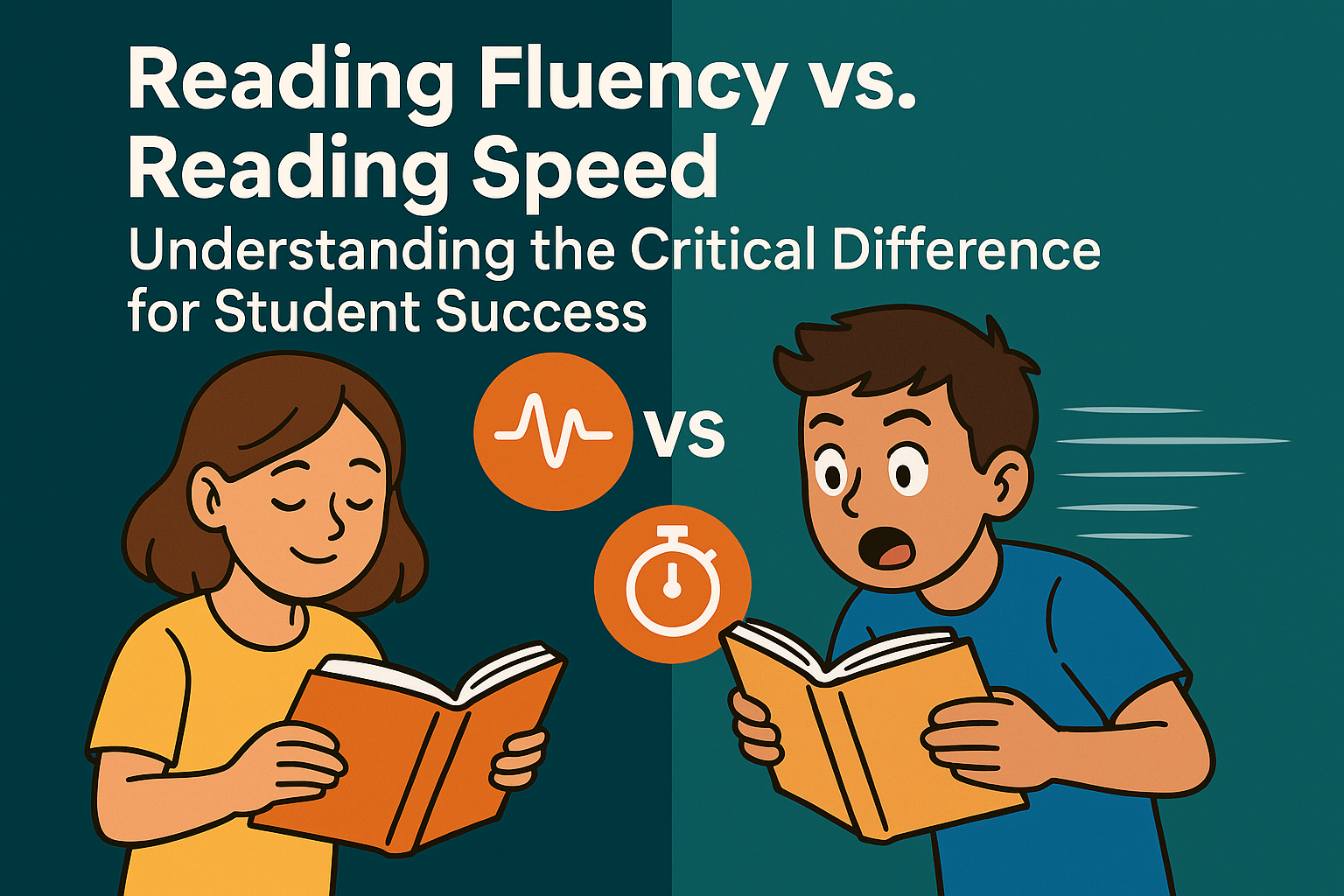
Reading fluency is the ability to read text smoothly and accurately while maintaining appropriate pacing and expression. It encompasses several components, including speed, accuracy, and prosody (the rhythm and intonation of speech). A fluent reader can easily decode words and understand the meaning behind the text, which allows for a better connection with the material. We covered importance of reading fluency in more detail.
Research indicates that reading fluency is a vital predictor of reading comprehension. According to a report by the National Institute for Literacy, students who demonstrate strong reading fluency are more likely to understand and retain the information they read. This makes fostering fluency not just an academic exercise but a crucial element in developing critical thinking and analytical skills.
2. Understanding Reading Speed
In contrast, reading speed refers solely to the rate at which a person reads, typically measured in words per minute (WPM). While a higher reading speed can be advantageous for completing large volumes of text, it does not necessarily correlate with comprehension. A student may zip through paragraphs but fail to grasp the underlying themes or details if they lack sufficient fluency.
Effective reading speed varies depending on the complexity of the material. For example, a student might read simpler texts quickly but struggle with more advanced literature. Thus, reading speed alone is not a clear indicator of a student’s overall reading proficiency.
3. Key Differences: Fluency vs. Speed
To grasp the significant distinction between reading fluency and reading speed, consider the following factors:
- Comprehension: Reading fluency enhances comprehension, while reading speed may obscure it.
- Accuracy: Fluent readers make fewer errors, while fast readers might sacrifice precision for pace.
- Expression: Prosody is part of fluency, but speed doesn’t account for emotional expression or emphasis.
These differences highlight that a focus on merely increasing reading speed can be detrimental if fluency isn’t simultaneously developed. It’s about finding a balance that prioritizes understanding alongside speed.
4. Strategies to Improve Reading Fluency
Improving reading fluency requires intentional practice and strategies tailored to the individual needs of students. Here are some effective methods:
- Repeated Reading: Have students read the same text multiple times, promoting familiarity and reducing errors.
- Guided Oral Reading: Engage in read-aloud sessions, allowing students to hear fluent reading and mimic the rhythm and tone.
- Fluency-Oriented Activities: Incorporate games, poetry, and dramatic readings to make fluency practice enjoyable.
These strategies not only enhance fluency but also create a more engaging learning environment, making the process less daunting for struggling readers. (See: National Institute of Child Health and Human Development on reading fluency.)
5. Promoting Reading Speed: Best Practices
While fluency is the goal, it’s also important to address reading speed. Here are a few practices that can help:
- Timed Readings: Conduct exercises where students read short passages under a time limit to build their speed.
- Focus on Vocabulary: A strong vocabulary can increase reading speed. Encourage students to learn new words and their meanings.
- Skimming Techniques: Teach students how to skim for main ideas without sacrificing comprehension.
By implementing these techniques, students can enhance their reading rates without losing sight of overall comprehension.
6. The Role of Assessment in Fluency and Speed
Assessing both reading fluency and speed provides valuable insights into a student’s progress. Tools like the Dynamic Indicators of Basic Early Literacy Skills (DIBELS) can help educators gauge fluency levels, while other standardized tests measure reading speed and comprehension.
Regular assessments can guide instruction and help identify students who may need additional support. Tracking progress over time ensures that reading instruction remains tailored to each student’s unique needs, allowing for more personalized learning pathways.
7. Interventions for Struggling Readers
Students who struggle with reading often face challenges in both fluency and speed. Providing targeted interventions can play a crucial role in their development:
- One-on-One Tutoring: Personalized attention can address specific weaknesses in reading.
- Specialized Programs: Programs focused on phonics and decoding can build foundational skills essential for fluency.
- Parental Involvement: Encouraging parents to participate in reading activities at home can create a supportive learning environment.
Such interventions not only build confidence in struggling readers but also instill a love for reading, which can lead to lifelong learning.
8. Current Trends in Reading Instruction
As educational paradigms shift, new trends in reading instruction are emerging that focus on the integration of technology and personalized learning. For instance, digital platforms offer interactive reading experiences that can enhance both fluency and speed.
Additionally, educators are increasingly recognizing the importance of social and emotional learning (SEL) in reading. By creating a supportive environment that fosters motivation and resilience, students are more likely to engage with reading materials and improve both their fluency and speed.
9. The Importance of Reading in the Digital Age
With the rise of digital media, the way students approach reading has evolved. E-books, audiobooks, and online articles have become essential tools in accommodating diverse learning styles. These resources can support the development of reading fluency and speed in unique ways, allowing students to interact with texts in formats that resonate with them.
However, educators must also emphasize critical thinking and comprehension skills as students encounter information rapidly online. Teaching them how to discern credible sources and engage critically with text is now more relevant than ever.
10. Striking the Right Balance: Fluency and Speed in Practice
It’s vital for educators to understand how to implement a balanced approach to teaching reading fluency and speed. A curriculum that values both aspects can significantly enhance student success. Schools might incorporate regular fluency assessments alongside speed drills to create a comprehensive reading program. (See: U.S. Department of Education on reading fluency.)
For example, a weekly reading fluency assessment could be paired with a bi-weekly speed reading challenge. This method helps educators track students’ growth in both areas and adjust instruction as needed. By fostering an environment that values comprehension over mere speed, students learn to appreciate reading as a meaningful activity rather than a race.
11. Expert Perspectives on Reading Fluency and Speed
Experts in literacy education often emphasize that reading fluency and speed are interconnected yet distinct constructs. Dr. Timothy Rasinski, a prominent figure in literacy education, argues that while speed is an important aspect of reading, it should never overshadow the fundamental goal of comprehension. He contends that teachers should celebrate a child’s progress in fluency and speed without losing sight of their understanding of the text.
Similarly, Dr. Nell Duke highlights the importance of providing diverse reading materials to promote fluency. She suggests that when students are engaged with the content, they are more likely to develop a love for reading, which naturally leads to increased speed and fluency over time.
12. Statistics and Research Findings
Numerous studies underline the importance of both reading fluency and speed in achieving literacy success. For instance, research published in the Journal of Educational Psychology indicates that students with high fluency scores scored an average of 23% higher in reading comprehension tests compared to their less fluent peers. Additionally, a report from the National Assessment of Educational Progress (NAEP) revealed that students who read at least 20 minutes a day showed significant improvements in both fluency and comprehension over their peers who did not engage in regular reading.
Furthermore, a recent survey conducted by the International Literacy Association found that 78% of educators believe that reading fluency directly affects overall academic performance. This underscores the need for targeted interventions to support students in developing their reading skills effectively.
13. FAQ: Reading Fluency vs. Reading Speed
Q1: Can a student be fast but not fluent?
A1: Yes, it’s possible for a student to read quickly without adequate comprehension or expression. Speed without fluency can lead to misunderstandings of the text.
Q2: How can I help my child improve their reading fluency at home?
A2: Parents can help by encouraging regular reading aloud, providing a variety of texts, and engaging in discussions about the material to promote understanding.
Q3: Are there specific programs that focus on developing both fluency and speed?
A3: Yes, many educational programs, such as Read Naturally and Raz-Kids, target both fluency and speed through structured exercises and engaging reading materials.
Q4: How important is prosody in reading fluency?
A4: Prosody, or the rhythm and intonation of speech, is crucial in reading fluency. It aids comprehension and enhances the overall reading experience. (See: Research on reading speed and comprehension.)
Q5: What role does motivation play in developing reading fluency and speed?
A5: Motivation is a significant factor. Students who are motivated to read are more likely to practice regularly, leading to improvements in both fluency and speed.
Q6: How can technology assist in improving reading fluency and speed?
A6: Various apps and online resources provide interactive reading exercises that can help students practice both fluency and speed. For example, programs that allow for timed readings with immediate feedback can encourage improvement.
Q7: What ages should parents start focusing on reading fluency and speed?
A7: It’s beneficial to start focusing on these skills as early as kindergarten. Early intervention lays a strong foundation for future reading success.
Q8: Can group reading activities enhance both fluency and speed?
A8: Absolutely! Group reading activities, such as choral reading or reading circles, can create a supportive environment where students can practice together, benefiting from peer modeling and encouragement.
14. Conclusion: Striking the Right Balance
In the ongoing discussion of reading fluency vs reading speed, it’s clear that both are crucial for student success. Educators must cultivate an environment where fluency is prioritized, but where speed is also acknowledged and developed. By employing targeted strategies and leveraging modern instructional tools, teachers can support students in becoming not only faster readers but also more profound and critical thinkers.
As we continue to evolve our teaching methods, let’s ensure that we emphasize the importance of reading as a key to unlocking broader educational opportunities. The journey to becoming a fluent and rapid reader is not just about speed; it’s about understanding, connecting, and thriving in a world full of texts.
“`
Trending Now
Frequently Asked Questions
What is the difference between reading fluency and reading speed?
Reading fluency is the ability to read text smoothly and accurately while maintaining expression, incorporating speed, accuracy, and prosody. In contrast, reading speed refers solely to the rate of reading, typically measured in words per minute. While both are important, fluency is crucial for comprehension.
Why is reading fluency important for students?
Reading fluency is a vital predictor of reading comprehension. Students with strong fluency can decode words and understand the meaning behind the text more effectively, leading to better retention of information and development of critical thinking skills.
How can I improve my reading fluency?
To improve reading fluency, practice reading aloud regularly, focus on pacing and expression, and engage with a variety of texts. Additionally, repeated reading and using fluency-building resources can help enhance both speed and comprehension.
Does reading speed affect comprehension?
While reading speed can help in processing large volumes of text, it does not guarantee comprehension. A student may read quickly but miss key themes or details if they lack reading fluency, which is essential for understanding the material. See also Dr. Matt Lynch's strategies.
What factors influence effective reading speed?
Effective reading speed varies based on text complexity, familiarity with the material, and individual reading skills. Students may read simpler texts quickly but struggle with more advanced literature, highlighting the importance of developing both speed and fluency.
What did we miss? Let us know in the comments and join the conversation.



