
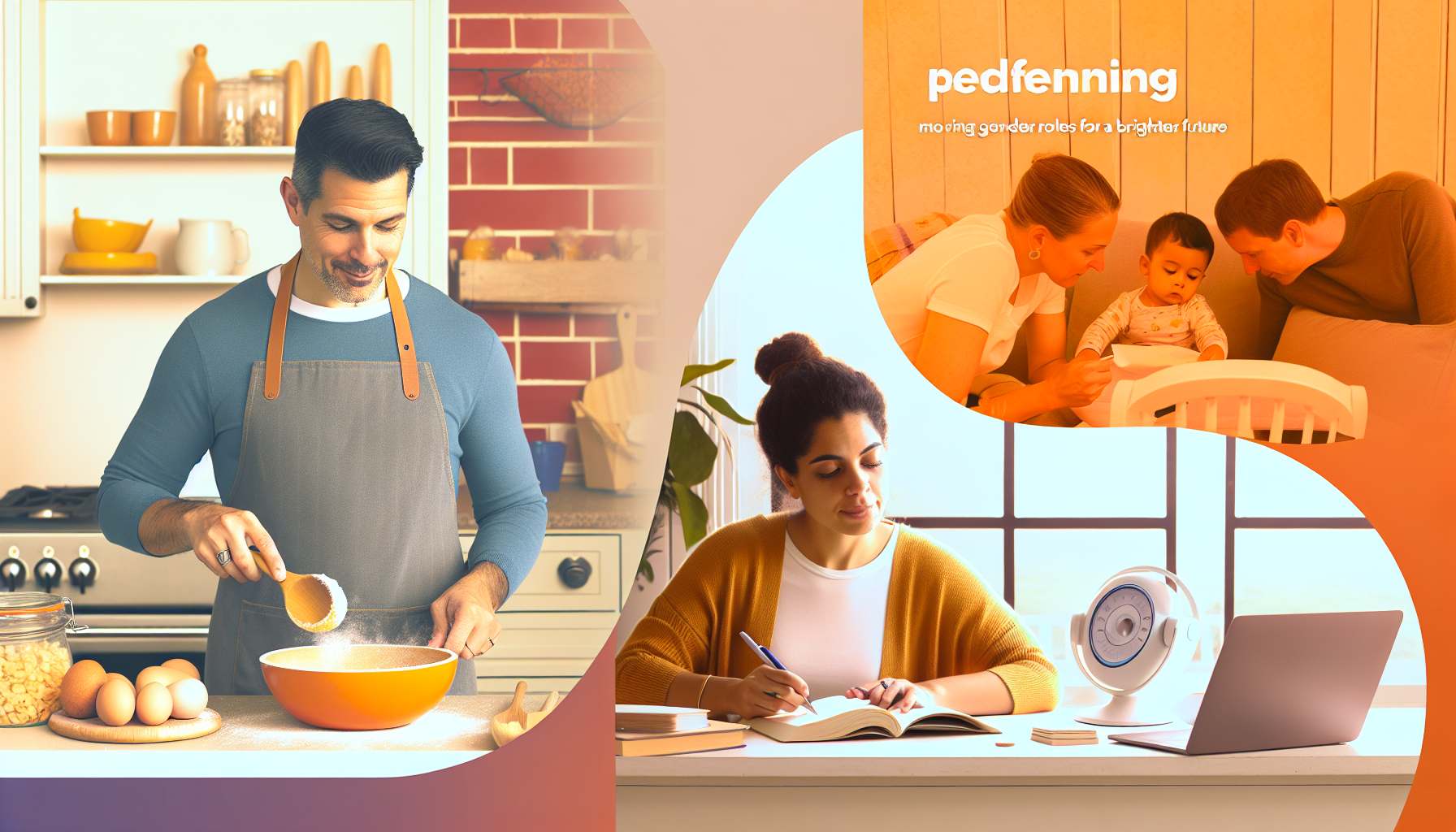

In today’s rapidly changing world, the conversation surrounding gender roles in parenting is more pertinent than ever. A recent survey has revealed some concerning statistics that highlight the persistent challenges faced by families in the context of traditional gender perceptions. While 63% of respondents believe that preschool children encounter difficulties when their mothers work, a significant 71% maintain that working mothers can bond just as securely with their children as their stay-at-home counterparts. These findings indicate a complex landscape where traditional views still hold sway, yet a growing acceptance of diverse family dynamics is emerging.
The Survey’s Insights
The data from the survey sheds light on the entrenched beliefs that often dictate family roles. Over half of the participants expressed the opinion that family life suffers when women engage in full-time jobs. Such beliefs reinforce rigid gender roles that suggest a mother’s place is primarily in the home, caring for children. This perspective not only undermines the contributions of working mothers but also perpetuates the idea that a child’s wellbeing is directly tied to maternal presence at home.
Challenges of Traditional Gender Roles
One of the most significant challenges arising from these traditional views is the guilt that many working mothers experience. The notion that their professional commitments might detract from their ability to nurture their children can lead to emotional distress and anxiety. This guilt is compounded by societal expectations that often place the burden of caregiving solely on women.
However, as Anna Cristina Tuazon argues, effective parenting transcends biological roles and is fundamentally about skills such as patience, emotional regulation, and adaptability. These skills are not confined to one gender; rather, they are qualities that can be cultivated by anyone, regardless of whether they identify as a mother or a father.
Benefits of Diverse Parenting Roles
Embracing flexible parenting roles can lead to significant benefits for both children and parents. A 2018 study conducted across 29 countries found that daughters of working mothers tend to earn more as adults, suggesting that exposure to diverse professional environments and role models can have lasting economic benefits. Similarly, sons raised in households where fathers are actively involved in caregiving develop better caregiving skills themselves, promoting a more equitable distribution of responsibilities.
- Increased Earnings: Daughters of working mothers earn more as adults, reflecting the positive impact of maternal career engagement.
- Improved Caregiving Skills: Sons benefit from witnessing their fathers participate in caregiving, leading to a more balanced approach to family responsibilities.
- Shared Responsibilities: Flexible roles encourage shared parenting duties, reducing the pressure on any one parent.
Changing Perspectives
As society continues to evolve, it is crucial to challenge the outdated stereotypes surrounding gender roles in parenting. The belief that women are inherently better caregivers can be detrimental not only to mothers but also to fathers and children. By redefining the roles within the family unit, we can foster environments where both parents are equally invested in their children’s growth and development.
Moreover, engaging fathers in parenting activities not only enhances their bond with their children but also sets a powerful example for future generations. Children who grow up in households where caregiving is shared are likely to carry these lessons into their adult lives, promoting a culture of equality and respect.
Creating Supportive Environments
To facilitate this shift in perception, society must create supportive environments that empower both mothers and fathers. This includes advocating for workplace policies that accommodate parents, such as flexible hours and parental leave for both genders. By normalizing the idea that both parents can—and should—participate in caregiving, we can help alleviate the guilt that working mothers experience and encourage fathers to take on more active roles.
Additionally, educational programs that focus on emotional intelligence and caregiving skills can benefit prospective parents of any gender. By equipping individuals with the necessary tools to navigate parenting challenges, we can foster a generation of parents who are prepared to collaborate and support each other effectively.
The Path Forward
Moving beyond traditional gender roles in parenting is not merely a matter of choice; it is a necessity for the healthy development of families and society at large. As we continue to fight against rigid stereotypes, it is essential to recognize the value of diverse parenting styles and the benefits they bring.
In conclusion, embracing flexible parenting roles is a progressive step toward nurturing well-rounded children who thrive in a world that values equality. As the survey indicates, while many still cling to outdated beliefs about gender and parenting, there is a significant opportunity to shift these perceptions. By championing shared responsibilities and acknowledging that effective parenting is rooted in skills rather than gender, we can pave the way for a brighter, more equitable future for all families.






