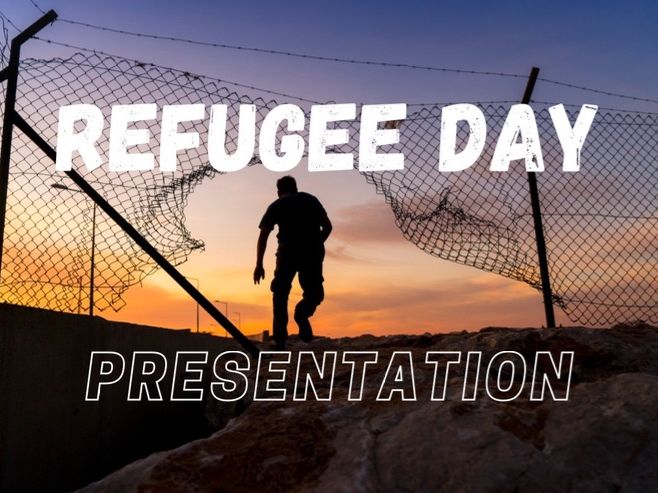

As the sun rose on World Refugee Day, we were reminded of the millions of stories scattered across the globe—stories of loss, hope, and the indomitable human spirit. A day dedicated to raising awareness and commemorating the strength, courage, and perseverance of millions of refugees, this occasion has now become an integral part of educational curricula aimed at fostering empathy and understanding among students.
Engaging with students on Refugee Day offers a unique opportunity to teach them about the complexities of global displacement and the crisis affecting an unprecedented number of individuals worldwide. It is not merely a day; it’s a platform for students to delve deep into the narratives that shape our world—a world that, while divided by boundaries, is united by shared experiences of struggle and resilience.
To bring these stories to life in a classroom setting and make them resonate with young minds requires a multisensory approach. A blend of storytelling, interactive activities, and reflective discussions can create an immersive learning experience. Below are some key elements that could form part of a Refugee Day teaching presentation:
1. Personal Narratives: Begin with real-life stories. Survivor accounts or documentaries can offer powerful insights into the lives of refugees. The personal touch can elicit empathy and make the statistics relatable.
2. Interactive Map: A world map showing migration patterns engages students visually, helping them understand the global scale of displacement. Highlighting hotspots where conflicts or natural disasters have forced people to flee their homes ties geographical knowledge with current events.
3. Cultural Exchange: Include an exploration of different cultures represented by refugee populations in your community or internationally. Sharing music, art, or food from these cultures can celebrate diversity while fostering inclusivity.
4. Role-Playing Activities: Have students step into the shoes of refugees through role-playing scenarios. This activity can give them a glimpse into the decision-making processes refugees face daily.
5. Discussions on Solutions: Engage the class in debates or discussions about potential solutions for the refugee crisis. Encourage critical thinking by discussing international policies, humanitarian aid, and individual actions that can make a difference.
6. Call to Action: End your presentation by encouraging students to contribute. This could be through donation drives, awareness campaigns, or volunteer work with local organizations that support refugees.
7. Reflection: Allow time for students to reflect on what they’ve learned through writing assignments or group discussions – reinforcing insights gained during the presentation.
This Refugee Day teaching presentation can serve as more than just an educational tool; it acts as a bridge connecting young hearts and minds with global issues — cultivating knowledgeable citizens who are prepared to contribute positively to our collective future.