
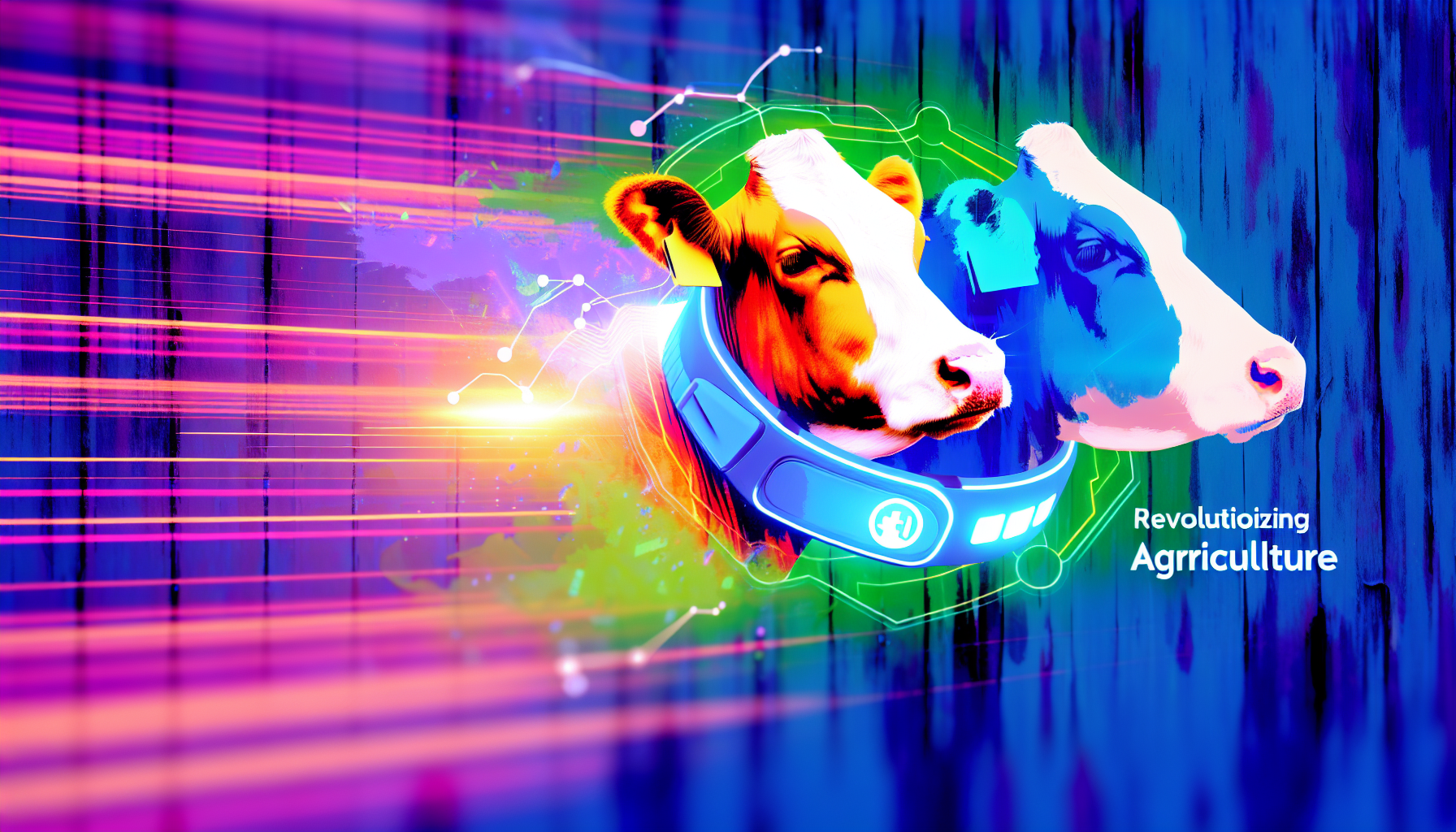

The intersection of artificial intelligence and agriculture is witnessing a transformative shift, exemplified by the recent funding success of Halter, a startup that specializes in AI-powered cow collars. The company has secured significant investment from the Founders Fund, co-founded by notable entrepreneur Peter Thiel, achieving a remarkable valuation of $2 billion. This funding round not only underscores Halter’s innovative approach to livestock management but also highlights the burgeoning interest in technology that optimizes agricultural practices.
Understanding Halter’s Technology
At the core of Halter’s offering is its GPS-enabled collar, which is part of a larger system designed to enhance the management of cattle. This technology allows farmers to monitor their herds continuously and in real-time. The collars come equipped with a proprietary software platform known as the ‘Cowgorithm’, which automates various aspects of cattle management.
Features of the Cow Collar
- Real-Time Data Insights: The collars provide farmers with crucial data regarding the location and health of each cow, allowing for timely interventions.
- Automated Grazing Management: Halter’s system uses AI to optimize grazing patterns, which can contribute to better pasture management and sustainability.
- Health Monitoring: The collars can detect changes in behavior or health, alerting farmers to potential issues before they escalate.
- Lower Labor Costs: By automating routine tasks, farmers can reduce the labor required for cattle management, leading to significant cost savings.
The Impact of AI on Agriculture
The agricultural sector has traditionally been labor-intensive, but the advent of AI technologies like Halter’s is changing the landscape. The use of smart collars is part of a larger trend towards precision agriculture, where data analytics and AI are employed to maximize efficiency and productivity. Farmers are increasingly recognizing the value of integrating technology into their operations to meet the demands of modern farming.
Benefits of AI in Farming
- Increased Productivity: With real-time data and automated systems, farmers can enhance milk production and overall herd health.
- Cost Efficiency: Reduced labor costs and optimized resource allocation lead to improved profit margins.
- Sustainability: By optimizing grazing and monitoring health, farmers can promote sustainable practices that benefit the environment.
Investment Landscape in Agri-Tech
The investment from the Founders Fund is indicative of a larger trend where venture capital is flowing into agri-tech startups. Investors are increasingly recognizing the potential of technology to solve pressing agricultural challenges, such as labor shortages and the need for sustainable farming practices. Halter’s substantial valuation reflects this growing confidence in the agri-tech sector.
Key Players in Agri-Tech
Halter is not alone in the agri-tech space. Numerous startups are innovating in various domains, from crop monitoring to supply chain optimization. Some notable players include:
- Agrivoltaics: Companies that combine agriculture and solar energy to optimize land use.
- Vertical Farming: Startups that create efficient, urban farming solutions utilizing advanced hydroponics and AI.
- Precision Agriculture Platforms: Companies focused on using data to enhance crop yields and minimize waste.
The Future of Halter
With the fresh capital from the Founders Fund, Halter aims to scale its operations and expand its market reach. The company is well-positioned to capitalize on the trend of increasing digitization in agriculture. By enhancing its technology and possibly expanding its product offerings, Halter could play a pivotal role in the evolution of livestock management.
Challenges Ahead
Despite the promising outlook, Halter and similar startups face challenges. The agricultural industry is often slow to adopt new technologies, and convincing farmers to invest in tech solutions can be a hurdle. Additionally, competition is increasing, with both startups and established companies vying for a share of the agri-tech market.
Conclusion
The backing from the Founders Fund represents a significant endorsement of Halter’s innovative approach to cattle management. As AI continues to reshape the agricultural landscape, solutions like Halter’s cow collars could become essential tools for farmers seeking to improve efficiency and productivity. With a valuation of $2 billion, Halter is not just a startup—it’s a harbinger of the future of farming, where technology and tradition can coexist to create more sustainable agricultural practices.






