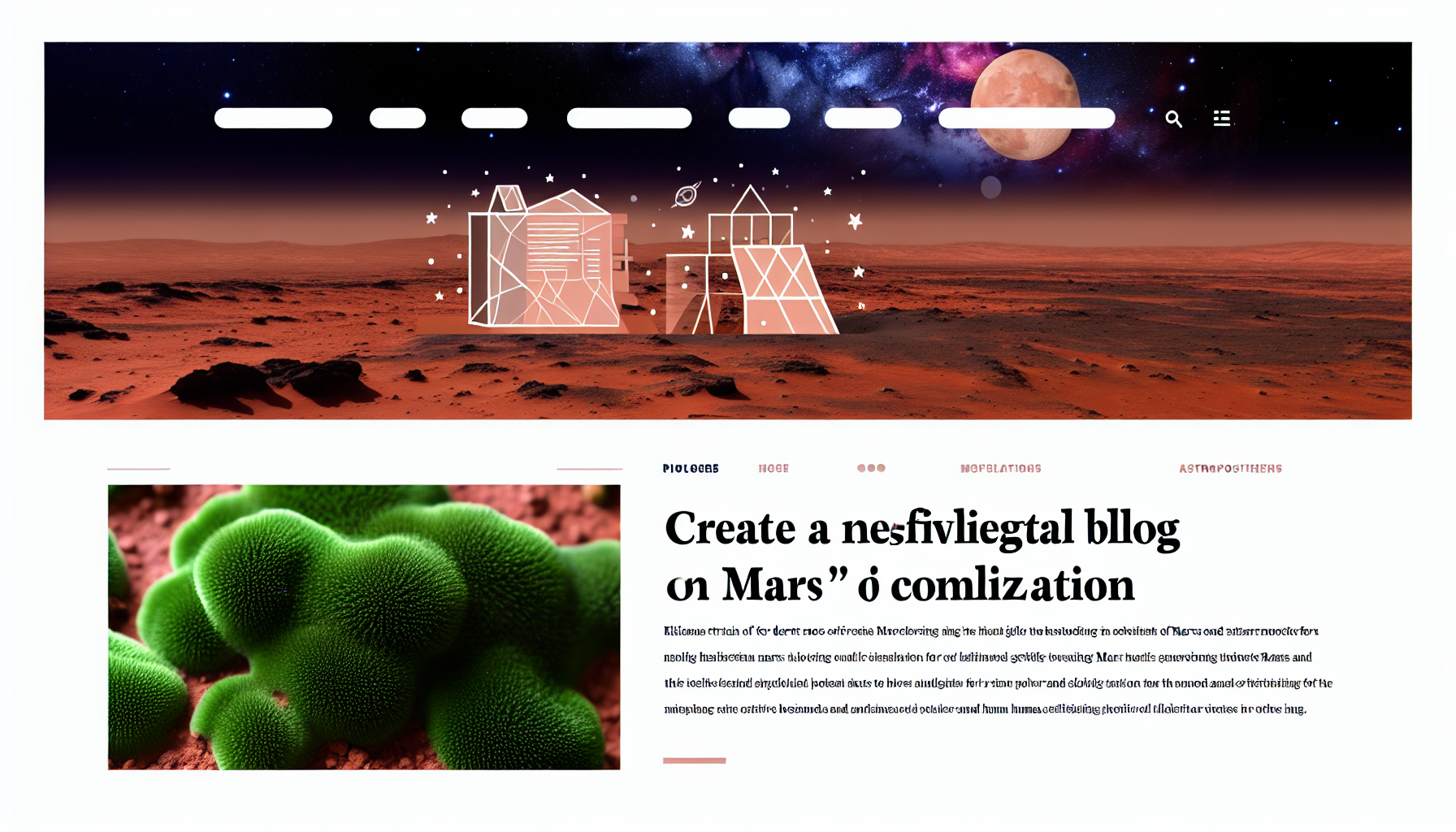

In a groundbreaking discovery that could reshape our understanding of life beyond Earth, scientists have identified a remarkable desert moss species—Syntrichia caninervis—that can thrive under conditions similar to those on Mars. This finding not only opens avenues for the potential colonization of the Red Planet but also holds promise for creating sustainable environments in extreme conditions.
The Resilience of Syntrichia caninervis
Published in the esteemed journal The Innovation (Cell Press), the study showcases the extraordinary capabilities of Syntrichia caninervis. This moss can withstand severe dehydration, losing over 98% of its cellular water without succumbing to death. Remarkably, it can resume photosynthesis within just two seconds once rehydrated, showcasing a level of resilience that is almost unparalleled in the plant kingdom.
Extreme Conditions Mimicking Mars
One of the most fascinating aspects of this moss is its ability to endure temperatures plummeting to -196°C and exposure to radiation levels reaching 5,000 Gy. To put this into perspective, the lethal dose of radiation for humans ranges between 5-10 Gy. This staggering tolerance to both cold and cosmic radiation makes Syntrichia caninervis a prime candidate for studies aimed at terraforming Mars.
Potential for Mars Colonization
The implications of this discovery extend beyond mere survival; they point towards the possibility of establishing a more sustainable ecosystem on Mars. As missions to colonize Mars gain momentum, understanding how alien environments can support life is crucial. The ability of Syntrichia caninervis to survive harsh conditions could lead to the development of biological systems that maintain life in extraterrestrial settings.
DNA Repair Mechanisms
Another significant finding from the study is the moss’s advanced DNA repair mechanisms. These capabilities make it even more resilient than other extremophiles, such as tardigrades, which are renowned for their ability to survive extreme environments. The ability to repair DNA damage caused by radiation exposure is vital for any form of life intended to thrive in the harsh conditions of space.
Future Research Directions
As scientists delve deeper into the genetic and physiological attributes of Syntrichia caninervis, several research avenues could emerge. These include:
- Genetic Engineering: Enhancing the moss’s traits could lead to the development of hardy crops that withstand extreme environmental challenges on Earth.
- Astrobiology: Understanding how life can exist and adapt in extreme conditions could provide insights into finding life elsewhere in the universe.
- Terraforming Strategies: Using Syntrichia caninervis as a foundational species for creating green habitats on Mars could be a vital step in making the planet more Earth-like.
Contributions to Earthly Challenges
Interestingly, the potential applications of this desert moss extend to addressing challenges faced on Earth. As climate change accelerates and ecosystems face unprecedented pressures, the traits that allow Syntrichia caninervis to endure extreme conditions could inspire new agricultural practices or conservation strategies. For instance:
- Soil Conservation: The moss’s ability to survive with minimal water could lead to innovative solutions for agriculture in arid regions.
- Bioremediation: Its resilience may aid in restoring ecosystems affected by pollution or climate change.
Looking Ahead
The discovery of Syntrichia caninervis is a promising step in the quest for sustainable life beyond Earth. Its unique biological traits not only shed light on the potential for colonizing Mars but also offer valuable lessons in resilience and adaptability that can be applied right here on our home planet. As research progresses, the hope is that this resilient moss could one day help us achieve a vision of a ‘Green Planet’ on Mars, transforming the desolate landscape into a thriving ecosystem.
In summary, the implications of this moss extend far beyond its immediate survival capabilities. It poses a significant opportunity for humanity to rethink our approaches to life on Earth and beyond, paving the way for a future where we can coexist with nature in even the most unforgiving environments.