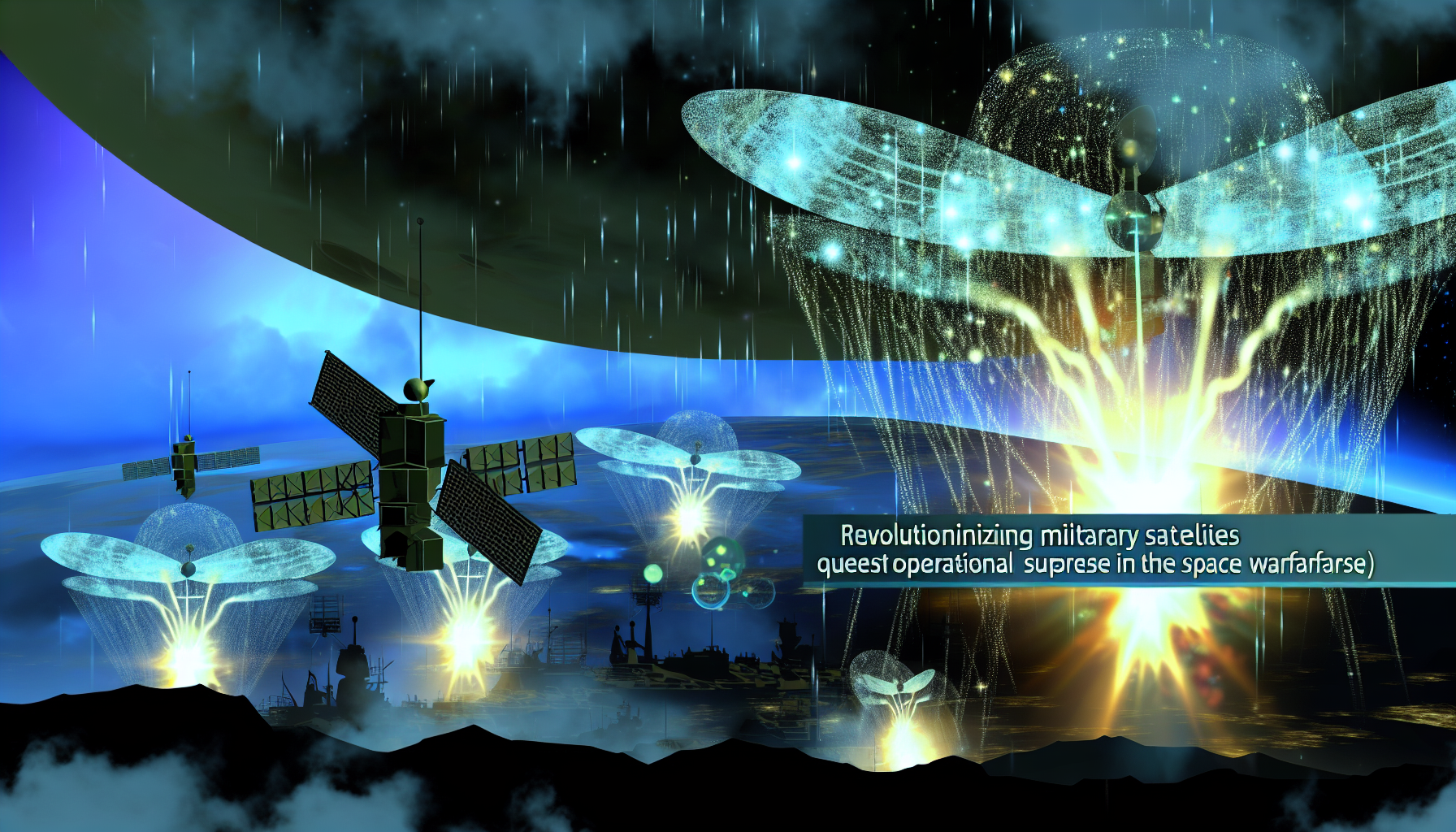

The landscape of military operations has dramatically evolved over the past few decades, with space emerging as a critical domain for defense strategy. As the geopolitical tensions escalate and the arms race extends into the cosmos, it has become increasingly evident that traditional satellite technology is becoming inadequate. On April 19, 2026, a report highlighted the pressing need for military satellites that are not only capable of maneuvering dynamically but also possess the capacity for operational surprise. This shift is driven by the understanding that satellites in static orbits are highly vulnerable to adversaries.
The Vulnerability of Static Orbits
Satellites traditionally operate in specific orbits, which provide them with a consistent vantage point over a designated area. However, this static positioning makes them predictable and easy targets for hostile forces. As Gen. Stephen Whiting, a key figure in the U.S. Space Force, pointed out, the reliance on these unyielding orbits poses a significant risk in modern warfare. Adversaries equipped with advanced technologies—such as anti-satellite missiles—can effectively neutralize static satellites, crippling military and intelligence operations.
Operational Surprise: A New Military Necessity
The concept of operational surprise is not new to military strategy; however, its application in space has taken on new urgency. In the context of military satellites, operational surprise refers to the ability of these assets to remain unpredictable, making it difficult for adversaries to anticipate their movements and capabilities. This shift is essential as nations increasingly recognize the strategic advantages of space-based systems.
Dynamic Maneuverability
To achieve operational surprise, future military satellites must be designed with dynamic maneuverability in mind. This capability allows satellites to change their orbits, reposition themselves quickly, and evade potential threats. The development of such technologies may involve:
- Advanced propulsion systems: New propulsion technologies that enable rapid orbital adjustments.
- Autonomous navigation: The incorporation of artificial intelligence (AI) for real-time decision-making and course adjustments.
- Improved sensor technologies: Enhanced sensors that allow for better situational awareness and threat detection.
By integrating these technologies, military satellites can operate in a more fluid manner, thereby complicating adversarial targeting efforts.
Counteracting Space-Based Threats
The emergence of new technologies has led to a significant increase in threats to space assets. Anti-satellite (ASAT) weapons, cyber-attacks on satellite systems, and electronic warfare tactics are just a few examples of the challenges that military satellites face. To counteract these threats, the following strategies are crucial:
- Resilience: Developing satellites with redundant systems that can withstand attacks.
- Agility: The ability to move and adapt quickly to changing conditions.
- Decentralization: Utilizing a network of smaller satellites rather than relying on a few large, vulnerable assets.
These strategies not only enhance the survivability of military satellites but also amplify their operational effectiveness in a contested environment.
Global Competition in Space
The push for advanced military satellite capabilities is not limited to the United States. Countries like Russia and China are also investing heavily in their space capabilities, leading to a highly competitive environment. As these nations develop their own satellite systems with enhanced maneuverability and operational surprise, it is imperative for the U.S. and its allies to keep pace.
International Implications
The evolving landscape of military satellite technology has significant international implications. The potential for escalation in space-based conflicts raises concerns about the militarization of space and the need for international treaties to regulate these developments. Efforts must be made to ensure that advancements in military satellite technology do not lead to an arms race that could threaten global security.
Conclusion: The Future of Military Satellites
As military operations increasingly rely on space-based assets, the demand for satellites capable of dynamic maneuverability and operational surprise will only grow. The insights from Gen. Stephen Whiting and the ongoing discussions around military satellite capabilities underscore the urgency of this evolution. The future of military satellites will be defined by their ability to adapt, survive, and operate effectively in an unpredictable and hostile environment.
In this new era of space warfare, the stakes are higher than ever, and the ability to maintain a strategic advantage in the cosmos will be critical for national security. As nations continue to innovate and expand their military capabilities in space, the development of resilient and agile satellites will be at the forefront of this transformative journey.