
Introduction
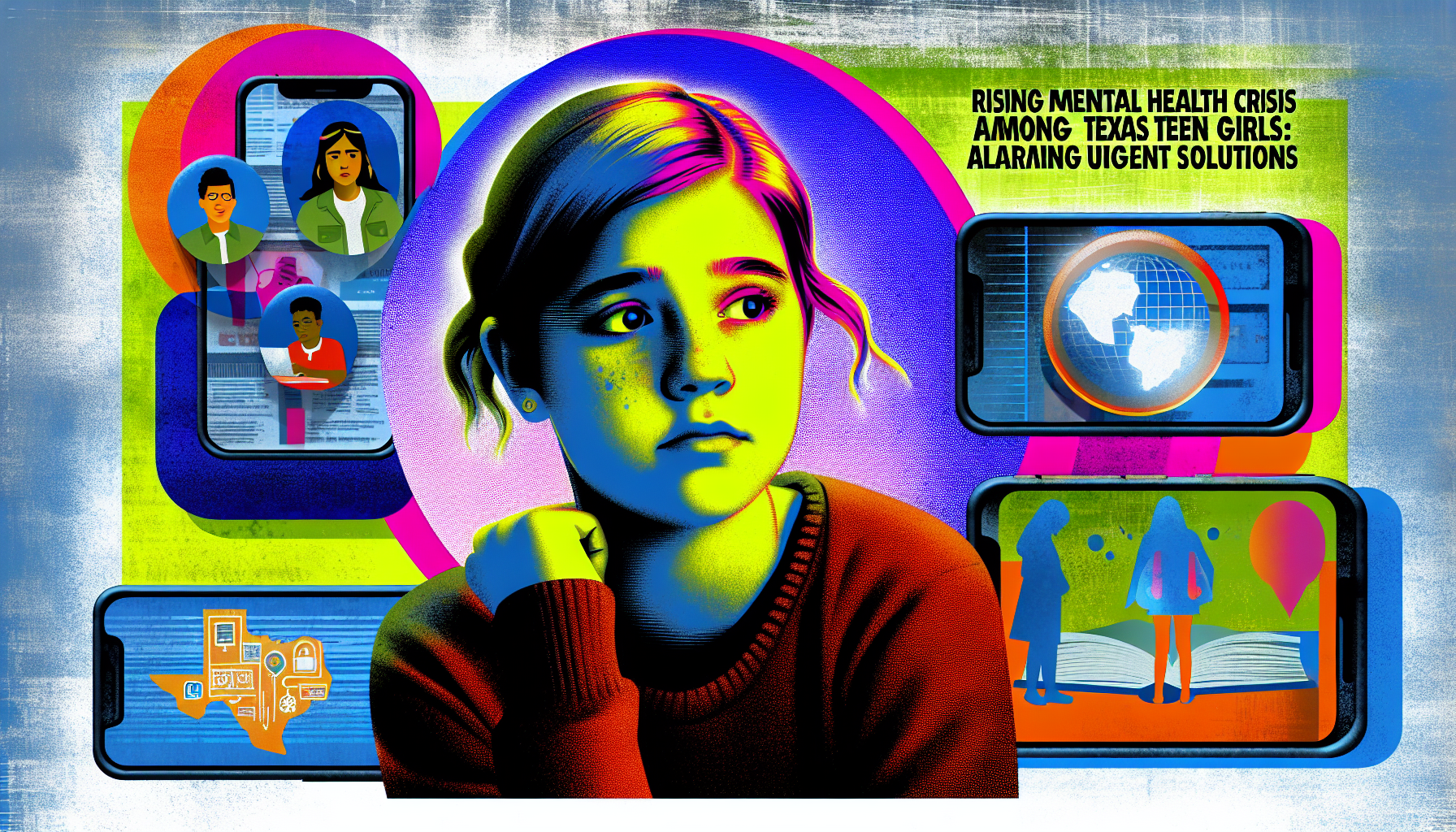
As society becomes increasingly aware of the mental health challenges facing youth, a new report sheds light on a troubling trend among teenage girls in Texas. According to findings from the Girl Scouts of the USA and Girl Scouts of Northeast Texas, nearly three in five teen girls report feeling persistently sad or hopeless. Despite these alarming statistics, a significant number of these young individuals do not receive the mental health support they desperately need. The implications of this silent struggle are profound, making it essential for parents, educators, and communities to take action.
Understanding the Scope of the Problem
The report highlights a critical mental health crisis affecting teenage girls, with many facing emotional distress in silence. Specifically, it reveals that 58% of teen girls in Texas report persistent feelings of sadness or hopelessness, a statistic that raises serious concerns about the mental well-being of this demographic.
Experts, including mental health advocate Katie Harlan, emphasize the importance of recognizing the signs of mental health struggles. Many teens suffer in silence, often due to stigma, lack of resources, or an inability to articulate their feelings. The report suggests that these mental health challenges can lead to more severe risks, including self-harm and unsafe online behavior.
The Importance of Open Communication
One of the key recommendations from the report is the necessity for open lines of communication between parents and their children. Harlan encourages parents to foster non-judgmental environments where their teens feel safe to express their feelings. This can be achieved by:
- Asking open-ended questions that encourage dialogue.
- Listening actively to their concerns without judgment.
- Being observant of behavioral changes that may signal distress.
Common warning signs to look for include:
- Withdrawal from friends and social activities.
- Changes in sleep patterns, such as insomnia or excessive sleeping.
- Loss of interest in hobbies or activities previously enjoyed.
- Noticeable changes in academic performance or concentration.
The Role of Schools in Supporting Mental Health
Schools play a crucial role in the mental health landscape for teens. With many young people spending a significant portion of their day in educational settings, schools can serve as a first line of defense against mental health issues. The report encourages families to engage with school counselors, who can provide essential support and resources.
In addition to individual counseling, schools can implement programs aimed at promoting mental wellness, such as:
- Workshops on stress management and emotional resilience.
- Peer support groups where students can share their experiences and feelings.
- Education for teachers and staff on recognizing mental health issues and how to respond.
Community Resources for Mental Health Support
Beyond school resources, there are various community organizations dedicated to supporting mental health in Texas. Two notable organizations include:
- MHA Houston (Mental Health America of Greater Houston): This organization provides resources, educational materials, and support for individuals and families dealing with mental health challenges.
- NAMI Greater Houston (National Alliance on Mental Illness): NAMI offers free education programs, support groups, and advocacy for those affected by mental illness.
Both organizations emphasize the importance of early intervention and accessible mental health resources for youth. They offer hotlines, counseling services, and community events that aim to reduce stigma and encourage open discussions about mental health.
Barriers to Accessing Mental Health Care
Despite the growing awareness of mental health issues, many teens and their families face significant barriers when seeking help. Financial constraints, lack of insurance, and limited availability of mental health professionals can hinder access to necessary services. The report underscores the need for systemic changes to improve access to mental health care for all youth.
Furthermore, there is a pressing need for mental health education in schools to ensure that students understand how to seek help when they need it. By integrating mental health education into the curriculum, schools can equip students with the knowledge they need to advocate for themselves and their peers.
The Impact of Social Media
In the digital age, social media plays a complex role in the mental health of teenagers. While it can provide a platform for connection and support, it can also contribute to feelings of inadequacy, anxiety, and depression. The report suggests that exposure to curated images of others’ lives can lead to unrealistic comparisons and a decline in self-esteem among teen girls.
To mitigate the negative impacts of social media, experts recommend the following strategies for both parents and teens:
- Establishing healthy boundaries around social media use, such as limiting screen time.
- Encouraging critical thinking about the content consumed online.
- Promoting positive online communities that foster support and acceptance.
Creating a Supportive Environment at Home
Creating a supportive home environment is crucial for encouraging open discussions about mental health. Parents can take proactive steps to foster this environment by:
- Demonstrating emotional vulnerability and sharing their own feelings.
- Validating their teen’s emotions and experiences, rather than dismissing them.
- Engaging in family activities that promote bonding and connection.
By building strong relationships with their children, parents can create a safe space for them to express their feelings and seek help when needed.
Conclusion
The findings from the report by the Girl Scouts of the USA and Girl Scouts of Northeast Texas serve as a wake-up call for parents, educators, and the community at large. With nearly 60% of teen girls in Texas feeling persistently sad or hopeless, it is imperative that we address the mental health crisis facing our youth.
By fostering open communication, utilizing available resources, and creating supportive environments, we can help break the cycle of silence surrounding mental health struggles. It is essential to recognize not only the prevalence of these issues but also the importance of early intervention and support. Together, we can work towards a future where every teen girl in Texas feels heard, supported, and empowered to seek help.