
Introduction
School trips are an essential part of a child’s educational experience, providing unique learning opportunities and enrichment beyond the classroom setting. However, ensuring the safety and well-being of students during these outings is a top priority for educators, parents, and guardians. This article will discuss the importance of safeguarding children and young people on school trips and offer practical tips for minimizing risks while enhancing the experience for all involved.
Understanding the Importance of Safeguarding
Safeguarding refers to the measures taken to protect children and young people from abuse, neglect, and exploitation. In the context of school trips, it involves ensuring that students are safe from harm while participating in activities outside of their normal school environment.
Key Safeguarding Strategies for School Trips
1. Risk Assessments
Conducting risk assessments before any trip is an essential step in making informed decisions about planned activities. Identify potential hazards, evaluate their severity, and outline necessary precautions to minimize risk.
2. Parental Consent and Communication
Provide clear information about trip objectives, activities, transportation plans, and supervision arrangements to parents or guardians. Seek written consent from them and ensure that they are aware of their role in supporting their child during the trip.
3. Staff Training and Roles
Teachers and staff should receive training on safeguarding principles, including recognizing signs of abuse or neglect among students. Designate a lead person responsible for safeguarding during school trips who can manage concerns if they arise.
4. Student Preparedness
Educate students about expected behavior during a school trip; this includes respecting guidelines set by staff members, as well as understanding potential risks associated with particular activities.
5. First Aid Provision
At least one member accompanying the group must have an up-to-date first aid qualification. Additionally, all supervisors should be aware of any specific medical needs among students.
6. Supervision Ratios
Ensure appropriate supervision ratios based on group size, age, and nature of activities involved. Younger or more vulnerable children may require additional staffing to ensure proper levels of care.
7. Emergency Plans
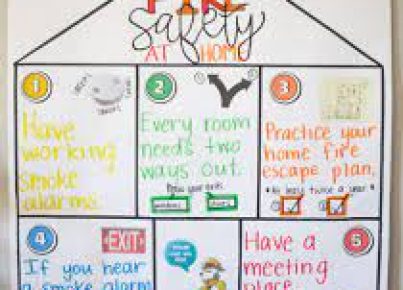
Have a clear emergency plan established, including a designated meeting point and communication plan. Share relevant contact information for tour leaders, school staff, local emergency services, and parents with all stakeholders.
8. Transportation
Select suitable transportation options that prioritize safety and security for students—whether using school-owned vehicles or contracting with third-party providers.
9. Monitoring Online Activity
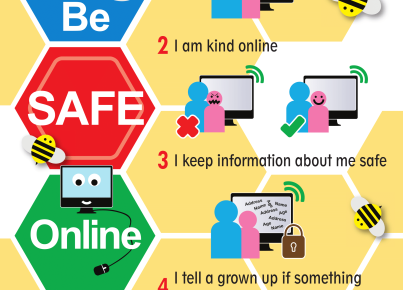
For trips involving internet access, monitor student activity and provide guidelines for responsible digital citizenship to maintain a safe online environment.
Conclusion
Safeguarding children and young people on school trips is an essential responsibility for educators and parents alike. By implementing these key strategies, schools can ensure the well-being of their students while providing them with valuable opportunities to learn and grow outside the classroom.