
“`html
Understanding Semantic Development in Preschoolers
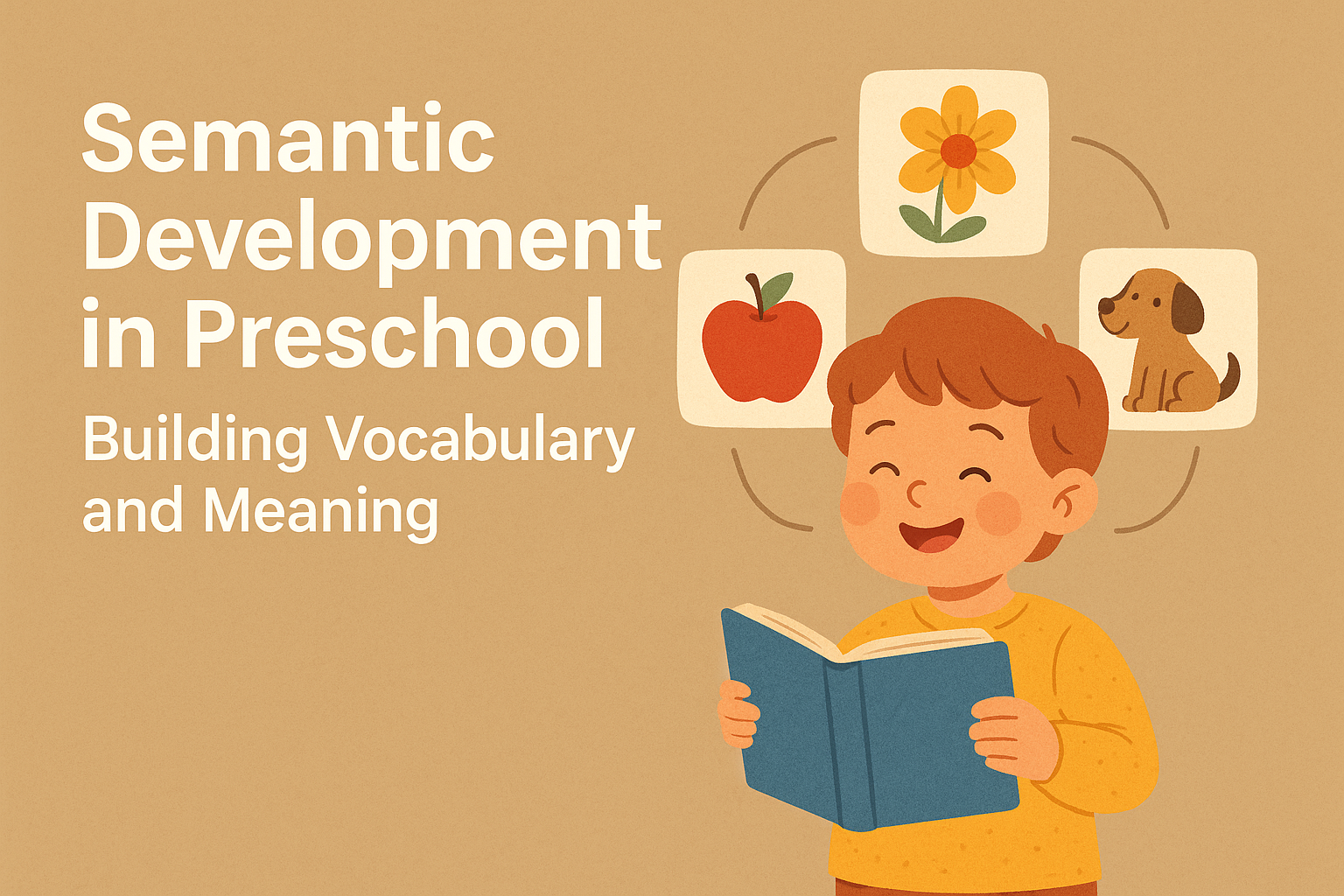
Semantic development refers to the process by which children acquire and enhance their understanding of meaning in language. In preschool, semantic development primarily focuses on expanding vocabulary and fostering the ability to comprehend and use words effectively. By the age of five, children may have a vocabulary of around 2,500 to 5,000 words, and their semantic skills are foundational for later reading and writing proficiency.
During these formative years, children engage with language in various ways, from conversations with caregivers to storytelling and play. These interactions are crucial as they help children not only learn new words but also understand the nuances of meaning, such as synonyms, antonyms, and context-based interpretations.
The Importance of Vocabulary Development
Vocabulary development is more than just learning new words; it plays a significant role in overall cognitive development. Research shows that a robust vocabulary correlates with better reading comprehension and academic success later in life. Children with a rich vocabulary are also better equipped to express their thoughts and feelings, making social interactions smoother and more meaningful.
Moreover, vocabulary skills are linked to other critical domains of development. For example, children who can express themselves clearly are more likely to engage in complex play with peers, fostering social skills and emotional intelligence. Therefore, focusing on preschool vocabulary development is not merely an academic exercise but a vital component of holistic child development.
Key Components of Semantic Development
Several factors contribute to effective semantic development in preschoolers. Understanding these components can help educators and parents support children’s language growth more effectively.
1. Rich Language Exposure
One of the most critical factors in vocabulary development is exposure to rich language. This means that children should hear a variety of words and phrases in different contexts. Research indicates that children from language-rich environments—where caregivers frequently engage them in conversation—tend to have larger vocabularies. Simple practices like reading aloud, narrating daily activities, and encouraging questions can significantly enhance a child’s vocabulary.
2. Interactive Storytelling
Storytelling is a powerful tool for semantic development. Through stories, children encounter new words and concepts while also learning about narrative structure and context. Interactive storytelling, where children are encouraged to predict outcomes, ask questions, and contribute their ideas, can deepen their understanding of vocabulary. For instance, asking children what they think a character might do next or how they would feel in a particular situation engages them more fully.
3. Play-Based Learning
Play is an essential aspect of preschool life and is often where children learn best. Through play, children can explore language in a natural, enjoyable way. Role-playing scenarios, such as pretending to be in a grocery store, allows children to practice vocabulary relevant to that setting, helping them to internalize and apply new words. The social nature of play also encourages interaction with peers, promoting language use and comprehension.
4. Thematic Vocabulary Instruction
Introducing vocabulary around themes can be particularly effective in building connections between words and their meanings. For example, a unit on animals might include words like “habitat,” “predator,” and “camouflage.” Thematic instruction helps children see relationships between words, making it easier to remember and use them. Additionally, incorporating arts and crafts, songs, or videos related to the theme can further reinforce learning. (See: importance of vocabulary development.)
Practical Strategies for Supporting Vocabulary Development
Supporting preschool vocabulary development does not require an advanced degree in linguistics. Here are some practical strategies that educators and parents can implement:
1. Expand on Children’s Language
When children use simple words or phrases, adults should expand their language. For example, if a child says, “I see a dog,” an adult might respond, “Yes, I see a big brown dog running in the park!” This technique not only reinforces the initial statement but introduces new vocabulary and structures.
2. Encourage Descriptive Language
Encouraging children to describe their experiences can significantly enhance vocabulary. Instead of merely asking if they had fun at the park, ask what they did, what they saw, and how certain activities made them feel. This approach prompts children to use more elaborate language and introduces them to adjectives and adverbs.
3. Use Visual Aids
Visual aids can make abstract concepts more concrete. Picture books, flashcards, and real-world objects can help children connect words to their meanings. For instance, showing a picture of a “pyramid” while saying the word allows children to visualize and understand the term better.
4. Create a Word-Rich Environment
Surrounding children with labels, signs, and written words can enhance their vocabulary development. Labeling objects around the house or classroom, such as “fridge,” “door,” and “table,” can help children associate words with their meanings. Additionally, providing access to age-appropriate books can spark interest in new vocabulary.
Assessing Semantic Development
Monitoring preschool vocabulary development is essential to ensure that children are on track. Regular assessments can help identify areas where a child may need additional support. Here are some effective methods to assess semantic development:
1. Observational Assessment
Observing children during play and interactions can provide valuable insight into their vocabulary use. Educators and parents should take note of the words children use, the contexts in which they use them, and how they respond to new vocabulary. This method can highlight specific strengths and areas needing improvement.
2. Structured Vocabulary Tests
While formal testing may not be suitable for all preschoolers, simple vocabulary assessments can be helpful. These can include asking children to name objects, describe pictures, or match words to images. Such tests can be conducted in a fun, engaging way to avoid stress and encourage participation.
3. Language Sampling
Language sampling involves collecting samples of children’s spontaneous speech during conversations or play. Analyzing these samples can provide insight into vocabulary diversity, sentence complexity, and overall language use. This method allows educators to tailor support based on observed needs.
Current Relevance and Future Implications
The focus on preschool vocabulary development has gained renewed attention in recent years, particularly in light of the pandemic, which disrupted traditional learning environments. Many children experienced reduced language exposure due to limited social interactions. As educators and parents recognize the importance of semantic development, they are increasingly seeking out resources and strategies to support their children. (See: language development in preschoolers.)
Furthermore, with the rise of technology, new tools for vocabulary development are emerging. Educational apps and online resources can supplement traditional learning methods, providing interactive and engaging ways for children to learn new words. However, it’s vital to balance screen time with real-world interactions to ensure a well-rounded language experience.
Effective Vocabulary Development Programs
Several programs have been developed specifically to enhance preschool vocabulary development. These programs often incorporate multiple strategies that combine visual, auditory, and kinesthetic learning styles to optimize engagement. For instance, programs such as “Words Are Wings” and “Talk, Read, Talk, Write” aim to create rich language experiences through interactive storytelling and play-based activities.
Studies on these programs show that children participating in structured vocabulary development initiatives often demonstrate significant gains in word knowledge compared to their peers. For example, children who participated in “Words Are Wings” showed a 30% increase in vocabulary comprehension over a six-month period.
Statistics on Vocabulary Development
Research highlights the critical nature of vocabulary acquisition in early childhood. According to a study by Hart and Risley, children from professional families heard an average of 2,153 words per hour, while those from welfare families heard approximately 616 words. This disparity can result in a 30 million-word gap by the time children reach the age of three, profoundly impacting their vocabulary development and later academic performance.
Additionally, a report from the National Institute for Literacy found that children with a vocabulary size of fewer than 2,000 words by the age of five are at a higher risk of later literacy difficulties. These statistics underscore the importance of proactive measures in supporting vocabulary growth in preschool settings.
Expert Perspectives on Vocabulary Development
Experts in child development emphasize the significance of early vocabulary acquisition. Dr. Laura Justice, a prominent researcher in early literacy, states, “Vocabulary is the gateway to literacy. A child’s ability to understand and use words is crucial for reading comprehension and overall academic success.” This perspective is echoed by educators who advocate for increased parental involvement in fostering a language-rich environment.
Additionally, speech-language pathologists often stress the importance of early intervention. They recommend that parents should not only read to their children but also engage them in discussions about the stories, asking open-ended questions and encouraging critical thinking about the content.
FAQ About Preschool Vocabulary Development
What is the best age to start focusing on vocabulary development?
Vocabulary development should begin at birth. The foundation of language skills is laid early on through interactions, reading, and exposure to language. However, preschool years (ages 3-5) are particularly critical as children expand their vocabulary rapidly during this period.
How can I make vocabulary learning fun for my child?
Incorporate games, songs, and interactive activities. Use flashcards in a matching game, sing songs that include new vocabulary, or create scavenger hunts where children find items around the house that correspond to specific words.
How can I tell if my child is developing vocabulary at an appropriate rate?
Watch for milestones such as the range of words used in conversation, ability to engage in storytelling, and comprehension of new words during discussions. If you’re concerned, consult with a pediatrician or speech-language pathologist for guidance.
What role does reading play in vocabulary development?
Reading is one of the most effective ways to enhance vocabulary. It exposes children to new words in context, helps them understand different meanings, and increases their listening skills. Regularly reading a variety of books can spark curiosity and interest in language.
How can I support my child’s vocabulary development at home?
Engage in daily conversations with your child, read together regularly, and encourage them to express their thoughts and feelings. Use diverse language and introduce new words during everyday activities. Make use of dramatic play scenarios to allow your child to explore new vocabulary in context.
Are there specific types of books that are better for vocabulary development?
Books that incorporate rich, descriptive language, varied sentence structures, and engaging illustrations can significantly enhance vocabulary learning. Look for storybooks that include elements of rhyme, repetition, and rich storytelling, as these features help children remember new words more effectively.
Conclusion: The Path to Successful Semantic Development
Supporting preschool vocabulary development is a multifaceted endeavor that requires engagement from both educators and parents. By understanding the components of semantic development and implementing practical strategies, we can lay a strong foundation for children’s language skills. As they grow, these skills will not only support their academic success but also enrich their social interactions and emotional well-being. In a world where communication is key, investing in vocabulary development is an investment in a child’s future.
“`
Trending Now
Frequently Asked Questions
What is semantic development in preschoolers?
Semantic development in preschoolers is the process through which children acquire and enhance their understanding of language meaning. It primarily focuses on expanding vocabulary and the ability to comprehend and effectively use words, laying the groundwork for later reading and writing skills.
Why is vocabulary development important for preschoolers?
Vocabulary development is crucial for preschoolers as it correlates with better reading comprehension and academic success. A rich vocabulary enables children to express thoughts and feelings clearly, enhancing social interactions and supporting overall cognitive and emotional development.
How can parents support semantic development at home?
Parents can support semantic development by engaging in rich language exposure through conversations, storytelling, and play. Encouraging children to ask questions, introducing new words in context, and discussing meanings can significantly enhance their vocabulary and understanding of language.
What role does play have in vocabulary development?
Play is vital for vocabulary development as it provides opportunities for children to use language in context. Through imaginative play and interactions with peers, children practice new words, explore meanings, and develop social skills, all of which contribute to their semantic growth.
What age do children develop their vocabulary the most?
By the age of five, children typically have a vocabulary ranging from 2,500 to 5,000 words. This period is crucial for semantic development, as children expand their understanding of language and begin to grasp nuances such as synonyms, antonyms, and contextual meanings.
Have you experienced this yourself? We’d love to hear your story in the comments.