
“`json
{“title”: “Toxic Platforms? Teen Drops Bombshell Suit Against Meta Just Days Before Trial”, “content”: “
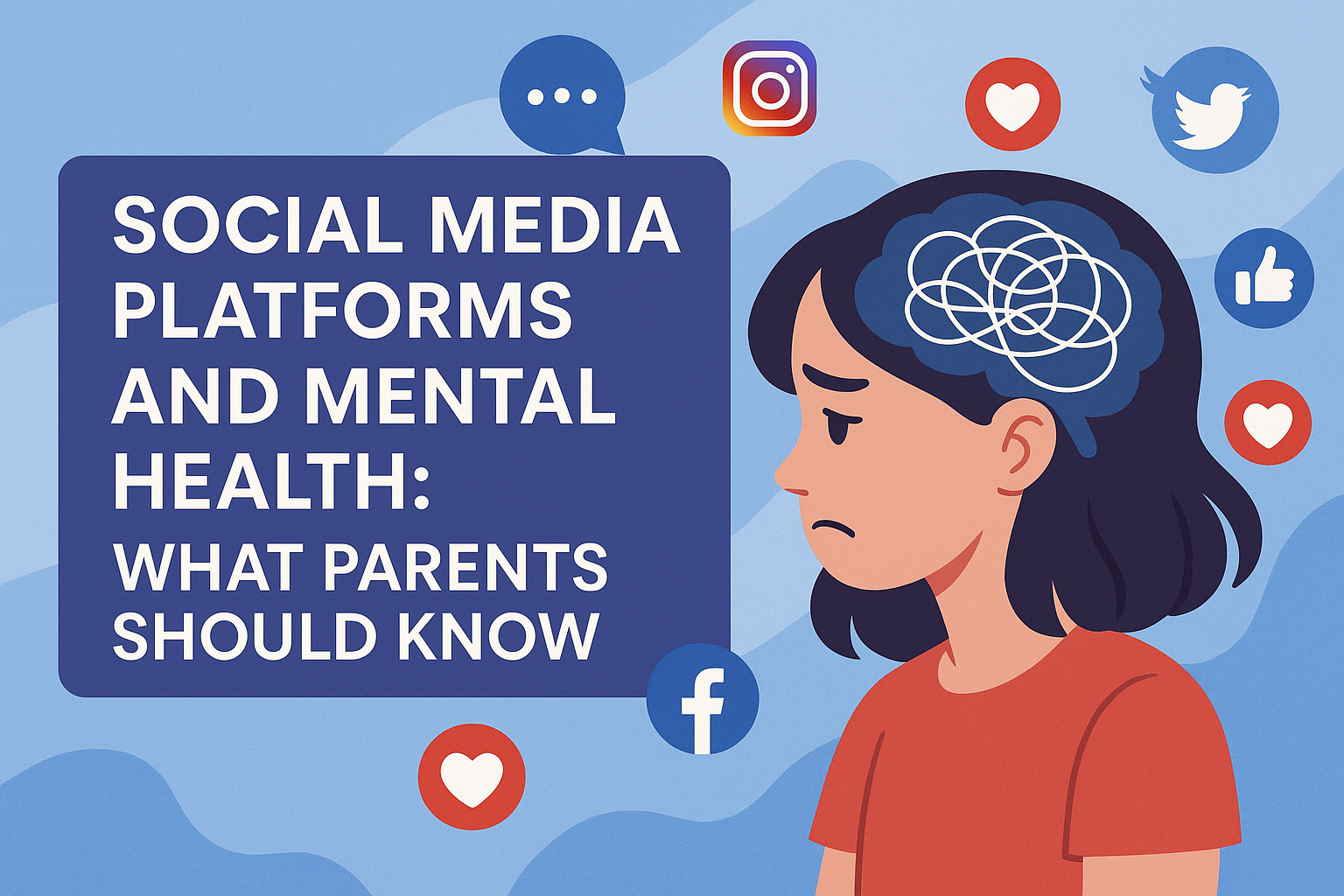
It was supposed to be a landmark moment, a legal showdown that could have fundamentally reshaped how we view the responsibility of tech giants for the mental well-being of young users. Instead, just days before it was set to begin, a high-profile lawsuit brought by a 15-year-old Florida boy against Meta — the behemoth behind Facebook and Instagram — was abruptly withdrawn. The plaintiff, identified only as R.K.C., had alleged that Meta’s social media platforms fueled his depression and anxiety, claims that resonate deeply with many parents grappling with the complex relationship between their kids and digital life. This withdrawal, coming on the cusp of a significant \”bellwether\” trial in Los Angeles, leaves a void, raising more questions than answers about the ongoing struggle to understand the true impact of social media platforms on mental health for parents and their children.
\n\n
The case wasn’t just about one teenager’s experience; it was a test case, designed to gauge the strength and viability of thousands of similar claims nationwide against social media companies. R.K.C.’s attorneys cited the immense strain of a protracted legal battle as the reason for pulling back. While the teen had reportedly reached confidential settlements with other major players like YouTube, TikTok, and Snap, Meta was quick to state that no payment was made in exchange for the dismissal of the claims against them. They maintain that their platforms are not responsible for the teen’s mental health issues, viewing the withdrawal as a vindication of their position. But for parents watching from the sidelines, this development simply underscores the difficulty of holding these powerful companies accountable, even as concerns about social media platforms’ mental health parents are feeling continue to mount. We covered childhood anxiety insights in more detail.
\n\n
The Bellwether That Wasn’t: A Glimpse into the Legal Landscape
\n\n
To understand the significance of this withdrawn lawsuit, you need to grasp the concept of a \”bellwether\” trial. In complex litigation involving numerous similar cases, a bellwether trial is chosen to test the waters. It’s like a pilot case, designed to give both sides — and the courts — an indication of how juries might respond to the evidence and arguments. The outcome of a bellwether trial often influences how the remaining cases are handled, potentially leading to widespread settlements or signaling that a particular legal strategy is unlikely to succeed. R.K.C.’s case against Meta was precisely this kind of trial, carrying immense weight for the entire legal field of social media liability.
\n\n
The fact that it was withdrawn just days before trial is, frankly, astounding. It suggests an extraordinary level of pressure and complexity. For the plaintiff’s legal team, the decision to withdraw likely wasn’t taken lightly. These cases are incredibly resource-intensive, demanding vast amounts of time, money, and emotional energy from the plaintiffs and their families. The prospect of an even longer, more arduous legal battle, especially against a corporation with Meta’s vast resources, can be daunting. While the settlements with YouTube, TikTok, and Snap indicate some acknowledgement of potential liability or simply a desire to avoid the cost and unpredictability of trial, Meta’s firm stance and the subsequent withdrawal without payment against them paints a different picture. It highlights the uphill battle individuals face when challenging tech giants, even when the personal stories of harm are compelling. This situation leaves many questions unanswered about the true legal culpability of social media platforms on mental health parents and their children face daily. (See: CDC on social media and mental health.)
\n\n
The Broader Context: A Wave of Litigation Against Tech Giants
\n\n
R.K.C.’s lawsuit isn’t an isolated incident; it’s part of a much larger, growing wave of litigation targeting social media companies. Across the United States, thousands of similar lawsuits have been filed by teenagers and their parents, all alleging that these platforms are designed to be addictive, exploit the developing brains of young people, and contribute to a range of mental health issues, including anxiety, depression, eating disorders, and even suicidal ideation. These cases often point to specific design features, like infinite scroll, notification systems, and algorithmic amplification of harmful content, as evidence of deliberate choices made by companies to maximize engagement, often at the expense of user well-being.
\n\n
The legal arguments often hinge on product liability theories, claiming that social media platforms are defective products that cause harm. There are also claims of negligence, alleging that companies failed in their duty to protect young users, and accusations of unfair and deceptive trade practices. The sheer volume of these lawsuits indicates a widespread societal concern that extends far beyond individual anecdotes. While the legal battles are complex and often face significant hurdles, including First Amendment protections and Section 230 of the Communications Decency Act (which typically shields platforms from liability for content posted by users), the pressure on social media companies is undeniable. This collective legal action reflects a deepening public apprehension about the pervasive influence of social media platforms on mental health parents are increasingly worried about.
\n\n
The Mental Health Crisis: What Parents Are Seeing
\n\n
Beyond the courtroom, the lived experience of countless families paints a stark picture. For many parents, the mental health challenges faced by their children in the age of social media are not theoretical; they are daily realities. We’re talking about teens who spend hours scrolling, comparing themselves to curated, often unrealistic, online personas. We’re talking about the relentless pressure to maintain a certain image, to chase likes and followers, and the crushing disappointment when that validation doesn’t materialize. The digital world has created new avenues for bullying, social exclusion, and the dissemination of harmful content, all of which can severely impact a young person’s self-esteem and emotional stability. impact of violence on kids offers useful background here.
\n\n
Consider the insidious nature of algorithmic feeds. They’re designed to keep you engaged, showing you more of what you already interact with. For a teen struggling with body image, this might mean an endless stream of diet culture content. For a teen feeling isolated, it could be an amplification of content that reinforces negative thoughts. It’s a feedback loop that can be incredibly difficult to break free from. Anecdotally, pediatricians, therapists, and educators are reporting an uptick in anxiety, depression, and social withdrawal among adolescents, and many are pointing fingers directly at the pervasive use of social media. The data, while still being rigorously studied, also suggests a correlation between heavy social media use and poorer mental health outcomes in young people. This isn’t just about screen time; it’s about the quality of that time and the psychological impact of the content and interactions. Understanding the nuances of social media platforms mental health parents need to prioritize is critical for guiding their children through these formative years. (See: NIMH statistics on mental illness.)
\n\n
Platform Differences: Not All Social Media Is Created Equal
\n\n
While we often lump all social media under one umbrella, it’s crucial for parents to understand that different platforms have distinct characteristics and, consequently, different impacts on mental health. R.K.C.’s settlements with YouTube, TikTok, and Snap, alongside his lawsuit against Meta, hint at this differentiation. Let’s break down some of the key players:
\n\n
- \n
- Meta (Instagram, Facebook): Instagram, in particular, has long been scrutinized for its emphasis on visual perfection and curated lifestyles. The constant barrage of filtered images and highlight reels can foster intense social comparison, leading to feelings of inadequacy, envy, and body dissatisfaction. Facebook, while perhaps less of a draw for younger teens, still presents issues related to information overload and potential exposure to misinformation.
- TikTok: This short-form video platform thrives on trends, viral challenges, and rapid content consumption. While it can be a source of creativity and entertainment, its highly addictive algorithm can lead to endless scrolling. The pressure to go viral, participate in challenges, and keep up with fleeting trends can create significant stress and anxiety. There’s also the concern about exposure to inappropriate or harmful content that can quickly spread.
- Snapchat: Known for its disappearing messages and filters, Snapchat can foster a sense of immediacy and playful interaction. However, the ephemeral nature of content can also lead to impulsivity and a lack of careful consideration before sharing. The pressure to maintain Snap Streaks can create a sense of obligation and anxiety about missing out, while filters, though fun, can subtly reinforce unrealistic beauty standards.
- YouTube: While often seen as an entertainment platform, YouTube also functions as a social network. For teens, it’s a hub for influencers, vlogs, and niche communities. The potential for passive consumption, exposure to advertising, and the rabbit hole effect of recommended videos can be a concern. However, it also offers educational content and opportunities for creative expression.
\n
\n
\n
\n
\n\n
Each platform has its own unique ecosystem of risks and rewards. Acknowledging these differences helps parents tailor their approach, understanding where specific dangers might lie and how to mitigate them. It’s not about a blanket ban, but about informed engagement, recognizing the distinct ways social media platforms affect mental health for parents and their children.
\n\n
Practical Strategies for Parents: Navigating the Digital Minefield
\n\n
So, given the complexities and the challenges, what’s a parent to do? While the legal system continues to grapple with accountability, parents are on the front lines, trying to protect their children’s mental well-being in an increasingly digital world. Here are some actionable strategies for parents to navigate the impact of social media platforms on mental health:
\n\n
- \n
- Open Communication is Key: Start early and keep the lines of communication open. Talk to your children about their online experiences, what they see, how it makes them feel, and any negative interactions they might have. Create a safe space where they feel comfortable sharing without fear of judgment or immediate punishment (like having their phone confiscated).
- Set Clear Boundaries and Expectations: Work together to establish rules for social media use, including screen time limits, designated tech-free zones (like bedrooms and dinner tables), and appropriate content. Use parental control tools where helpful, but also emphasize self-regulation and digital literacy.
- Model Healthy Digital Habits: Children learn by example. If you’re constantly glued to your phone, they’re likely to follow suit. Be mindful of your own screen time, put your phone away during family time, and demonstrate a balanced approach to technology.
- Teach Digital Literacy and Critical Thinking: Help your children understand that what they see online isn’t always real. Discuss the curated nature of feeds, the use of filters, and the potential for misinformation. Encourage them to question what they see and to be discerning consumers of digital content.
- Encourage Offline Activities: Ensure your child has a rich life outside of screens. Promote hobbies, sports, creative pursuits, and face-to-face social interactions. A balanced life with diverse interests can act as a buffer against the negative impacts of excessive online engagement.
- Understand Privacy Settings and Online Safety: Teach your children how to manage their privacy settings, understand the implications of sharing personal information, and recognize the dangers of online predators or cyberbullying. Emphasize that once something is online, it’s often there forever.
- Monitor and Engage (Respectfully): Depending on your child’s age and maturity, consider periodically reviewing their social media activity. This doesn’t mean constant surveillance, but rather an occasional check-in to ensure their safety and well-being. Engage with them about the content they’re consuming and creating.
- Seek Professional Help When Needed: If you notice significant changes in your child’s mood, behavior, sleep patterns, or academic performance that seem linked to social media use, don’t hesitate to seek help from a pediatrician, therapist, or school counselor. Mental health professionals can provide guidance and support.
\n
\n
\n
\n
\n
\n
\n
\n
\n\n
It’s an ongoing effort, not a one-time fix. The digital landscape is constantly evolving, and so too must our strategies as parents. The key is to remain engaged, informed, and proactive in supporting our children’s mental well-being in this complex environment. (See: AP News on social media lawsuits.)
\n\n
The Path Forward: Beyond Litigation to Systemic Change
\n\n
While the withdrawal of R.K.C.’s lawsuit against Meta is a significant development, it’s far from the end of the conversation. The underlying concerns about social media platforms and mental health for parents and their children remain as pressing as ever. This individual legal battle may have concluded for R.K.C., but the broader societal and legal reckoning with tech companies is only just beginning. We’re seeing increasing calls for legislative action, with lawmakers on both sides of the aisle expressing concerns about child safety and mental health online. Ideas like age verification, stricter data privacy laws for minors, and mandates for more transparent algorithms are gaining traction.
\n\n
Furthermore, tech companies themselves are facing immense public and political pressure to implement changes. Some platforms have introduced features like time management tools, “take a break” reminders, and stricter content moderation policies, though critics often argue these measures don’t go far enough. The conversation needs to shift from solely individual responsibility to systemic accountability. It’s not enough to tell kids to put down their phones if the platforms themselves are engineered to be maximally addictive and potentially harmful. The challenge lies in finding a balance between fostering innovation and protecting vulnerable users, especially children and adolescents. This ongoing dialogue, fueled by research, parent advocacy, and continued legal scrutiny, will hopefully pave the way for a digital environment that prioritizes well-being over endless engagement, creating a healthier future for the next generation. Related reading: early social media exposure pros and cons.
“}
“`
Trending Now
Frequently Asked Questions
How does social media affect mental health in teenagers?
Social media can significantly impact mental health in teenagers, contributing to issues like depression and anxiety. Research indicates that excessive use can lead to feelings of inadequacy and isolation, especially when teens compare themselves to others online.
What should parents know about the risks of social media?
Parents should be aware that social media can expose their children to cyberbullying, unrealistic expectations, and addictive behaviors. It's vital for parents to engage in open discussions with their kids about their online experiences and mental health.
What actions can parents take to protect their children on social media?
Parents can protect their children by setting boundaries on social media usage, monitoring their online interactions, and encouraging healthy habits. Open communication about the potential risks and fostering a supportive environment can also help mitigate negative effects.
Are social media companies responsible for users' mental health?
The question of responsibility is complex. While some lawsuits suggest that companies like Meta contribute to mental health issues, these platforms argue that they are not liable for individual users' mental health problems. The debate continues as more cases arise.
What legal actions have been taken against social media platforms regarding mental health?
There have been several legal actions against social media platforms, including high-profile lawsuits claiming these companies contribute to mental health issues in young users. However, many cases, like the recent one involving a Florida teenager, have been withdrawn before trial.
Have you experienced this yourself? We'd love to hear your story in the comments.