
Introduction:
Solar energy is steadily gaining traction as an alternative, renewable power source in today’s environmentally conscious world. Within any solar panel system, you will find one unsung hero that takes on a crucial role in ensuring the efficient flow of solar-generated electricity – the solar inverter! This article sheds light on this indispensable component.
What is a Solar Inverter?
A solar inverter is an electronic device that transforms the direct current (DC) generated by solar panels into alternating current (AC), which can be used by household appliances or fed back into the grid. In essence, it allows us to harness the power of sun effectively and transmit the energy derived from solar panels into usable electricity.
Why Are Solar Inverters Important?
1. Compatibility: Solar panels produce DC electricity, while our homes and business establishments typically use AC electricity since it is more accessible and easier to transmit over long distances. Solar inverters bridge this gap, making solar energy compatible with our daily needs.
2. Optimization: Besides converting DC to AC, inverters are tasked with maximizing the efficiency of the entire solar system by tracking the maximum power point continuously. This ensures that the system provides an optimal performance, compensating for varying weather conditions and environmental factors.
3. Communication: Modern inverters often come with monitoring features that enable users to track their system performance remotely and receive necessary alerts on potential issues or malfunctions within their solar installation.
Types of Solar Inverters
1. String Inverters: Also known as centralized inverters, they are connected to multiple strings of solar panels under a single system. They offer simple installation and ease of maintenance at lower costs but may be susceptible to losses from shading.
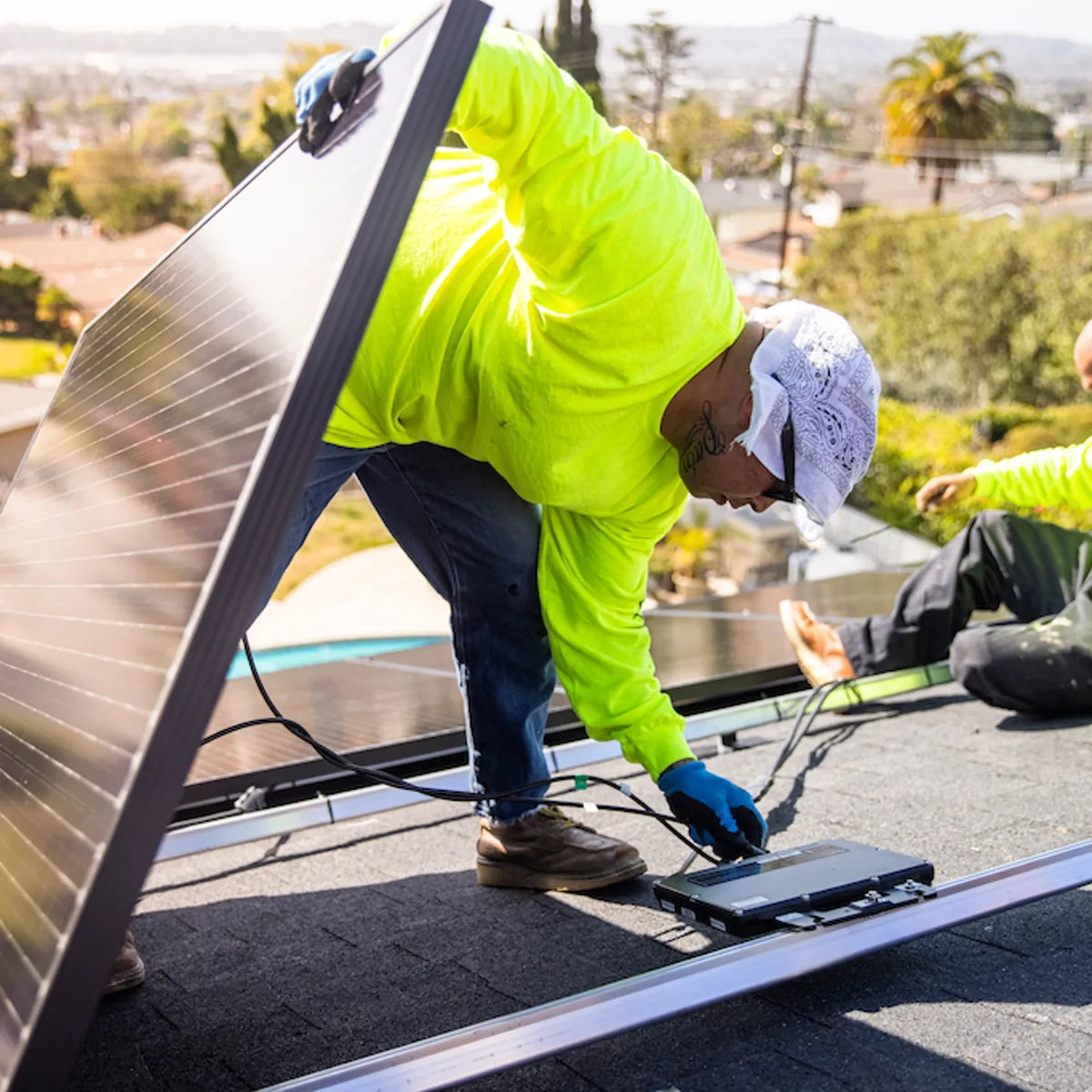
2. Microinverters: Installed per panel rather than one large centralized inverter, they operate individually for each panel, ensuring minimal impact from shading or debris on overall output. They perform well in challenging installations or when dealing with the complicated architecture of roofs.
3. Power Optimizers: This hybrid system combines the advantages of string inverters and microinverters, utilizing a power optimizer for each panel in combination with a centralized inverter. It combines high efficiency with lower costs while enabling remote monitoring.
4. Off-grid Inverters: These inverters find use primarily in remote or standalone installations which need to store solar-generated electricity in batteries for later use, as they are intended to manage battery charging and discharging.
5. Hybrid Inverters: These inverters are ideal for systems that combine solar energy with an additional power source such as the grid, backup generators, or even other renewable sources like wind turbines.
Conclusion
Understanding the importance of solar inverters and their various types is essential when planning a solar panel system. Regardless of the size or structure of your system, a well-designed solar installation relies heavily on its inverter to optimize performance and ensure seamless integration with the pre-existing power supply. As such, always prioritize research and investment when choosing an appropriate solar inverter for your specific needs.