
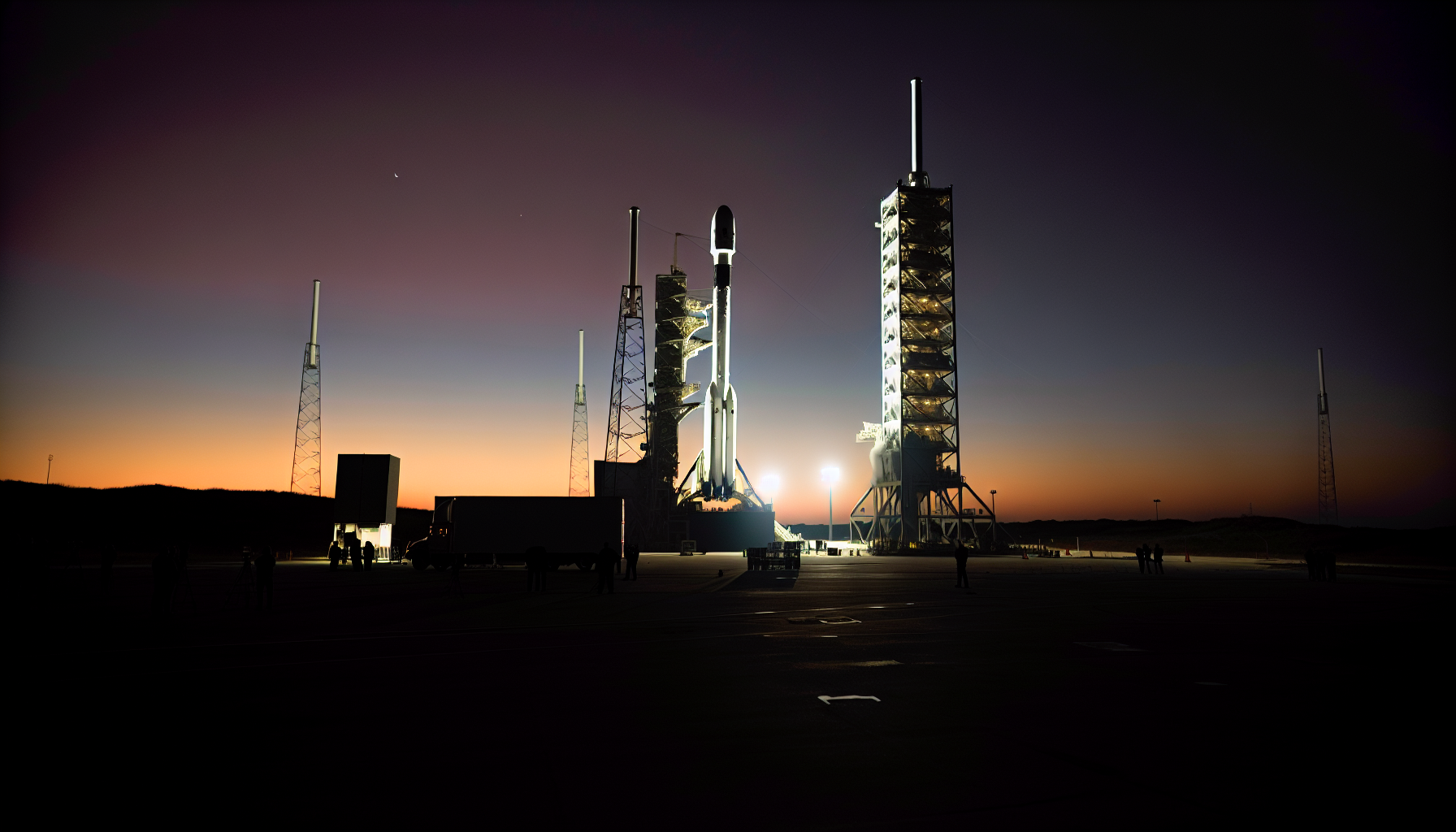

On March 30, 2026, SpaceX is set to embark on a significant mission with its Falcon 9 rocket, targeting a liftoff from Vandenberg Space Force Base in California. This launch, part of the Transporter-16 rideshare mission, aims to deploy an impressive 119 satellites into low-Earth orbit (LEO), further solidifying SpaceX’s role as a leader in the commercial space industry.
The Transporter Series: A Game Changer for Satellite Deployment
The Transporter series has been a cornerstone of SpaceX’s strategy to make satellite deployment more accessible and cost-effective. Since its inception, this series has facilitated the launch of numerous satellites for a wide array of customers, including commercial enterprises, government agencies, and educational institutions. The upcoming Transporter-16 mission is expected to continue this trend, providing an efficient platform for various organizations to place their payloads into orbit.
Understanding the Falcon 9 Rocket
The Falcon 9 rocket, designed and manufactured by SpaceX, is a two-stage launch vehicle that has become synonymous with reliability and innovation in the aerospace sector. It is equipped with nine Merlin engines on its first stage, which provide the thrust needed to lift payloads into space. The rocket’s ability to return to Earth and be reused multiple times is a significant factor in reducing the costs associated with space travel.
- First Stage: The Falcon 9’s first stage is designed to return to the launch site or a drone ship after separation, allowing it to be refurbished and reused for future missions.
- Second Stage: The second stage is responsible for delivering payloads to their intended orbits. It ignites after the first stage has completed its burn and separated from the rocket.
- Payload Capacity: The Falcon 9 can carry up to 22,800 kg (50,265 lbs) to LEO, making it one of the most capable rockets in its class.
Significance of the 119 Satellites
The 119 satellites set for deployment during the Transporter-16 mission represent a diverse range of applications, from communication and Earth observation to scientific research and technology demonstrations. This mission is poised to enhance global satellite constellations, enabling improved connectivity and data collection across various sectors.
Commercial and Government Partnerships
SpaceX’s rideshare missions attract a broad spectrum of customers, including small satellite operators and larger corporations. By consolidating multiple payloads into a single launch, SpaceX not only reduces costs for these entities but also streamlines the logistics of satellite deployment. This collaborative approach fosters innovation and growth within the aerospace industry.
- Small Satellite Operators: Many startups and smaller companies rely on rideshare missions to access space without the exorbitant costs of a dedicated launch.
- Established Corporations: Larger companies are also taking advantage of the rideshare model, further diversifying their satellite fleets and capabilities.
- Government Agencies: Various government entities utilize rideshare missions to deploy satellites for national security, research, and environmental monitoring.
The Future of Satellite Constellations
The launch of 119 satellites is not just a one-off event; it represents a broader trend in the development of satellite constellations. These constellations are networks of satellites working in tandem to provide global coverage for services such as broadband internet, remote sensing, and navigation. The successful deployment of these satellites will contribute to the advancement of technologies that rely on real-time data and connectivity.
Impact on Global Connectivity
The increasing number of satellites in low-Earth orbit is transforming the landscape of global connectivity. With enhanced satellite constellations, areas that previously lacked reliable internet access can now benefit from improved connectivity. This expansion is crucial for rural and underserved communities, enabling them to participate in the digital economy.
Challenges and Considerations
While the advancements in satellite technology and deployment are promising, they are not without challenges. The growing number of satellites in LEO raises concerns about space debris and collision risk. Ensuring the safety and sustainability of space operations is a priority for SpaceX and the broader space community.
Space Debris Management
As more satellites are launched, the potential for collisions increases, leading to the creation of space debris. To address this issue, SpaceX and other organizations are implementing measures to mitigate the risk. These include:
- End-of-Life Plans: Satellites are designed with deorbiting plans to ensure they re-enter the Earth’s atmosphere safely at the end of their operational lives.
- Collision Avoidance: Operators constantly monitor satellite positions and make adjustments to avoid potential collisions.
- Regulatory Compliance: Collaborating with regulatory bodies to establish guidelines and standards for satellite launches and operations.
Looking Ahead: The Role of SpaceX in the Future of Space Exploration
As SpaceX prepares for the Transporter-16 mission, the company continues to push the boundaries of what is possible in space exploration and satellite deployment. With a commitment to innovation and sustainability, SpaceX is not only revolutionizing access to space but also setting the stage for future endeavors in the realm of interplanetary exploration and beyond.
The upcoming Falcon 9 launch on March 30, 2026, is more than just a routine mission; it symbolizes the relentless progression of technology and the growing importance of satellites in our daily lives. As we look to the stars, SpaceX remains at the forefront, making space more accessible for everyone.






