

“`html
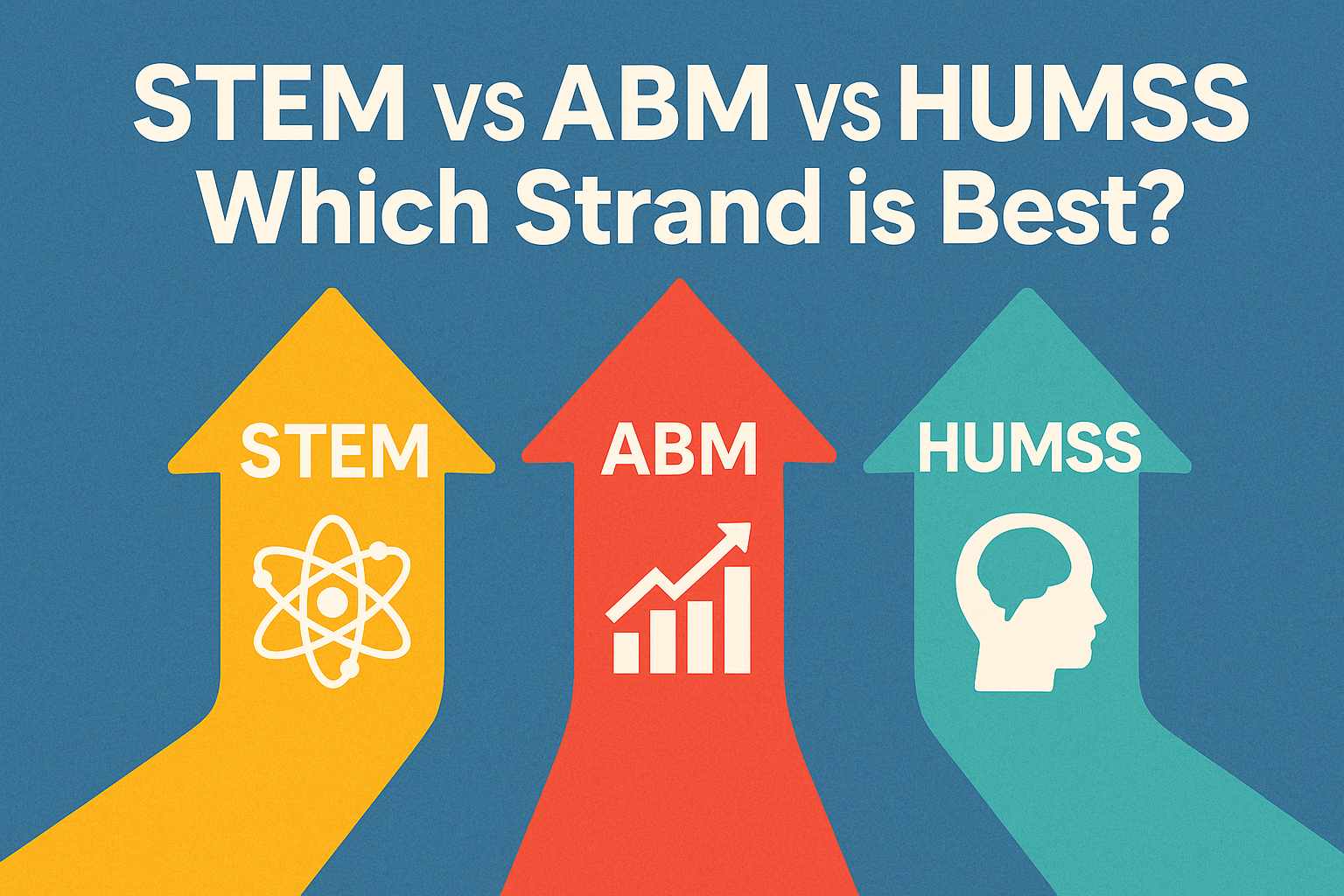
Choosing a career path can be daunting, especially when faced with numerous academic strands in high school. Among these, STEM, ABM, and HUMSS stand out as popular choices, each catering to different interests and career goals. Understanding the nuances of STEM vs ABM vs HUMSS can greatly influence your academic journey and subsequent career. This article will delve into the characteristics, advantages, and potential career paths of each strand, helping you make an informed decision.
1. Understanding STEM: Science, Technology, Engineering, and Mathematics
The STEM strand focuses on subjects related to science, technology, engineering, and mathematics. This strand is designed for students who have a keen interest in scientific inquiry and technological advancements. It emphasizes analytical thinking, problem-solving, and quantitative skills. The curriculum typically includes rigorous courses in physics, chemistry, biology, advanced mathematics, and computer science. For more on this, see $300k grant for women.
One of the main advantages of pursuing a STEM education is the vast array of career opportunities it offers. Fields such as medicine, engineering, environmental science, data analysis, and information technology are just a few examples of potential career paths. Furthermore, the demand for STEM professionals continues to grow, with many industries facing workforce shortages. According to the U.S. Bureau of Labor Statistics, jobs in STEM fields are projected to grow significantly over the next decade, making this strand increasingly relevant in today’s job market.
2. ABM: Accountancy, Business, and Management
The ABM strand is tailored for students interested in the financial and business sectors. It encompasses subjects such as accountancy, business management, economics, and finance. This strand prepares students for various roles in the business world, including management, entrepreneurship, and finance. Students learn essential skills such as financial literacy, analytical thinking, and strategic decision-making.
Career-wise, the ABM strand opens doors to numerous opportunities in areas like accounting, banking, marketing, and business administration. The skills acquired through this strand are valuable not only in corporate environments but also for those aspiring to start their own businesses. In a rapidly changing economy, the principles learned in ABM are vital for navigating the complexities of modern business.
3. HUMSS: Humanities and Social Sciences
The HUMSS strand is designed for students with a passion for the humanities and social sciences. It includes subjects like psychology, sociology, literature, and history. This strand aims to develop critical thinking, communication skills, and cultural awareness. Students engaged in HUMSS often explore how societies function, how individuals interact, and the importance of human experiences.
Pursuing a HUMSS education can lead to a variety of career paths, including education, social work, journalism, and public relations. The skills developed through this strand are essential in understanding human behavior and societal dynamics, making HUMSS graduates uniquely qualified for roles in counseling, teaching, and community outreach. As societies grow more complex, the relevance of social sciences becomes increasingly apparent.
4. Comparing Key Aspects: Curriculum and Skills Developed
When looking at STEM vs ABM vs HUMSS, it’s essential to consider the differences in curriculum and the skills each strand fosters. STEM students engage heavily with quantitative and analytical coursework, honing skills necessary for technical fields. In contrast, ABM students focus on practical business and accounting principles, equipping them with skills for managing finances and understanding market dynamics. (See: U.S. Bureau of Labor Statistics on STEM careers.)
On the other hand, HUMSS students cultivate soft skills such as critical thinking, empathy, and communication. These skills are vital in careers that require interaction with diverse populations. Each strand serves distinct audiences and career trajectories, making it crucial for students to reflect on their interests and future aspirations when choosing a path.
5. Career Prospects: Opportunities After Graduation
As you weigh your options between STEM vs ABM vs HUMSS, it’s important to consider the career prospects associated with each strand. STEM graduates are often among the highest earners given the high demand for professionals in technology and engineering fields. For instance, the median annual wage for computer and information technology occupations was $93,710 in 2020, according to the U.S. Bureau of Labor Statistics.
In comparison, ABM graduates can also secure lucrative positions, particularly in finance and management. The median annual wage for financial analysts was approximately $83,660 in 2020. Meanwhile, while HUMSS graduates may not always command the same starting salaries, they benefit from a diverse range of career options in social services and education, fields that are equally critical to societal health and development.
6. Current Trends: The Evolving Landscape of Education and Employment
The landscape of education and employment is constantly evolving, and recent trends highlight the importance of adaptability among graduates from all strands. For STEM graduates, emerging technologies like artificial intelligence and machine learning are reshaping career paths, creating both opportunities and challenges. ABM graduates are finding themselves at the forefront of digital transformation in business, necessitating a strong grasp of technology alongside traditional business skills.
HUMSS graduates are increasingly relevant in discussions about social justice, mental health, and community engagement. Current global issues such as climate change and inequality require insights from social sciences, making HUMSS professionals crucial in shaping policies and social programs. As the world continues to change, the skills learned in each strand will be valuable in addressing complex issues.
7. Making the Choice: What Should You Consider?
When deciding between STEM vs ABM vs HUMSS, consider your interests, strengths, and career aspirations. Do you enjoy solving complex problems and engaging with data? If so, a STEM path may align with your skills. If you’re interested in the business world and financial management, ABM might be your best bet. Conversely, if you find social issues and human behavior compelling, HUMSS could be the perfect fit. (Revolutionizing STEM education)
It’s also wise to think about job stability and future trends in employment. Research industries that are growing and align with your chosen strand, as this can provide additional motivation and reassurance as you embark on your educational journey.
8. FAQ: Frequently Asked Questions About STEM, ABM, and HUMSS
What are the core subjects in STEM?
Core subjects in STEM include physics, chemistry, biology, advanced mathematics, and computer science. Some programs may also include courses in engineering and technology. There’s a fuller look at Effectiveness of STEM for women.
Can you switch strands after high school?
Yes, many students switch strands after high school, especially if they discover new interests or career goals. However, switching may require additional coursework depending on the field you wish to enter. (See: National Science Foundation definition of STEM.)
Are there scholarships available for STEM, ABM, and HUMSS students?
Yes, many organizations and institutions offer scholarships specifically for students pursuing STEM, ABM, or HUMSS. Research local and national scholarships that align with your chosen strand.
What types of jobs can HUMSS graduates pursue?
HUMSS graduates can work in various fields, including education, social work, journalism, public relations, and research. The skills gained in HUMSS are applicable to many professions that require understanding human behavior and societal dynamics.
Which strand has better job security?
STEM graduates typically experience higher job security due to the ongoing demand for skilled professionals in technology and engineering. However, ABM graduates also enjoy solid job prospects in business and finance, while HUMSS graduates can find fulfilling roles in education and social services.
How can I prepare for a career in my chosen strand?
To prepare for a career in your chosen strand, engage in extracurricular activities related to that field, seek internships or part-time jobs, and focus on building relevant skills. Networking with professionals and seeking mentorship opportunities can also provide valuable insights.
9. Real-World Applications of Each Strand
Understanding how each academic strand applies to real-world scenarios can help students appreciate their educational choices. In the STEM field, projects such as renewable energy innovations and advancements in medical technology showcase the tangible impact of STEM education. Students might find inspiration through initiatives like NASA’s Mars exploration or breakthroughs in genetic engineering.
On the ABM side, the rise of entrepreneurship, especially among young adults, is a testament to the relevance of business education. Many successful startups have emerged from ABM graduates who utilized their skills in finance, marketing, and management to launch their businesses. Additionally, the application of blockchain technology in finance illustrates how critical understanding ABM principles can be in modern monetary transactions.
For HUMSS students, the application of their studies can be seen in community organizing and advocacy work. Graduates often engage in projects that address local issues, whether through non-profits addressing homelessness or educational programs aimed at underprivileged communities. The skills gained in HUMSS are essential for fostering social change and improving the quality of life for individuals.
10. Future Outlook: The Importance of Lifelong Learning
Regardless of the path you choose, embracing lifelong learning is crucial in today’s job market. Industries are rapidly evolving, and staying updated on trends and developments can enhance your employability. For STEM professionals, this could mean pursuing certifications in new technologies. ABM graduates might consider continuing education in digital marketing or data analytics, while HUMSS graduates can benefit from workshops on social issues and community engagement. (See: Research on STEM education from ScienceDirect.)
In essence, the choice between STEM vs ABM vs HUMSS is just the beginning of a lifelong journey of learning and development. As you navigate through your academic and professional life, remain open to new opportunities and experiences that can enrich your knowledge and skills.
11. Your Path Awaits
Ultimately, the decision between STEM vs ABM vs HUMSS is deeply personal and should reflect your interests and career goals. Each strand offers unique advantages and potential rewards, and understanding these can help you carve out a fulfilling academic and professional path. As you consider your options, remember that the journey is as important as the destination, and choosing a strand that resonates with you will set the stage for success in your future endeavors.
12. Expert Perspectives on Career Choices
Many educators and career advisors emphasize the importance of matching your personal interests and values with your academic choices. According to Dr. Maria Santos, an education specialist, “Students should prioritize their passions over perceived societal expectations. While STEM fields are crucial for future job markets, students who excel in the humanities often bring creativity and empathy that can drive change in all industries.” This sentiment echoes in the increasing recognition of interdisciplinary approaches in education, where blending skills from different strands can lead to innovative solutions in various fields.
13. Statistics on Graduate Outcomes
A recent study by the National Center for Education Statistics highlighted that STEM graduates had a 70% employment rate within six months of graduation, while ABM graduates followed closely with a 65% rate. HUMSS graduates demonstrated a 60% employment rate, but many of them pursued further education or specialized training, which is increasingly common in fields like social work and education. These statistics illustrate that while all three strands offer valuable career opportunities, pathways may differ in terms of immediate employment versus long-term professional development.
14. Connecting with Professionals in Your Chosen Field
Networking is a vital component of building a successful career. Students are encouraged to attend local industry events, workshops, and seminars related to their strand. Connecting with professionals who are already established in their fields can provide insights that textbooks may not cover. For instance, STEM students can benefit from tech meetups or hackathons, while ABM students might find value in entrepreneurship fairs. HUMSS students can engage with community leaders or attend social justice conferences to understand their potential roles better. New STEM research center offers useful background here.
“`
Trending Now
Frequently Asked Questions
What is the difference between STEM, ABM, and HUMSS strands?
STEM focuses on science, technology, engineering, and mathematics, emphasizing analytical and problem-solving skills. ABM is centered around accountancy, business management, and finance, preparing students for business-related careers. HUMSS, or Humanities and Social Sciences, explores subjects like psychology, literature, and sociology, catering to those interested in societal issues and human behavior.
Which strand has the best career opportunities?
STEM offers a wide range of career opportunities, particularly in high-demand fields like engineering, medicine, and technology. ABM also provides strong career prospects in business and finance. The best choice depends on your interests and career goals, as each strand leads to different professional paths.
Is STEM strand worth it?
Yes, pursuing a STEM education is often considered worthwhile due to the growing demand for professionals in science and technology fields. With a projected increase in job opportunities, a STEM background can lead to lucrative careers and advancements in various industries.
What subjects are included in the ABM strand?
The ABM strand includes subjects such as accountancy, business management, economics, and finance. These courses prepare students for careers in various business sectors, equipping them with essential skills for management, entrepreneurship, and financial analysis.
What careers can I pursue with a HUMSS strand?
Students from the HUMSS strand can pursue careers in education, social work, psychology, law, and communication. This strand prepares individuals for roles that involve understanding human behavior, societal issues, and effective communication, making it suitable for those interested in the humanities and social sciences.
What's your take on this? Share your thoughts in the comments below — we read every one.



