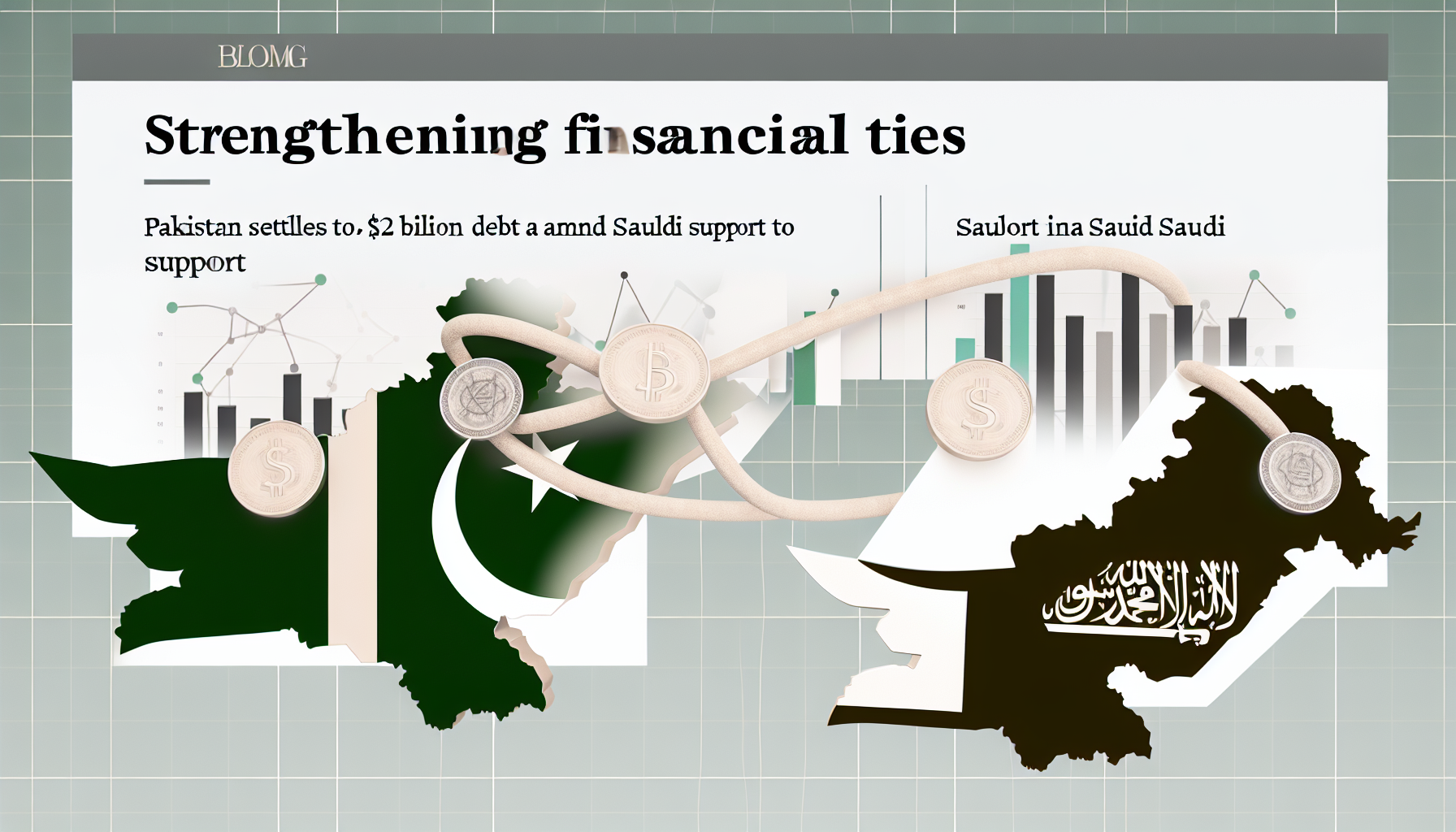

In a crucial financial maneuver, Pakistan has successfully repaid a significant $2 billion debt owed to the United Arab Emirates (UAE). This announcement from the State Bank of Pakistan (SBP) marks a notable step in the country’s financial recovery strategy as it navigates through challenging economic conditions.
Debt Clearance: A Strategic Move
The repayment of the $2 billion to the UAE is not just a financial obligation being met; it symbolizes Pakistan’s commitment to stabilizing its economic landscape. The SBP spokesperson confirmed the transaction, indicating a strong financial coordination effort between Pakistan and its Gulf partners.
This development comes at a critical juncture for Pakistan, as the nation continues to grapple with external debt pressures and strives to enhance its foreign exchange reserves. The swift clearance of this debt is a testament to Pakistan’s strategic planning in managing its liabilities and maintaining its credibility on the international stage.
Saudi Arabia’s Financial Support
In tandem with the debt clearance, Pakistan also benefits from a recent financial arrangement with Saudi Arabia. The Kingdom has extended a $3 billion deposit into Pakistan’s central bank reserves, of which $2 billion is already deposited as part of a broader financial support package aimed at bolstering Pakistan’s economy.
This financial support from Saudi Arabia is structured as a safe deposit arrangement, which not only aids Pakistan in improving its liquidity but also reflects the enduring ties between the two nations. The Saudi deposit is intended to provide a buffer for Pakistan’s foreign reserves, which have faced significant pressures.
Implications for Pakistan’s Economy
The dual developments of clearing UAE debt and securing Saudi financial support are significant for Pakistan’s economic landscape. They come against the backdrop of ongoing challenges including inflation, currency depreciation, and a rising current account deficit.
- Foreign Exchange Reserves: The immediate impact of these transactions will be seen in Pakistan’s foreign exchange reserves, which are crucial for stabilizing the national currency and managing import bills.
- Debt Management: Clearing the $2 billion debt reduces the burden of external liabilities, allowing the government more flexibility in fiscal management.
- Investor Confidence: Such financial maneuvers may boost investor confidence, signaling that Pakistan is taking proactive steps to address its financial obligations.
Regional Financial Cooperation
Pakistan’s financial strategies are increasingly shaped by its relationships with regional allies. The support from the UAE and Saudi Arabia highlights the importance of regional cooperation in addressing economic challenges.
Historically, both countries have played vital roles in Pakistan’s economy, providing assistance during times of need. This latest round of financial support underscores the deep-rooted economic ties that exist in the region.
Future Prospects
Looking ahead, Pakistan faces the task of translating these financial arrangements into tangible economic recovery. The government will need to implement policies that foster sustainable growth and enhance resilience against external shocks.
Key areas for focus include:
- Economic Reforms: Structural reforms are essential to enhance productivity and economic diversification.
- Investment Climate: Improving the business environment will attract foreign direct investment, crucial for long-term economic stability.
- Trade Relations: Strengthening trade ties with neighbor countries could provide new avenues for economic growth.
Conclusion
The recent repayment of the $2 billion debt to the UAE and the securing of a $3 billion deposit from Saudi Arabia are pivotal developments for Pakistan as it strives to stabilize its economy. These actions reflect not only a commitment to fiscal responsibility but also the vital role of regional partnerships in overcoming economic challenges.
As Pakistan navigates its path forward, leveraging these financial arrangements will be crucial in building a resilient economy capable of withstanding future challenges. The collaboration with Gulf partners is indicative of a supportive network that can help Pakistan in its time of need, fostering a hopeful outlook for the nation’s economic future.