
Introduction
Transitions and transfers between schools represent a significant challenge for educators, administrators, and students alike. As students enter new environments, they must adapt to different academic expectations, social dynamics, and learning cultures. To ensure a smoother transition and promote academic success, it is crucial that schools implement effective strategies that support the development of students as they move from one educational setting to another. One such strategy that has proven to be valuable is the use of classroom dialogue.
The Power of Classroom Dialogue
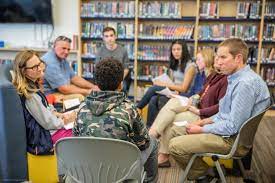
Classroom dialogue refers to open conversations and discussions between students and teachers or among students themselves. It is a pedagogical practice that promotes critical thinking, active listening, and problem-solving while fostering an inclusive environment in which all participants’ voices are heard. In the context of transitions and transfers between schools, classroom dialogue can boost confidence, enhance learning retention, and build connections between students.
Benefits of Classroom Dialogue during Transitions
1. Encouraging Open-mindedness: Transitioning students are exposed to new ideas, perspectives, and challenges when they enter a new school. Engaging in classroom dialogue allows them to approach these new experiences with an open mind by encouraging them to consider alternative viewpoints.
2. Building Positive Relationships: Classroom dialogue creates opportunities for students to get to know their peers and teachers more intimately. As they share experiences and ideas with one another, they can form stronger bonds that make the transition easier.
3. Developing Communication Skills: Students who actively participate in meaningful classroom discussions develop vital communication skills such as active listening, empathy, and effective expression of ideas. These competencies help them not only in their academic pursuits but also in future careers or social situations.
4. Enhancing Academic Performance: Research shows that constructive classroom dialogue positively influences students’ academic achievement by connecting prior knowledge with newly acquired information. This reinforces learning retention while supporting students in making connections across subjects or disciplines.
Strategies for Promoting Classroom Dialogue during Transitions
1. Establish a Safe and Inclusive Space: To encourage engagement and meaningful conversation, it is essential to create an environment where students feel comfortable speaking and sharing their ideas. Develop norms and guidelines that promote respect, active listening, and support for diverse opinions.
2. Use Thought-provoking Questions: Asking open-ended questions that require students to reflect deeply on the subject matter serves as an excellent starting point for class dialogue. Avoid leading questions or those that can be answered with a simple “yes” or “no.”
3. Encourage Collaborative Group Work: Encourage students to work together on group projects or activities, assigning specific roles that prompt them to communicate their ideas and learn from one another.
4. Build Upon Students’ Thoughts: When students share their opinions in classroom discussions, acknowledge and validate their contributions by affirming their ideas, asking them to expand further, or connecting their thoughts to others’ responses.
5. Provide Ample Opportunities for Reflection and Feedback: Regularly ask transitioning students how they are coping during their adjustment period. Offer constructive feedback on how they engage in classroom dialogue and suggest ways they can enhance their participation.
Conclusion
Fostering classroom dialogue presents tremendous potential for strengthening transition and transfer processes between schools by promoting collaboration, critical thinking, and inclusivity. By implementing strategies that encourage open discussion and reflection, teachers can support transitioning students in navigating new academic landscapes while better equipping them for lifelong learning endeavors.