

“`html
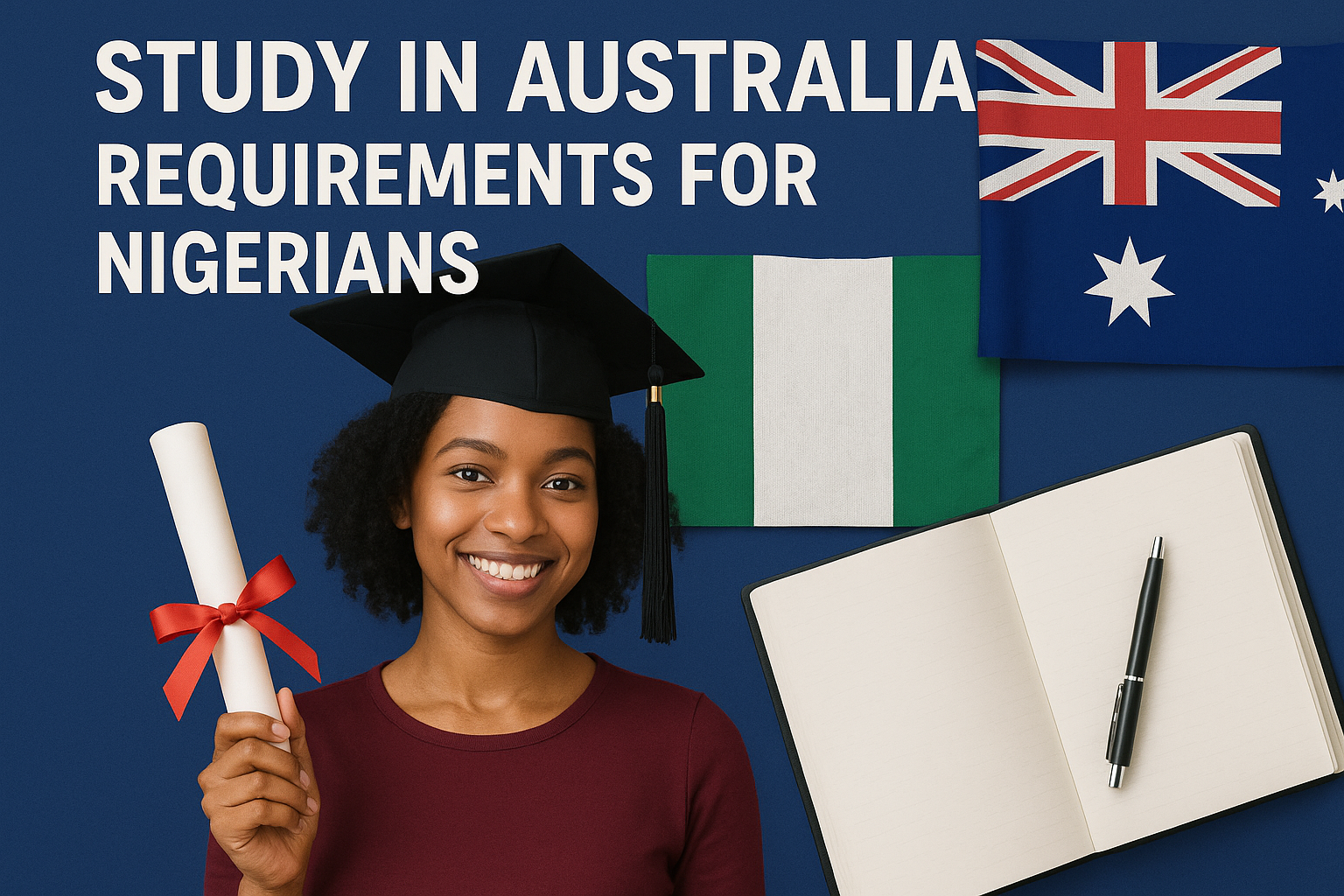
Studying abroad can be a life-changing experience, offering not just quality education but also a chance to immerse oneself in a new culture. For many Nigerians, studying in Australia presents an array of opportunities, from world-class universities to diverse environments. However, embarking on this journey requires an understanding of various requirements and processes. This guide will provide you with a comprehensive look at what it takes for Nigerians to study in Australia, the benefits of such an adventure, and practical insights to make the transition easier.
Understanding the Australian Education System
Australia is home to some of the world’s top-ranking universities, known for their high academic standards and innovative research. According to QS World University Rankings, institutions such as the Australian National University, the University of Melbourne, and the University of Sydney consistently secure spots among the best globally.
The Australian education system is divided into several levels, including:
- Vocational Education and Training (VET): Offers vocational training and is usually shorter, focusing on skills needed for specific jobs.
- Undergraduate Degrees: Typically take three to four years to complete and are offered in various fields.
- Postgraduate Degrees: Include master’s and doctoral programs, generally requiring a previous undergraduate degree.
The vibrant educational landscape in Australia allows Nigerians to choose from numerous disciplines, whether in arts, sciences, business, or technology. Moreover, the Australian government invests heavily in international students, making it an attractive destination for those looking to further their education abroad.
Admission Requirements for Nigerians
Getting admitted to an Australian institution as a Nigerian student requires meeting specific academic and language requirements. Here’s a breakdown of what you need:
Academic Qualifications
To be eligible for admission, Nigerian students typically need to meet the following academic criteria:
- Undergraduate Programs: Completion of the Senior Secondary School Certificate Examination (SSCE) with good grades (usually 5 credits or more, including English and Mathematics). Some universities may require an International Baccalaureate or A-Level qualifications.
- Postgraduate Programs: A recognized undergraduate degree from a reputable institution with a satisfactory grade point average (GPA). Some courses may also demand relevant work experience or additional qualifications.
It’s crucial to check specific university requirements, as they may vary significantly across institutions.
English Language Proficiency
As English is the primary medium of instruction in Australian universities, Nigerian students must demonstrate proficiency in the language. The most common tests accepted include:
- International English Language Testing System (IELTS): A minimum overall score of 6.5, with no band below 6.0 is usually required.
- Test of English as a Foreign Language (TOEFL): A minimum score of 79-90 is generally needed.
- Pearson Test of English Academic (PTE): Typically, a score of 58 or above is acceptable.
These scores help universities assess whether students can thrive in their academic programs without language barriers. (See: AP News on Australian universities.)
Visa Requirements for Nigerian Students
Once you receive an acceptance letter from an Australian institution, the next step is applying for a student visa. The subclass 500 visa is the most common for international students. Here’s what you need to know:
Visa Application Process
To apply for a student visa, Nigerians must go through the following steps:
- Gather Required Documents: These include your Confirmation of Enrolment (CoE) from your chosen university, proof of financial capability, evidence of English proficiency, and health insurance documentation.
- Health Insurance: International students are required to obtain Overseas Student Health Cover (OSHC) for the duration of their stay. This ensures access to medical services while in Australia.
- Complete the Visa Application: Applications can be submitted online through the Department of Home Affairs website. Make sure all documents are accurately filled out and submitted.
- Attend a Visa Interview (if required): Some applicants may be called in for an interview to further assess their eligibility.
- Await Visa Approval: Processing times can vary, so it’s best to apply well in advance of your intended start date.
Being thorough and organized during this process can significantly enhance your chances of a successful visa application.
Cost of Studying in Australia
Studying abroad is an investment, and the costs can differ widely depending on the choice of institution, course, and lifestyle. Here’s a general overview of what to expect:
Tuition Fees
Tuition fees in Australia for international students can range from AUD 20,000 to AUD 45,000 per year, depending on the level of study and field. Typically, the following ranges are observed:
- Undergraduate Programs: AUD 20,000 to AUD 30,000 per year.
- Postgraduate Programs: AUD 25,000 to AUD 45,000 per year.
Prospective students should check specific institutions for accurate fee structures, as well as potential scholarships that can ease the financial burden.
Cost of Living
The average cost of living in Australia can be quite high, with estimates suggesting that students should budget around AUD 15,000 to AUD 20,000 per year for living expenses. Major expenses include:
- Accommodation: Whether you choose to live on-campus or rent off-campus, this is likely to be your largest expense.
- Food: Grocery costs can add up, so budgeting around AUD 80 to AUD 200 per week is reasonable.
- Transportation: Public transport is available in most cities, and students often get discounted fares.
It’s wise to create a detailed budget that accounts for tuition fees and living costs to avoid financial strain during your studies.
Benefits of Studying in Australia for Nigerians
The advantages of studying in Australia extend beyond just academic excellence. Here are some compelling benefits for Nigerian students:
Cultural Exposure
Australia is a melting pot of cultures, making it an enriching environment for international students. As a Nigerian, you’ll have the opportunity to engage with people from diverse backgrounds, broadening your global perspective and fostering cross-cultural friendships.
Employment Opportunities
Studying in Australia can greatly enhance your employability. The country allows international students to work part-time (up to 40 hours per fortnight) during the semester. This not only helps in managing living costs but also provides invaluable work experience in an international setting, which is highly regarded by employers. (See: New York Times education articles.)
Post-Study Work Options
Upon completion of your studies, you may be eligible for a post-study work visa, allowing you to stay in Australia and gain further work experience. Depending on your educational qualifications, this visa can last from two to four years, significantly enhancing your career prospects.
Challenges and Solutions for Nigerian Students
While studying in Australia is filled with opportunities, it’s not without its challenges. Here are some common obstacles Nigerian students may face and practical solutions:
Homesickness
Being far from home can lead to feelings of loneliness and homesickness. To combat this, it’s essential to stay connected with family and friends back home through regular calls or video chats. Joining student groups or associations can also provide a support network, making it easier to share experiences with those in similar situations.
Cultural Adjustment
Adapting to a new culture can be daunting. Engage with local communities, participate in campus activities, and explore Australian customs. Embracing this change can lead to a more fulfilling experience and help you feel more at home.
Financial Management
Budgeting can be challenging, especially when transitioning to a new financial environment. Utilize budgeting apps to track expenses, and consider part-time work opportunities to help manage costs effectively.
Frequently Asked Questions (FAQ)
1. Can Nigerians apply for scholarships to study in Australia?
Yes, many Australian universities offer scholarships specifically for international students, including Nigerians. Scholarships can cover tuition fees or living expenses and can be merit-based or need-based. Be sure to check the scholarship opportunities available on each university’s website.
2. What is the cost of health insurance for international students?
The cost of Overseas Student Health Cover (OSHC) generally ranges from AUD 300 to AUD 600 per year, depending on the provider and the length of your stay. It’s mandatory for visa applications and ensures you have access to necessary medical services.
3. Are there any work restrictions for Nigerian students in Australia?
Yes, international students are allowed to work up to 40 hours per fortnight during the semester and unlimited hours during scheduled breaks. It’s a great way to gain experience and help with living expenses, but balancing work and studies is essential.
4. How can I prepare for my journey to study in Australia?
Start by researching your university and the city you will be living in. Create a checklist of items to pack, including essential documents, clothing for different weather, and other personal items. Networking with current students or alumni can also provide valuable insights into what to expect.
5. What should I do if I face academic challenges while studying in Australia?
Don’t hesitate to seek help. Universities often have academic advisors and support services available. Joining study groups can also help. Maintaining open communication with your professors can provide guidance and support to navigate any difficulties.
Exploring Your Options: Universities and Courses
Nigeria’s students have a plethora of options when it comes to universities and courses in Australia. The diversity in offerings means that you can find a program that perfectly aligns with your career goals and interests. Some of the most popular fields of study among Nigerian students include: There’s a fuller look at IELTS preparation resources.
- Engineering: Home to several renowned institutions known for innovative engineering courses.
- Health Sciences: With a robust healthcare sector, Australia offers programs in nursing, medicine, and public health.
- Information Technology: As technology continues to evolve, IT courses are on the rise, catering to the growing demand for skilled professionals.
- Business and Management: Many Nigerian students are drawn to Australia’s business schools for their global outlook and practical approach to learning.
Statistics on Nigerian Students in Australia
The number of Nigerian students in Australia has seen significant growth over the years. According to the Australian Department of Education, there were over 18,000 Nigerian students enrolled in Australian universities as of 2022, making Nigeria one of the top 10 countries for international students in Australia.
This reflects a broader trend of increasing interest among Nigerians in pursuing higher education abroad, driven by factors such as the quality of education, career prospects, and personal development opportunities. The diversity of programs and the welcoming atmosphere for international students in Australia are pivotal in attracting these students.
Conclusion: Taking the Leap to Study in Australia
For Nigerians considering studying in Australia, the journey is filled with potential and promise. With the right preparation, understanding of requirements, and a positive mindset, you can turn this dream into reality. Australia’s vibrant educational system, cultural diversity, and post-study opportunities offer a pathway not just for academic success but for personal growth.
So, if you’re ready to take the plunge, start preparing now. Research your preferred universities, gather your documents, and get ready for an exciting adventure that could shape your future in ways you never imagined!
“`
Trending Now
Frequently Asked Questions
What are the requirements for Nigerians to study in Australia?
Nigerians wishing to study in Australia must meet specific academic qualifications, including transcripts and certificates from previous education. Additionally, they need to demonstrate English language proficiency through tests like IELTS or TOEFL, and may also require a student visa.
How can Nigerian students apply to Australian universities?
Nigerian students can apply to Australian universities by visiting the institution's website to submit an online application. They should provide necessary documents, including academic qualifications, English proficiency test results, and a statement of purpose, along with any application fees.
What is the Australian education system like?
The Australian education system offers various levels of education, including Vocational Education and Training (VET), undergraduate degrees, and postgraduate degrees. It is known for its high academic standards and innovative research, making it a popular choice for international students.
What benefits do Nigerian students gain from studying in Australia?
Studying in Australia provides Nigerian students with access to world-class education, exposure to diverse cultures, and opportunities to develop valuable skills. The Australian government actively supports international students, enhancing their academic and social experiences.
Do Nigerian students need a visa to study in Australia?
Yes, Nigerian students need to obtain a student visa to study in Australia. This process involves providing proof of enrollment in an Australian institution, meeting health and character requirements, and showing sufficient funds to support their stay.
What did we miss? Let us know in the comments and join the conversation.



