

“`html
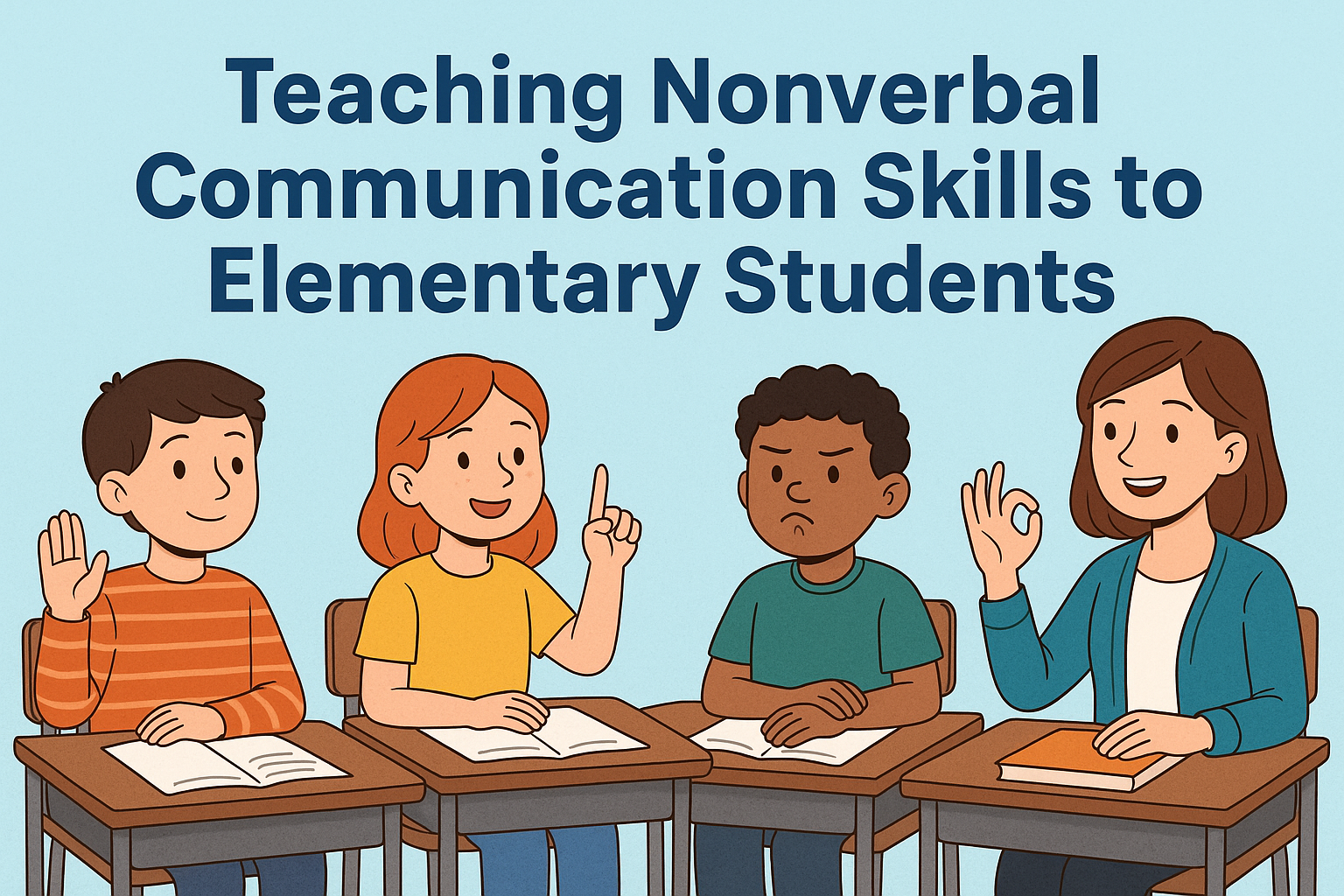
When we think about communication, our minds often jump to spoken words, but in reality, what we say constitutes only a fraction of our overall communication. In fact, studies suggest that up to 93% of communication is nonverbal. This staggering statistic highlights the importance of nonverbal communication skills for kids, particularly as they navigate the complex social dynamics of elementary school. Teaching these skills not only equips children to express themselves more effectively but also fosters empathy, enhances social interactions, and builds self-confidence. So how can parents and educators help children develop these vital skills?
The Importance of Nonverbal Communication
Nonverbal communication encompasses a variety of signals—facial expressions, body language, eye contact, gestures, and even tone of voice. Children begin picking up on these cues at a remarkably young age, often before they can articulate their feelings or thoughts verbally. Understanding nonverbal cues is essential for several reasons:
- Social Interactions: Every day, kids engage in social situations where reading body language can significantly impact their relationships. Recognizing when a friend is upset or excited can aid in building lasting friendships.
- Emotional Intelligence: By learning to interpret and utilize nonverbal cues, children can develop greater emotional awareness, which is crucial for empathy and connecting with others.
- Academic Performance: Nonverbal communication skills can also influence a child’s participation in classroom discussions. Kids who are adept at reading the room can better grasp social cues from teachers and classmates, leading to improved engagement.
Understanding Nonverbal Communication Skills for Kids
Nonverbal communication skills for kids are not just about what they observe; they also include how they respond. Children need to learn to convey their emotions in ways that are appropriate for different contexts. Here are some key aspects of nonverbal communication that can be taught:
Facial Expressions
Facial expressions are one of the most immediate forms of nonverbal communication. Children can be taught to recognize various emotions through facial cues. Activities like looking at photographs of people expressing different emotions and discussing what they see can be effective. For instance, ask kids to identify a picture of someone who looks happy or sad and then relate it to situations in their own lives. This can help them better understand their own emotions as well as those of others.
Body Language
Body posture and movement convey a wealth of information. Kids can learn that crossing arms might suggest defensiveness, while open arms can indicate receptiveness. Role-playing games can be particularly beneficial here. For example, you could have them act out different scenarios where they intentionally display various postures, then discuss how those postures might make others feel. This not only reinforces their understanding but also encourages creativity.
Eye Contact
Maintaining appropriate eye contact is crucial for effective communication. It can help build trust and show engagement, but too much eye contact may come off as aggressive. Activities designed to practice eye contact can be both fun and enlightening. For instance, you could play games like “staring contests” or “who can hold eye contact the longest while saying a silly phrase.” These exercises not only help kids become more comfortable with eye contact but also teach them about the nuances of its appropriateness in different social scenarios.
Practical Activities to Enhance Nonverbal Communication
Engaging children in structured activities can significantly enhance their nonverbal communication skills. Here are some practical ideas: (See: effective communication skills for kids.)
Emotion Charades
This classic game can be adapted to focus solely on nonverbal expressions. Write down different emotions on slips of paper, and have kids take turns acting them out without speaking. The others must guess the emotion being portrayed. This not only sharpens their ability to interpret nonverbal signals but also allows for a fun and energetic classroom or home setting.
Nonverbal Storytelling
Have kids work in pairs or small groups to create a short story that they must communicate without words. They should use only gestures, facial expressions, and body language. After their performance, allow the audience to discuss what they interpreted from the nonverbal cues. This reinforces the idea that storytelling can happen in many forms and emphasizes the importance of nonverbal cues in conveying messages.
Role-Playing Scenarios
Role-playing different social scenarios can provide children with real-world contexts in which to practice their nonverbal skills. Set up situations like meeting a new friend, attending a birthday party, or having a disagreement. After each role-play, discuss the body language and facial expressions observed during the interactions. This can foster a deeper understanding of how nonverbal communication operates in real life. This builds on cultural nuances in communication.
Recognizing and Responding to Nonverbal Cues
Teaching kids to not only express but also interpret nonverbal communication is essential. Here are some ways to guide them:
Model Effective Communication
Kids learn a lot by observing adults. Make a conscious effort to model effective nonverbal communication in your daily interactions. Whether it’s displaying positive body language when talking to them or using appropriate facial expressions, your behavior sets a precedent. Engage them in conversations about what they observe, asking questions like, “What do you think I was feeling when I made that face?” This encourages them to think critically about nonverbal signals.
Discuss Real-Life Scenarios
Utilize real-life situations to discuss nonverbal communication. If you’re watching a movie or a show together, pause at key moments and ask your child what they think the characters are feeling based on their body language and facial expressions. This not only enhances their observational skills but also provides a practical context for their learning.
The Digital Age and Its Impact on Nonverbal Communication
With the rise of digital communication, there’s a growing concern about how this impacts children’s nonverbal communication skills. Texting and online messaging often strip away the visual cues that contribute to meaningful communication. Here are some considerations:
Digital Detachment
As kids increasingly communicate through devices, they may become less adept at reading and using nonverbal cues. Creating tech-free zones or times can encourage more face-to-face interactions, allowing children to practice their skills. Encourage family game nights or discussion circles where everyone must engage without their devices. This reinforces the importance of nonverbal communication in daily interactions. (See: developing communication skills in children.)
Emoji and Online Cues
Interestingly, the use of emojis in digital communication has become a modern form of nonverbal expression. While they can enhance communication, they still lack the depth of real human interaction. Discuss with children how emojis compare to real-life facial expressions and gestures, and why understanding the differences is critical for effective communication. This discussion can help bridge the gap between digital and face-to-face interactions.
Current Relevance and Future Implications
As children grow, their nonverbal communication skills will play a crucial role in their personal and professional lives. Research suggests that strong nonverbal communication skills can lead to better outcomes in various areas, including career success and interpersonal relationships. Therefore, instilling these skills early on can set the stage for a lifetime of effective communication.
In an age defined by rapid technological advancement, the need for effective nonverbal communication skills for kids is more relevant than ever. Empathy, social interaction, and emotional intelligence are increasingly recognized as vital components of personal and professional success. By teaching children these skills, we’re not just preparing them for the classroom; we’re equipping them for life.
Common Misconceptions About Nonverbal Communication
There are several misconceptions surrounding nonverbal communication that can hinder its teaching. Here are a few:
- Nonverbal Communication is Universal: Many assume that nonverbal cues are the same across different cultures. In reality, gestures, facial expressions, and even personal space can vary widely among cultures. Teaching children about these differences can foster respect and understanding in their interactions with peers from diverse backgrounds.
- Nonverbal Signals are Always Accurate: While nonverbal cues can provide insight into feelings and emotions, they aren’t foolproof. Sometimes, a child may smile when they’re nervous or cross their arms while simply feeling cold. Educating kids about the context around nonverbal signals can help them avoid misinterpretations.
- It’s All About the Body Language: While body language is a significant part of nonverbal communication, other aspects, such as tone of voice and facial expressions, play equally important roles. Helping children understand these components can enrich their communication skills.
Expert Perspectives on Nonverbal Communication in Children
According to Dr. Paul Ekman, a renowned psychologist known for his work on emotions and facial expressions, nonverbal communication is essential for effectively engaging with others. He emphasizes that children who develop strong nonverbal skills are often better equipped to handle social situations and navigate complex emotional landscapes. Educational psychologist Dr. Lisa Delpit adds that teaching nonverbal cues can significantly improve children’s self-esteem and confidence as they learn to express and recognize their own emotions.
Resources for Parents and Educators
If you’re looking to enhance your child’s nonverbal communication skills, a variety of resources are available:
- Books: Consider reading books like “The Whole-Brain Child” by Daniel J. Siegel and Tina Payne Bryson. This book discusses the importance of emotional communication in children.
- Workshops: Many community centers offer workshops focused on social skills that include nonverbal communication training.
- Apps: Some educational apps aim to improve social skills and emotional intelligence through interactive games.
FAQ About Nonverbal Communication Skills for Kids
1. What age should I start teaching my child about nonverbal communication?
It’s beneficial to start as early as preschool age. Children naturally observe and mimic nonverbal cues, so introducing them to the concept can help solidify their understanding.
2. How can I tell if my child is skilled in nonverbal communication?
Look for signs such as their ability to read the emotions of others, maintain appropriate eye contact, and use gestures effectively when communicating. If they can express themselves nonverbally in various contexts, they likely have a good grasp of these skills.
3. How do I correct my child’s nonverbal communication mistakes?
Instead of criticism, provide constructive feedback. Discuss specific situations where they might have misinterpreted or misused nonverbal cues, and use those as learning opportunities.
4. Are there specific games or activities that help enhance nonverbal communication?
Yes! Activities like charades, nonverbal storytelling, and role-playing exercises can be very effective. These games encourage kids to think critically about how they express themselves without words.
5. How does nonverbal communication relate to emotional intelligence?
Nonverbal communication is a key component of emotional intelligence. Understanding and effectively using nonverbal cues can help children manage their emotions and develop better relationships with others.