
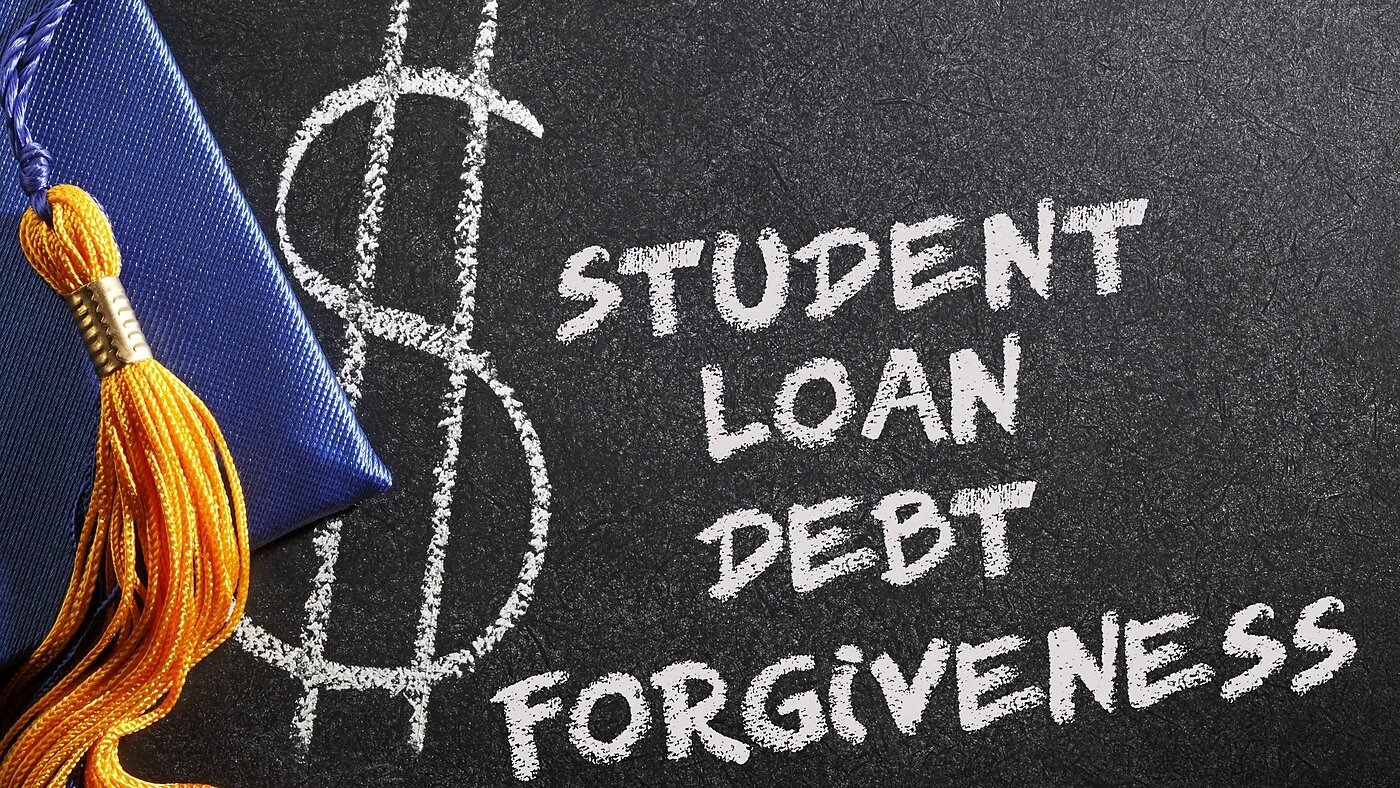

As we approach 2025, loan forgiveness programs are undergoing significant changes, reflecting shifting societal priorities and economic realities. While traditional forgiveness programs tied to public service or teaching in high-need areas continue to exist, new and innovative approaches are emerging.
One notable trend is the rise of “social impact” loan forgiveness. These programs offer partial or full loan forgiveness to graduates who dedicate a certain number of years to working in non-profit organizations, social enterprises, or other entities focused on addressing pressing social issues. This trend recognizes the value of work that may not be highly compensated but provides significant societal benefits.
Another emerging model is “skills-based” loan forgiveness. Rather than being tied to specific professions, these programs offer forgiveness based on the acquisition and application of high-demand skills. For instance, a graduate who develops expertise in artificial intelligence or renewable energy technologies might qualify for forgiveness regardless of their specific job title.
Some states and municipalities are experimenting with geographically-targeted forgiveness programs. These initiatives aim to attract educated professionals to underpopulated areas or regions facing brain drain, offering loan forgiveness in exchange for a commitment to live and work in the area for a certain period.
Technology is also shaping forgiveness programs. Blockchain-based systems are being developed to track and verify public service hours more efficiently, reducing fraud and administrative burdens in forgiveness programs.
However, these evolving forgiveness programs also face challenges. There are ongoing debates about how to fairly determine which careers or skills qualify for forgiveness. There’s also concern about the potential for these programs to influence career choices in ways that may not align with individual passions or talents.
As we move towards 2025, expect to see more nuanced and flexible forgiveness programs that attempt to balance societal needs, economic realities, and individual career aspirations.


