
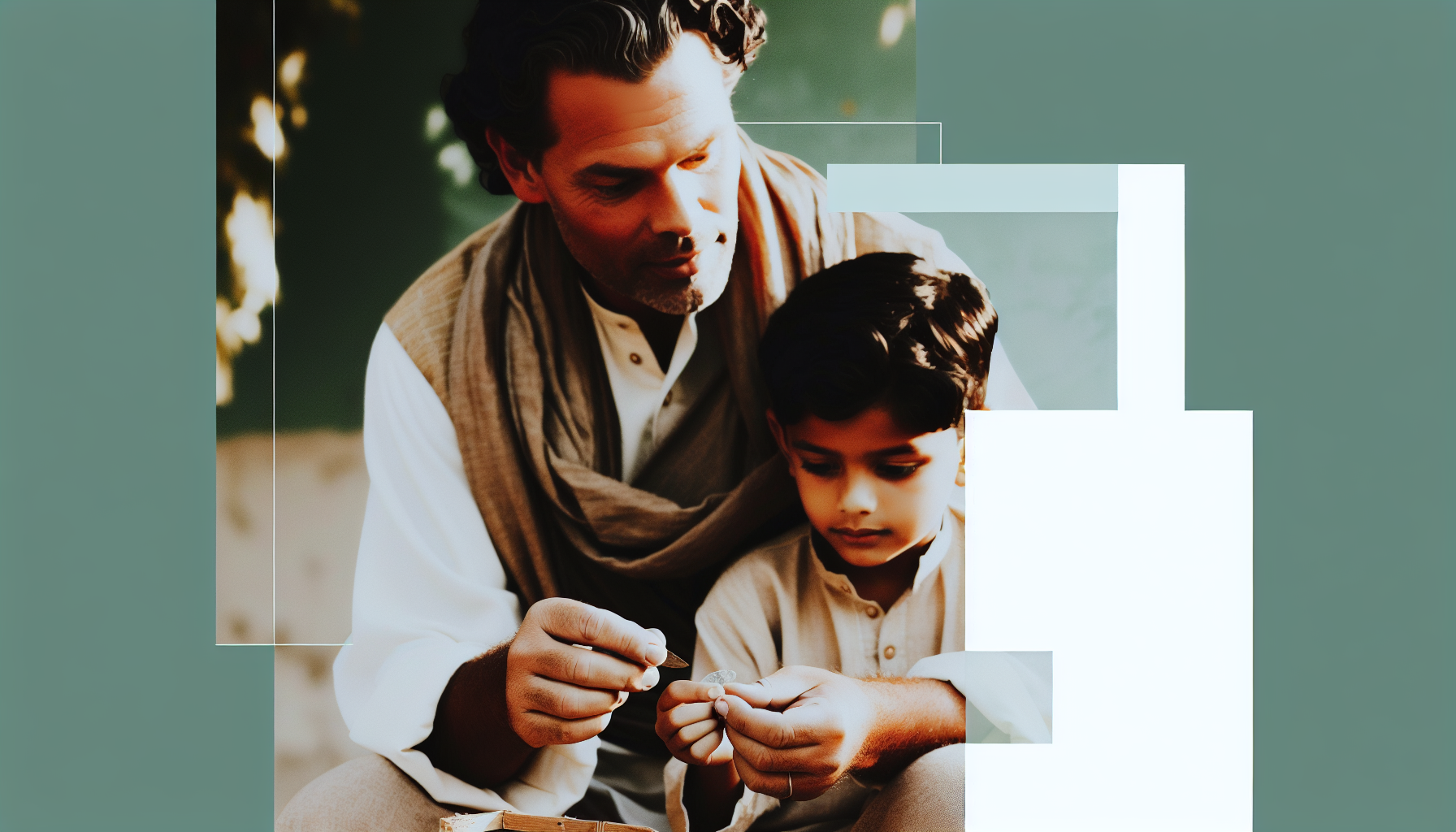

In the dynamic landscape of parenting, the role of honesty cannot be overstated. Renowned actor Johnny Depp, known for his captivating performances in films like Pirates of the Caribbean, recently shared a profound insight: “When you have children, there is no room for lies.” This quote encapsulates the essence of parenting, emphasizing the necessity of truthfulness and transparency in nurturing healthy family relationships.
The Importance of Honesty in Parenting
At the heart of Depp’s statement lies a critical understanding of how children develop trust and security within their family unit. Honesty acts as a cornerstone in building a strong foundation for relationships among family members. When parents are open and truthful, they create an environment where children feel safe to express themselves, ask questions, and learn about the world around them.
Building Trust Through Transparency
Trust is integral to any relationship, especially between parents and children. According to various studies, children who grow up in an honest environment are more likely to develop strong moral values and the ability to communicate effectively. They learn that it is acceptable to speak their minds and share their feelings without fear of judgment or retribution.
- Emotional Security: Children thrive in environments where they feel emotionally secure. Honesty fosters this security, allowing them to be vulnerable.
- Open Communication: When parents practice honesty, they model open communication, encouraging children to express their thoughts and feelings.
- Moral Development: Honest interactions help children understand the significance of integrity and truthfulness in their own lives.
Lessons on Parenting from Johnny Depp
Depp’s quote serves as a reminder that parenting is not merely about managing day-to-day tasks; it is about instilling core values that will guide children throughout their lives. Here are some essential lessons drawn from the idea of honesty in parenting:
1. Honesty as a Teaching Tool
Every statement made to a child offers a teaching opportunity. Parents should recognize that their words carry weight, and using honesty as a tool can lead to valuable life lessons. For instance, when discussing difficult topics, such as loss or failure, delivering the truth in a way that is age-appropriate can help children process these experiences.
2. Encouraging Critical Thinking
When parents are straightforward, they encourage children to think critically about the information they receive. Instead of simply accepting what they are told, children learn to ask questions and seek understanding. This critical thinking skill serves them well in school and later in life.
3. Modeling Behavior
Children often emulate the behavior of their parents. By demonstrating honesty in their own lives, parents set an example for their children to follow. This modeling can influence how children interact with their peers and approach relationships in the future.
Challenges in Maintaining Honesty
While the importance of honesty in parenting is clear, it is not always easy to achieve. Parents may find themselves in situations where telling the truth feels complicated or uncomfortable. Here are some common challenges:
- Protecting Feelings: Parents often struggle with how much to reveal to protect their children’s feelings. Striking a balance between honesty and sensitivity is crucial.
- Fear of Consequences: Some parents may worry that being honest will lead to negative consequences, such as fear or anxiety in their children.
- Personal Struggles: Parents dealing with their own issues may find it difficult to be transparent, often leading to inconsistencies in messaging.
Strategies for Practicing Honesty
Even with these challenges, there are effective strategies parents can utilize to maintain honesty in their family life:
- Age-Appropriate Conversations: Tailor discussions to your child’s age and maturity level. Ensure that the information shared is suitable for their understanding.
- Encourage Questions: Foster an environment where children feel comfortable asking questions. This can lead to more open dialogues about challenging subjects.
- Practice Active Listening: Show your children that you value their thoughts and feelings by actively listening to them. This reinforces the importance of honest communication.
The Long-term Impact of Honesty
Ultimately, the lessons learned from practicing honesty in parenting extend far beyond childhood. As children grow into adults, the principles of honesty and integrity they learn at home will influence their relationships, careers, and personal ethics. By instilling these values early on, parents equip their children with the tools they need to navigate the complexities of life.
Conclusion
Johnny Depp’s quote serves as a powerful reminder of the responsibility parents have in shaping their children’s understanding of honesty. In a world filled with misinformation and deception, fostering an environment of truthfulness is more crucial than ever. By embracing honesty, parents can build strong, trusting relationships with their children, laying the groundwork for future generations to thrive with integrity and confidence.






