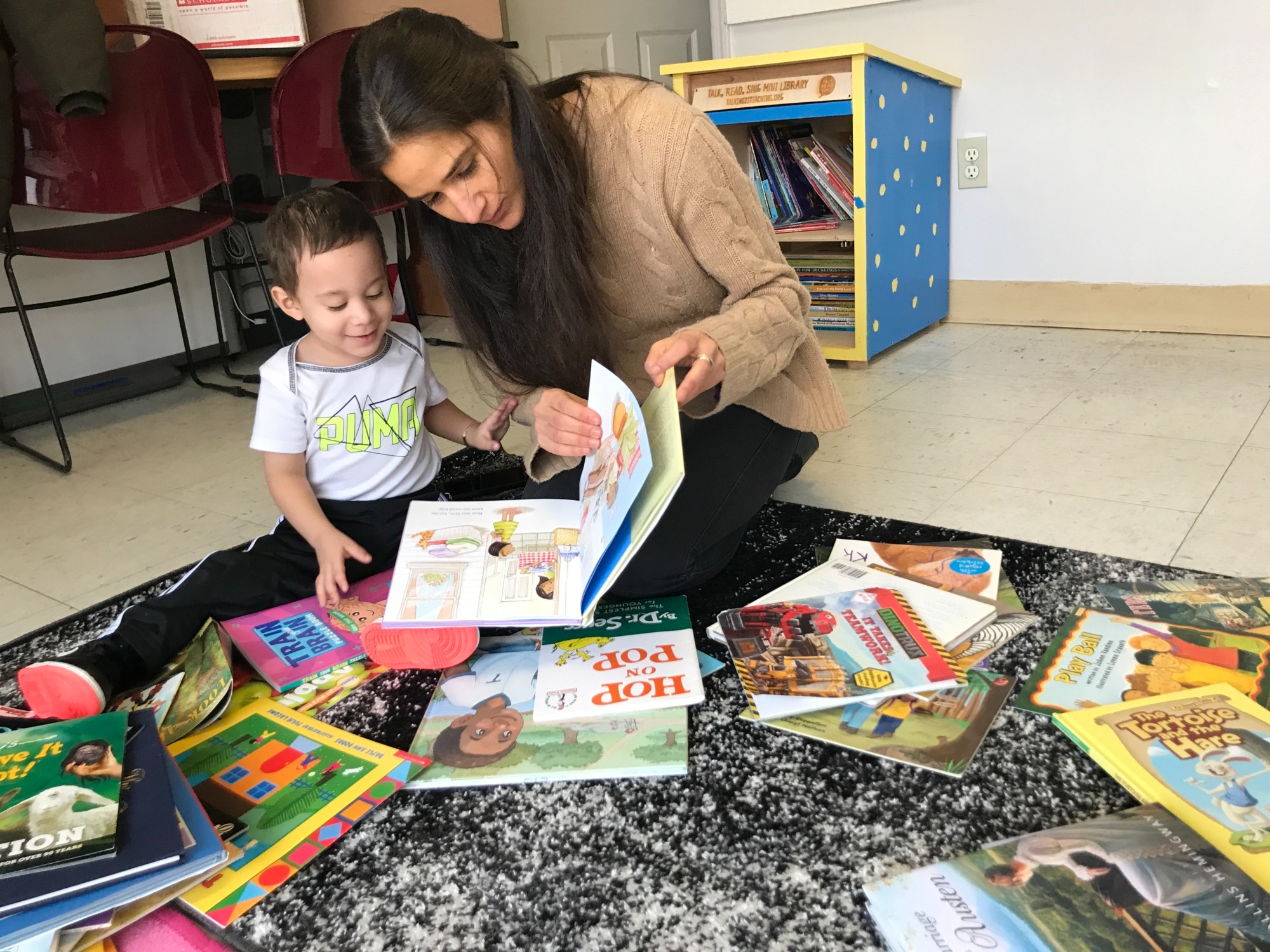

As we near 2025, one of the most significant and positive trends in early reading is the increasing focus on diverse representation in children’s literature. Publishers, authors, and educators are recognizing the crucial importance of providing young readers with books that reflect the rich diversity of our global society.
This trend goes beyond simply including characters of different ethnicities. It encompasses a wide range of diversity, including various family structures, abilities, cultures, and socioeconomic backgrounds. The goal is to ensure that every child can see themselves represented in the stories they read, while also exposing all children to the beautiful tapestry of human diversity.
One notable aspect of this trend is the rise of #OwnVoices books – stories about diverse characters written by authors from those same diverse groups. This movement is bringing authenticity to diverse narratives and providing opportunities for marginalized voices in the publishing industry. As a result, children’s literature is becoming richer, more nuanced, and more reflective of real-world experiences.
Publishers are also making concerted efforts to diversify their editorial teams and actively seek out diverse authors and illustrators. This behind-the-scenes representation is crucial in ensuring that diverse stories are told accurately and sensitively.
Moreover, educators and librarians are playing a vital role in this trend by curating diverse reading lists and using these books as tools for teaching empathy, cultural understanding, and social justice concepts. Many schools are revamping their curricula to include a more diverse range of literature, recognizing that exposure to diverse stories from an early age can help combat prejudice and foster inclusivity.
The impact of this trend extends beyond just representation. Research is showing that when children see themselves reflected in the books they read, it boosts their self-esteem, enhances their engagement with reading, and can even improve academic performance. For children from majority groups, exposure to diverse literature broadens their worldview and develops crucial empathy skills.
As we approach 2025, we can expect this trend to continue growing, with an even greater emphasis on intersectionality and nuanced representation. The future of children’s literature is one where every child can find not just a mirror reflecting their own experiences, but also windows into the diverse world around them.