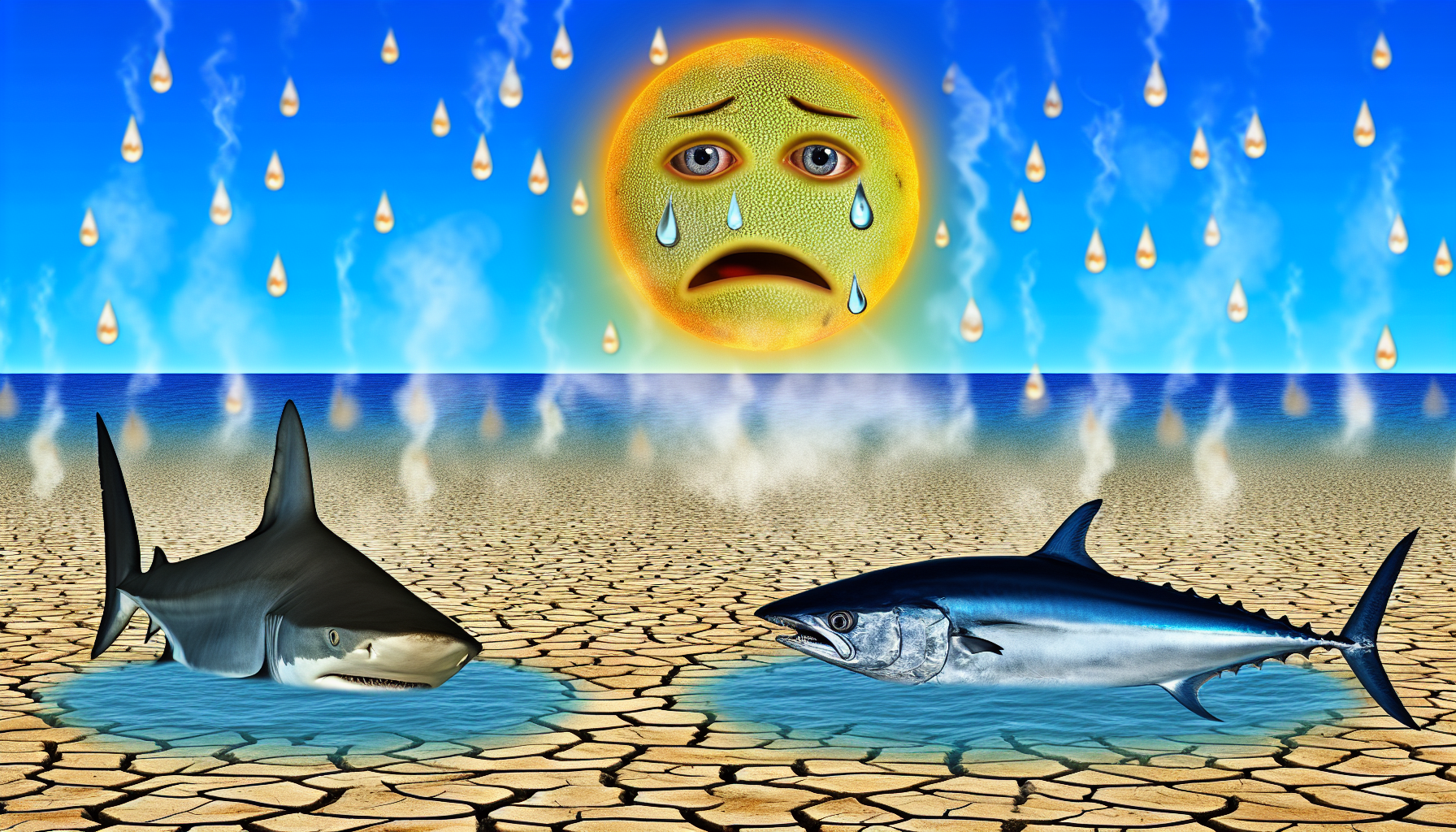

As global temperatures continue to rise due to climate change, the world’s oceans are experiencing significant alterations that threaten marine life, particularly apex predators such as sharks and tuna. A recent study highlights that these powerful ocean dwellers are facing unprecedented increases in body temperatures, which could have dire consequences not only for their survival but also for the entire marine ecosystem.
The Rising Temperature of Our Oceans
The alarming reality is that as climate change intensifies, the average temperature of ocean waters is rising. This phenomenon is largely attributed to greenhouse gas emissions, which trap heat in the atmosphere, leading to warmer oceanic conditions. According to the research, sharks and tuna are experiencing body temperatures that surpass their thermal tolerance levels, which can restrict their movement and habitat options.
The Study’s Findings
The study, conducted by marine biologists and ecologists, utilized advanced monitoring techniques to record the body temperatures of several shark and tuna species in various ocean regions. The results indicated that these apex predators are not only overheating but are also struggling to adapt to their changing environment.
Key findings from the study include:
- Increased Body Temperatures: Sharks and tuna are experiencing body temperatures that are higher than previously anticipated, which can affect their metabolic rates and overall health.
- Reduced Habitat Viability: As water temperatures rise, the regions where these species can thrive are diminishing, forcing them to migrate to cooler waters.
- Ecological Consequences: The decline of sharks and tuna populations may lead to significant ecological imbalances, as these species play crucial roles in maintaining the health of marine ecosystems.
Impacts on the Marine Ecosystem
The repercussions of overheating in sharks and tuna extend far beyond their individual species. As apex predators, both sharks and tuna are vital to the balance of marine ecosystems. They help regulate fish populations and contribute to the overall health of ocean environments. Their decline could result in a cascade of ecological consequences.
Predator-Prey Dynamics
Sharks and tuna exert significant control over the populations of smaller fish and other marine organisms. If these predators are unable to survive in their current habitats due to rising temperatures, it could lead to an overpopulation of prey species. This imbalance may result in:
- Overfishing of Smaller Species: Increased populations of smaller fish can lead to overfishing, as they become more accessible to commercial fisheries.
- Degradation of Coral Reefs: A rise in the population of herbivorous fish can lead to the overgrazing of coral reefs, which are already stressed by climate change.
- Altered Food Webs: The removal or decline of apex predators can disrupt the entire food web, affecting numerous species across the marine ecosystem.
The Vulnerability of Sharks and Tuna
Sharks and tuna are particularly vulnerable to temperature changes due to their physiology. These fish are ectothermic, meaning their body temperature is largely influenced by the surrounding water temperature. As ocean temperatures rise, their capacity to regulate their internal environments diminishes, putting them at risk.
Physiological Stress
When sharks and tuna experience elevated body temperatures, they face physiological stress that can impair their ability to hunt, reproduce, and survive. The study indicates that:
- Metabolic Demands: Higher temperatures increase metabolic rates, leading to greater energy expenditure. This can result in nutritional deficits, as these species may not be able to find enough food.
- Reproductive Challenges: Elevated temperatures can disrupt breeding cycles, leading to lower reproductive success and fewer offspring.
- Increased Mortality Rates: Prolonged exposure to high temperatures can lead to increased mortality rates, particularly among juvenile populations that are less resilient.
Conservation Efforts Needed
The findings of this study underscore the urgent need for conservation efforts aimed at protecting sharks and tuna. Immediate action is required to mitigate the impacts of climate change on these species and their habitats.
Strategies for Conservation
Conservationists and researchers suggest several strategies to protect sharks and tuna from the adverse effects of rising ocean temperatures:
- Marine Protected Areas (MPAs): Establishing and enforcing MPAs can help provide safe havens for sharks and tuna, allowing them to thrive in cooler waters.
- Reducing Carbon Emissions: Global initiatives to reduce greenhouse gas emissions are essential for slowing the warming of ocean waters.
- Research and Monitoring: Continued research and monitoring of shark and tuna populations are vital to understand their responses to climate change and inform conservation strategies.
- Public Awareness Campaigns: Raising awareness about the importance of sharks and tuna in marine ecosystems can garner public support for conservation measures.
The Global Perspective
The challenges faced by sharks and tuna are not isolated issues; they reflect broader trends in marine biodiversity loss due to climate change. The decline of these apex predators is a warning sign for the health of our oceans and the effectiveness of global conservation efforts.
International Collaboration
Addressing the plight of sharks and tuna requires international collaboration, as these species migrate across vast ocean distances. Cooperation among countries to establish conservation measures is crucial. Efforts should focus on:
- Shared Research Initiatives: Collaborative research projects can enhance our understanding of shark and tuna behavior and physiology in response to climate change.
- Bilateral Agreements: Countries can establish agreements to manage fisheries sustainably and protect critical habitats.
- Global Treaties: An international treaty focused on marine biodiversity can help unify efforts to combat the impacts of climate change on ocean ecosystems.
Conclusion
The findings of the recent study illuminate the urgent challenges that sharks and tuna face due to climate change. As these apex predators overheat and lose viable habitats, the implications extend beyond their survival to the overall health of marine ecosystems. Immediate conservation measures are essential to protect these species and, by extension, the intricate web of life that depends on healthy oceans.
In conclusion, the time to act is now. The future of sharks and tuna, as well as the ecological balance of our oceans, hangs in the balance. It is imperative that researchers, conservationists, policymakers, and the public work together to ensure the survival of these vital species in the face of a warming world.