

“`html
The journey of cognitive development in infants is a fascinating exploration of how they learn to perceive and interact with the world. One critical milestone in this journey is the concept of object permanence. Understanding how this cognitive skill forms provides not only insight into infant development but also helps parents and caregivers nurture critical thinking and reasoning abilities in their young ones.
What Is Object Permanence?
Object permanence is the understanding that objects continue to exist even when they cannot be seen, heard, or otherwise sensed. This concept, first introduced by developmental psychologist Jean Piaget in the mid-20th century, is a key component of cognitive development in infants. According to Piaget, infants typically begin to develop object permanence around 4 to 7 months of age, although some studies suggest signs of this understanding can emerge even earlier.
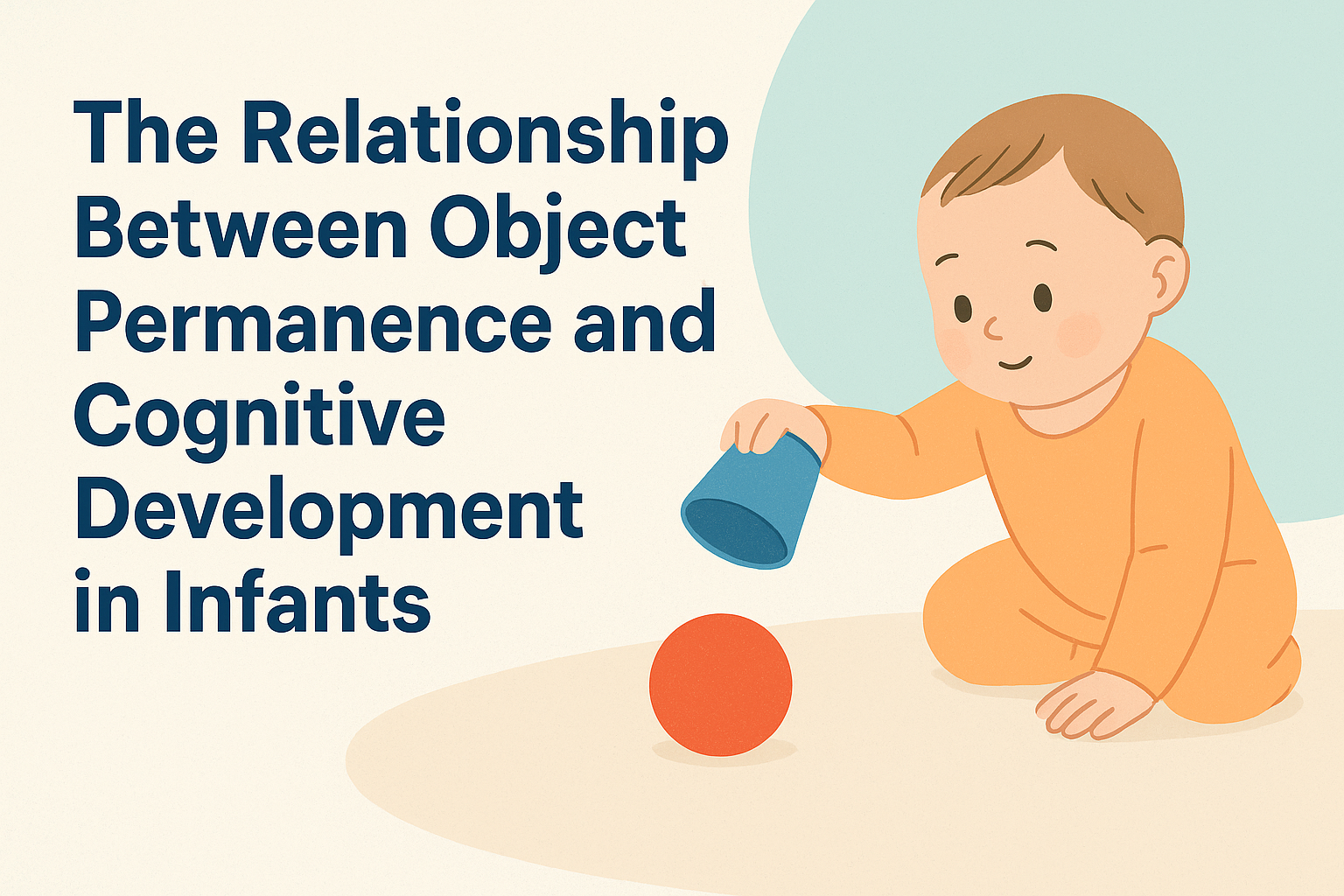
To grasp the importance of object permanence, consider a simple example: if you place a toy under a blanket, a child who understands object permanence will know the toy is still there, even if it is not visible. In contrast, a child who has not yet mastered this concept may believe that the toy has disappeared entirely.
The Stages of Object Permanence Development
The development of object permanence is not a linear process; it unfolds in stages. Piaget outlined several key stages in cognitive development, and object permanence is central to his sensorimotor stage, which spans from birth to approximately 2 years of age. Below are the stages that illustrate how infants develop this crucial cognitive skill:
- Stage 1: Reflexes (0-1 month) – Newborns primarily respond to stimuli reflexively. They exhibit no understanding of object permanence.
- Stage 2: Primary Circular Reactions (1-4 months) – Infants begin to engage in simple actions that are pleasurable, but they still do not search for hidden objects.
- Stage 3: Secondary Circular Reactions (4-8 months) – At this stage, infants start to realize that their actions can affect the world around them. Some may begin to look for partially hidden objects.
- Stage 4: Coordination of Secondary Schemas (8-12 months) – Infants display intentional actions and start to look for completely hidden objects, demonstrating early signs of object permanence.
- Stage 5: Tertiary Circular Reactions (12-18 months) – Infants experiment to see how different actions impact objects, further solidifying their understanding of permanence.
- Stage 6: Mental Representation (18-24 months) – Infants can now form mental images of objects and can think about them without needing to see or interact with them directly.
Object Permanence and Cognitive Development: The Connection
The development of object permanence is deeply intertwined with overall cognitive growth. This skill serves as a foundation for several advanced cognitive functions, including memory, problem-solving, and social understanding. When children grasp that objects exist independently of their perception, they begin to develop more complex thinking skills.
For instance, the acquisition of object permanence is linked to the development of symbolic thought, which is essential for language acquisition and social interaction. Children who understand that objects still exist when they are out of sight are better equipped to navigate the world around them. They can engage in pretend play, which is critical for social and emotional development.
The Role of Play in Reinforcing Object Permanence
Play is an essential aspect of learning and cognitive development in infants. Engaging with toys and other objects not only fosters sensory exploration but also reinforces the understanding of object permanence. Games like peek-a-boo are particularly effective in helping infants develop this skill. As caregivers hide their faces and then reveal them, infants learn that even when something is not visible, it can return to view, thereby reinforcing their understanding of object permanence. (See: Wikipedia article on object permanence.)
Additionally, hiding and seeking games with toys can also strengthen this understanding. For example, if you hide a toy under a cloth and encourage your infant to find it, they begin to associate the act of searching with the idea that the toy has merely been concealed, not removed from existence. This kind of interactive play not only nurtures cognitive growth but also strengthens the bond between caregiver and child.
Current Research: Insights into Object Permanence
Recent studies into the relationship between object permanence and cognitive development have expanded our understanding of this area. Researchers have employed advanced techniques, such as eye-tracking, to observe how infants respond to hidden objects. These studies have shown that infants as young as 3.5 months may demonstrate some level of understanding of object permanence, challenging previous beliefs about when this skill develops.
For instance, a 2020 study published in the journal Psychological Science found that infants would look longer at an unexpected event—such as a ball disappearing from sight without a trace—suggesting they had some expectation of the ball’s existence. Such evidence hints at a more complex understanding of the world than previously thought, prompting researchers to reconsider the cognitive abilities of infants.
Practical Insights for Parents and Caregivers
Understanding the stages of object permanence can empower parents and caregivers to foster cognitive development effectively. Here are some actionable strategies:
- Engage in Simple Hide-and-Seek Games: Start with hiding toys under a cloth and encourage your infant to find them. This not only reinforces the concept but also makes learning fun.
- Play Peek-a-Boo: This classic game is not just entertaining but also helps infants grasp the idea of presence and absence.
- Use Everyday Objects: Incorporate common household items into play. Hiding and revealing these objects in front of your child can enhance their understanding of permanence.
- Be Patient: Recognize that each child develops at their own pace. Some may understand object permanence earlier than others, so tailor your interactions to their unique developmental timeline.
- Encourage Exploration: Allow your child to explore their environment, which will naturally present opportunities to practice their understanding of permanence.
The Broader Implications of Object Permanence
The development of object permanence is not just a cognitive milestone; it has broader implications for learning and emotional development as well. Understanding that absent objects can return helps infants handle separation anxiety more effectively. When children develop trust in the permanence of their caregivers and their environment, they are more likely to explore new situations and engage with others. This foundational trust is crucial for healthy social development.
Moreover, as children grow and transition into preschool and beyond, a solid grasp of object permanence will influence their ability to engage in more complex learning tasks, such as mathematics and literacy. Recognizing that numbers and letters represent concepts even when not visible directly is a continuation of the skills fostered by object permanence.
Expert Perspectives on Object Permanence
To gain a deeper understanding of object permanence and its impact on cognitive development, it’s insightful to consider perspectives from developmental psychologists. Dr. Lisa Oakes, a cognitive psychologist, emphasizes that “object permanence is a gateway to understanding the world. It opens the door to more complex cognitive abilities, like reasoning and problem-solving.” She points out that children who develop this skill earlier often exhibit advanced problem-solving skills later on. (See: NIH article on cognitive development.)
Another expert, Dr. Andrew Meltzoff, a renowned developmental psychologist, asserts that “the nuances of how children develop object permanence can significantly vary. It’s not merely about when they understand that things still exist; it’s about how that understanding influences their interactions with the world.” His research indicates that children who play more with diverse objects tend to grasp the concept of permanence more robustly, illustrating the importance of varied play experiences.
Statistics on Object Permanence Development
Understanding the statistical landscape surrounding object permanence can further illuminate its significance in cognitive development. Recent studies have shown that:
- Approximately 60% of infants demonstrate initial signs of object permanence by 4 months, a noteworthy finding suggesting that cognitive skills may develop earlier than previously recognized.
- By 8 months, up to 90% of infants can locate objects that are fully hidden, indicating a rapid progression in understanding this concept.
- Research indicates that infants who engage in interactive games, such as peek-a-boo, have a 50% higher likelihood of demonstrating object permanence by the end of their first year compared to those who do not.
Frequently Asked Questions (FAQ)
What age do babies develop object permanence?
Most infants start to develop object permanence between 4 to 7 months; however, early signs can appear as early as 3.5 months according to some research.
How can I tell if my baby understands object permanence?
If your baby searches for a toy that you’ve hidden or looks for you when you leave the room, they are likely beginning to understand object permanence.
Does playing peek-a-boo really help with object permanence?
Yes! Peek-a-boo is a fun game that teaches babies that people and objects can come back into view after disappearing, reinforcing their understanding of object permanence.
Are there any signs that my baby is struggling with object permanence?
If your baby shows distress at separations or frequently seems confused when objects are hidden, they may not have fully developed this understanding yet. It’s essential to engage in more interactive play to support their learning.
Can object permanence affect social development?
Absolutely. A solid understanding of object permanence fosters trust and security, which are critical for healthy social interactions and emotional development as children grow.
The Impact of Cultural Factors on Object Permanence
Cultural factors can also play a significant role in the development of object permanence. Research indicates that children in different cultures may develop this concept at varying rates due to differences in parenting styles and play opportunities. For example, in cultures that emphasize individual play, children might have more opportunities to explore and discover object permanence on their own, while in communal settings, caregivers might provide more direct interaction. This variation can influence not only the timing of object permanence development but also the quality of cognitive skills that follow.
How Object Permanence Influences Learning Styles
The understanding of object permanence can influence a child’s approach to learning. Children who grasp this concept may show a propensity for exploration and inquiry-based learning. They might be more eager to experiment with their environment, leading to deeper engagement in educational settings. For instance, a child who understands that a toy is still present after being hidden may be more likely to engage with puzzles or problem-solving tasks. Recognizing the connection between object permanence and learning styles can help educators tailor their approaches to support children’s development effectively.
Conclusion: Nurturing Young Minds
The relationship between object permanence and cognitive development in infants is a critical area for parents, educators, and psychologists alike. By understanding the stages of this development and incorporating playful interactions into daily routines, caregivers can foster a child’s cognitive growth effectively. As research advances, we learn more about the complexities of infant cognition, highlighting the importance of nurturing these early skills. In doing so, we set the foundation for lifelong learning and emotional well-being.
“`
Trending Now
- this guide on is transitional kindergarten right for your child? age and readiness factors
- read the full story
- What Is a Socratic Seminar? A Complete Guide for Teachers
- Preparing Middle School Students for Their First Socratic Seminar
- What Is Developmentally Appropriate Practice? NAEYC Guidelines Explained
Frequently Asked Questions
What is object permanence in infants?
Object permanence is the understanding that objects continue to exist even when they cannot be seen, heard, or sensed. This cognitive skill typically develops in infants around 4 to 7 months of age, as they learn to recognize that hidden objects still exist.
Why is object permanence important for cognitive development?
Object permanence is a crucial milestone in cognitive development because it helps infants learn about the world around them. It lays the foundation for critical thinking and reasoning skills, allowing children to understand that objects remain constant even when not visible.
At what age do infants develop object permanence?
Infants typically begin to develop object permanence between 4 to 7 months of age. However, some studies suggest that signs of this understanding may emerge even earlier, indicating a gradual development of cognitive skills.
What are the stages of object permanence development?
The development of object permanence unfolds in stages, as outlined by Jean Piaget. These stages include reflexive responses in newborns, primary circular reactions at 1-4 months, and progressing to more complex understanding as infants grow, culminating in the ability to search for hidden objects.
How can parents help infants develop object permanence?
Parents can nurture the development of object permanence by engaging in simple games like peek-a-boo or hiding and revealing toys. These activities encourage infants to understand that objects exist even when they are not visible, fostering cognitive growth.
Have you experienced this yourself? We’d love to hear your story in the comments.


