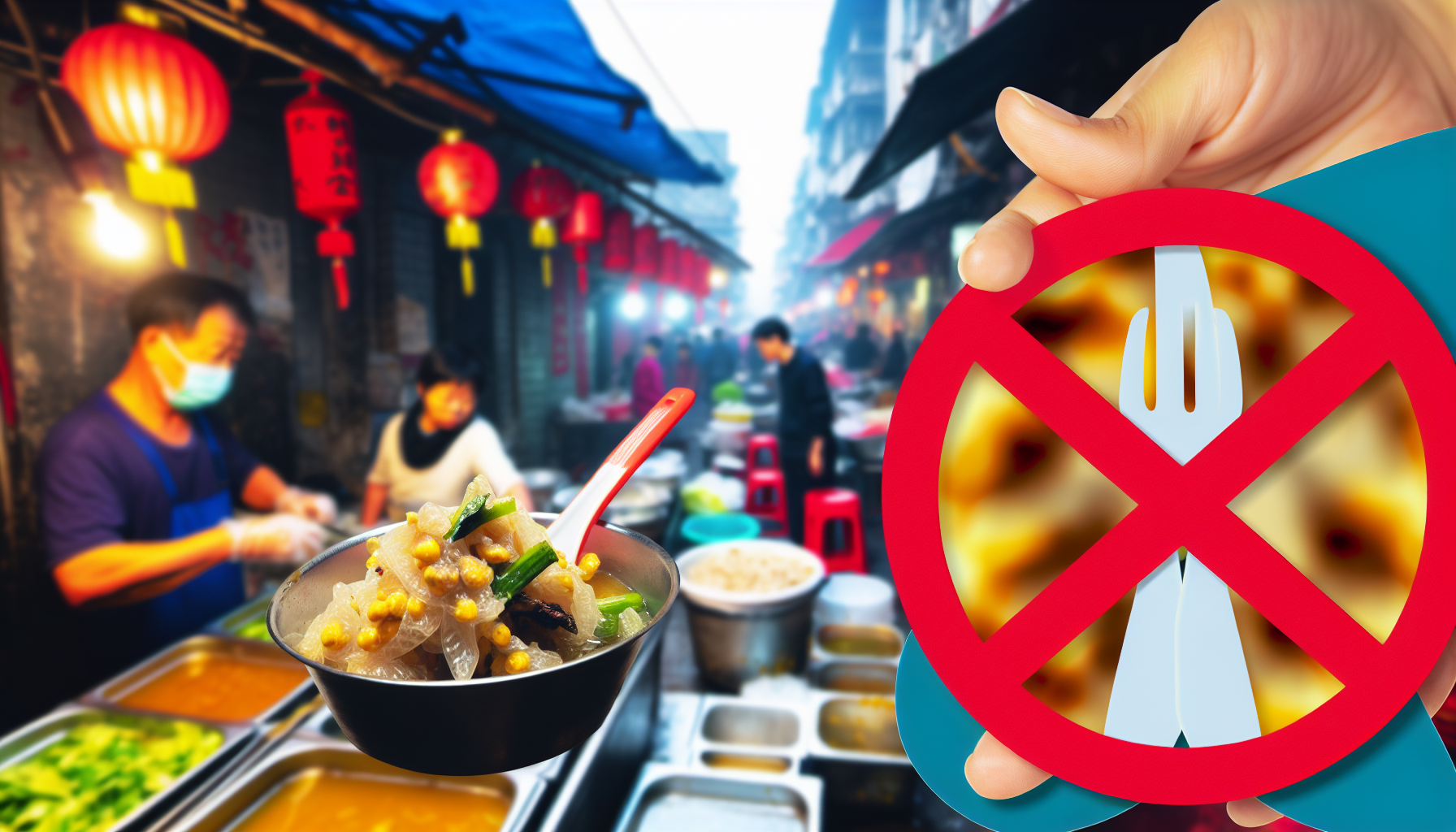

In recent months, a peculiar food trend has emerged from China, capturing the attention of social media users and health enthusiasts alike. Dubbed the ‘plastic-eating’ food trend, this phenomenon revolves around the consumption of ultra-processed foods designed to replicate the appearance and texture of synthetic materials, particularly plastic. As videos and pictures showcasing these bizarre culinary creations go viral, health experts are raising alarms about the potential dangers associated with this trend.
What is the ‘Plastic-Eating’ Food Trend?
The ‘plastic-eating’ food trend involves the preparation and consumption of ultra-processed foods that imitate the look and feel of plastic. This includes dishes that resemble plastic wrappers, synthetic textures, and even the shiny, colorful appearance of plastic products. Social media platforms are flooded with images and videos of these foods, where users showcase their unique culinary experiments, often accompanied by catchy hashtags aimed at drawing attention to the trend.
This trend appears to capitalize on the visual appeal and novelty of food that challenges traditional norms. The idea of consuming something that looks like plastic may seem harmless or even entertaining at first glance, but the underlying health implications are anything but trivial.
The Allure of Synthetic Foods
In a rapidly evolving food landscape, many consumers are drawn to novelty and unique eating experiences. The ‘plastic-eating’ trend feeds into this desire for new sensations, blurring the lines between food and art. The colorful and whimsical nature of these dishes makes them highly shareable on platforms like TikTok, Instagram, and Weibo, leading to an explosion of interest and participation.
The Role of Social Media
Social media serves as a powerful catalyst for food trends. In the case of the ‘plastic-eating’ phenomenon, the visual nature of the dishes encourages users to share their gastronomic creations, prompting others to join the trend. This creates a cycle of imitation and innovation, where users attempt to outdo one another in crafting the most visually appealing and bizarre food items.
However, as the trend gains traction, it raises important questions about the implications of consuming such foods. While the aesthetic of these dishes may be captivating, the health risks associated with their ingredients are a growing concern.
Health Risks Associated with Ultra-Processed Foods
Health experts are sounding the alarm regarding the risks linked to the consumption of ultra-processed foods, which form the basis of the ‘plastic-eating’ trend. These foods are often characterized by:
- High levels of sugar, salt, and unhealthy fats
- Low nutritional value
- Artificial additives and preservatives
- Minimal whole food ingredients
Many foods that fall under the category of ultra-processed are engineered to have long shelf lives and appealing textures, but they often lack essential nutrients that the body needs to function optimally. As a result, frequent consumption of these products can lead to a host of health issues.
Impact on Digestion
One of the most immediate health concerns is the impact on digestion. Foods that are overly processed often contain little to no fiber, which is crucial for maintaining a healthy digestive system. A diet low in fiber can lead to:
- Sluggish digestion
- Constipation
- Increased risk of gastrointestinal disorders
Additionally, the body’s inability to break down these synthetic materials effectively can lead to a buildup of waste, further exacerbating digestive issues.
Chronic Fatigue and Irregular Appetite
Another significant concern is the link between ultra-processed foods and chronic fatigue. These foods may provide a temporary energy boost due to their high sugar content; however, they often lead to energy crashes that leave individuals feeling fatigued. Over time, this can contribute to a cycle of dependence on sugary foods for energy, ultimately leading to:
- Increased cravings for unhealthy foods
- Irregular appetite
- Impaired energy regulation
This cycle can be particularly damaging, as it may lead to overeating and an unhealthy relationship with food.
The Long-Term Health Consequences
While the immediate effects of consuming ultra-processed foods may be concerning, the long-term consequences are even more alarming. Regularly consuming these synthetic foods can contribute to a range of chronic health issues, including:
- Obesity
- Type 2 diabetes
- Heart disease
- Metabolic syndrome
These conditions are often interconnected, creating a vicious cycle that can be difficult to break. The reliance on ultra-processed foods can lead to weight gain, increased insulin resistance, and ultimately, a higher risk of developing serious health issues.
A Disturbing Shift in Eating Habits
The ‘plastic-eating’ food trend is reflective of a broader shift towards processed eating experiences, which prioritizes novelty and visual appeal over nutritional value. As more individuals engage with this trend, it raises critical questions about the future of food culture and the potential consequences for public health.
Addressing the Trend: A Call for Awareness
As the fascination with ‘plastic-eating’ foods continues to grow, it is essential for consumers to remain informed about the health risks associated with ultra-processed diets. While the trend may appear innocuous, the long-term health implications are significant and warrant serious consideration.
Health experts recommend the following strategies to mitigate the risks associated with ultra-processed foods:
- Prioritize Whole Foods: Aim to incorporate more whole foods into your diet, such as fruits, vegetables, whole grains, lean proteins, and healthy fats. These foods provide essential nutrients and support overall health.
- Read Labels: Be vigilant about reading ingredient labels. If a product contains a long list of unfamiliar additives, it may be best to avoid it.
- Practice Moderation: While indulging in novelty foods can be fun, moderation is key. Consider limiting the frequency of consuming ultra-processed foods.
- Stay Informed: Follow health guidelines and research to make informed choices about your diet.
The Future of Food Trends
The ‘plastic-eating’ trend serves as a reminder of the impact of social media on dietary choices and the potential for rapid dissemination of food fads. While novelty foods can be appealing, it is crucial to consider the nutritional value and long-term implications of what we consume.
As consumers continue to navigate the ever-evolving food landscape, a balanced approach that prioritizes health and well-being is essential. By fostering awareness around the risks of ultra-processed foods, individuals can make better choices that support their long-term health, rather than succumbing to fleeting trends.
Conclusion
The fascination with the ‘plastic-eating’ food trend highlights a significant shift in dietary behaviors, driven largely by the influence of social media and the allure of novelty. However, as health experts have emphasized, the risks associated with ultra-processed foods cannot be ignored. From digestive issues to chronic fatigue and long-term health consequences, the implications of this trend are serious and warrant attention.
Ultimately, the rise of such trends serves as a cautionary tale about the importance of making informed food choices and prioritizing nutritional value over mere visual appeal. By promoting a diet rich in whole foods, consumers can safeguard their health and enjoy a more balanced approach to eating in the face of increasingly processed food trends.