
Introduction
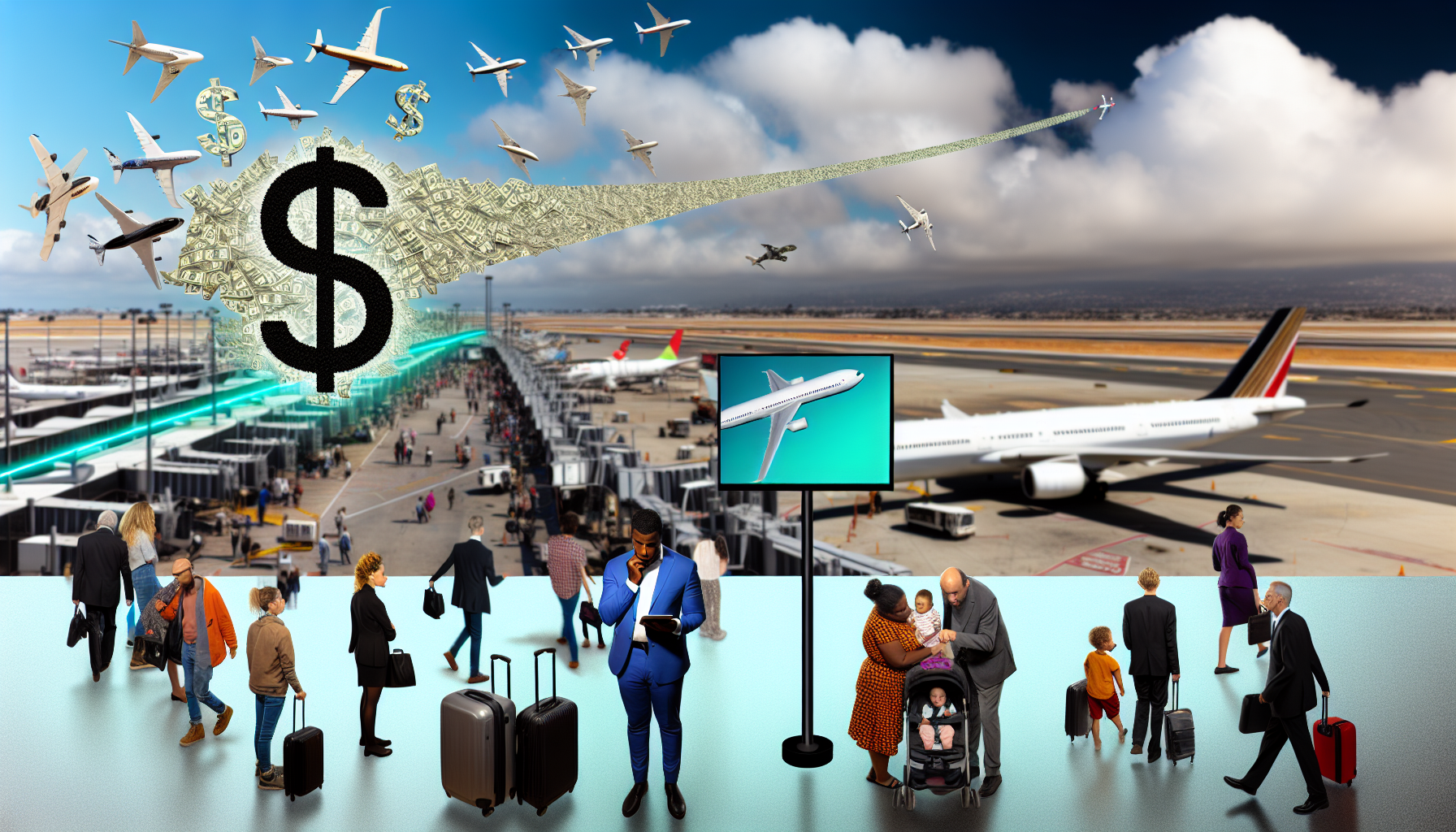
As the world emerges from the shadow of the COVID-19 pandemic, the air travel industry is witnessing a remarkable resurgence in 2026. Despite facing a multitude of challenges, including rising operational costs and ticket prices, more travelers are opting to take to the skies. This article explores the factors driving this surge in air travel and what it means for the future of the aviation sector.
The Post-Pandemic Recovery
One of the primary catalysts for the increase in air passenger traffic is the recovering demand as countries continue to lift travel restrictions. After years of lockdowns and travel bans, people are eager to explore new destinations, reconnect with loved ones, and fulfill their wanderlust. This renewed interest in travel is reflected in the soaring passenger numbers, which have consistently climbed throughout the year.
Economic Factors at Play
In addition to pent-up demand, improved economic conditions are also contributing to the air travel boom. As economies stabilize and grow, disposable incomes rise, allowing more individuals and families to invest in travel experiences. This economic uplift is particularly noticeable in regions that were severely impacted by the pandemic, where citizens are now prioritizing leisure travel.
Understanding the Surge in Air Passenger Traffic
Statistics from various aviation authorities indicate a significant uptick in air passenger numbers in 2026. For instance, global airlines reported an increase in passenger traffic compared to previous years, signaling a robust recovery trajectory. This trend is not isolated; it is occurring across multiple regions, showcasing a global revival in travel.
Regional Highlights
- North America: The region has seen a substantial increase in domestic travel, with citizens increasingly choosing to explore their own backyards. Low-cost carriers have played a significant role in making air travel accessible to more people.
- Europe: European air travel has rebounded impressively, with summer travel peaks driving demand. Popular holiday destinations are once again bustling with tourists, thanks to affordable fares and competitive pricing among airlines.
- Asia-Pacific: Countries in this region have reopened their borders, and travelers are eager to visit iconic destinations. The return of international flights has further fueled the growth in passenger traffic.
Rising Costs: A Double-Edged Sword
Despite the overall positive outlook, the aviation industry is grappling with rising operational costs. Factors such as increased fuel prices, labor shortages, and inflation are leading airlines to raise ticket prices. Interestingly, this has not deterred travelers; instead, they appear willing to pay a premium for the convenience and experience that air travel offers.
Consumer Behavior Shifts
In light of rising costs, consumer behavior is evolving. Many travelers are prioritizing quality and experience over cost alone. This shift is evident in the growing trend of premium services, such as business class upgrades and airline loyalty programs, which are gaining traction among frequent flyers.
The Role of Technology in Aviation
As airlines adapt to the changing landscape, technology plays a crucial role in enhancing the travel experience. Innovations such as contactless check-in, advanced booking systems, and improved customer service platforms are making air travel more efficient and enjoyable.
Environmental Considerations
Moreover, there is a growing awareness of the environmental impact of air travel. In response, many airlines are investing in sustainable practices, including fuel-efficient aircraft and carbon offset programs. This commitment to sustainability is resonating with travelers, who are increasingly considering their carbon footprint when making travel decisions.
Future Outlook for Air Travel
The current trends suggest that the aviation industry is on a path to not only recover but thrive in the coming years. While challenges remain, the resilience demonstrated by airlines and the willingness of consumers to embrace air travel underscore a promising future.
Industry Predictions
Experts predict that as the global economy continues to improve and operational challenges are addressed, air travel will become even more accessible. The focus on enhancing customer experiences and sustainable practices will likely shape the industry landscape in the years ahead.
Conclusion
In conclusion, the surge in air travel in 2026 is a testament to the resilience of the aviation industry and the enduring desire of people to explore the world. Despite rising costs, travelers are returning to the skies, driven by a combination of recovering demand, improved economic conditions, and a willingness to invest in their travel experiences. As we look to the future, the air travel sector is poised for continued growth, adapting to the needs of a new generation of travelers.