

“`html
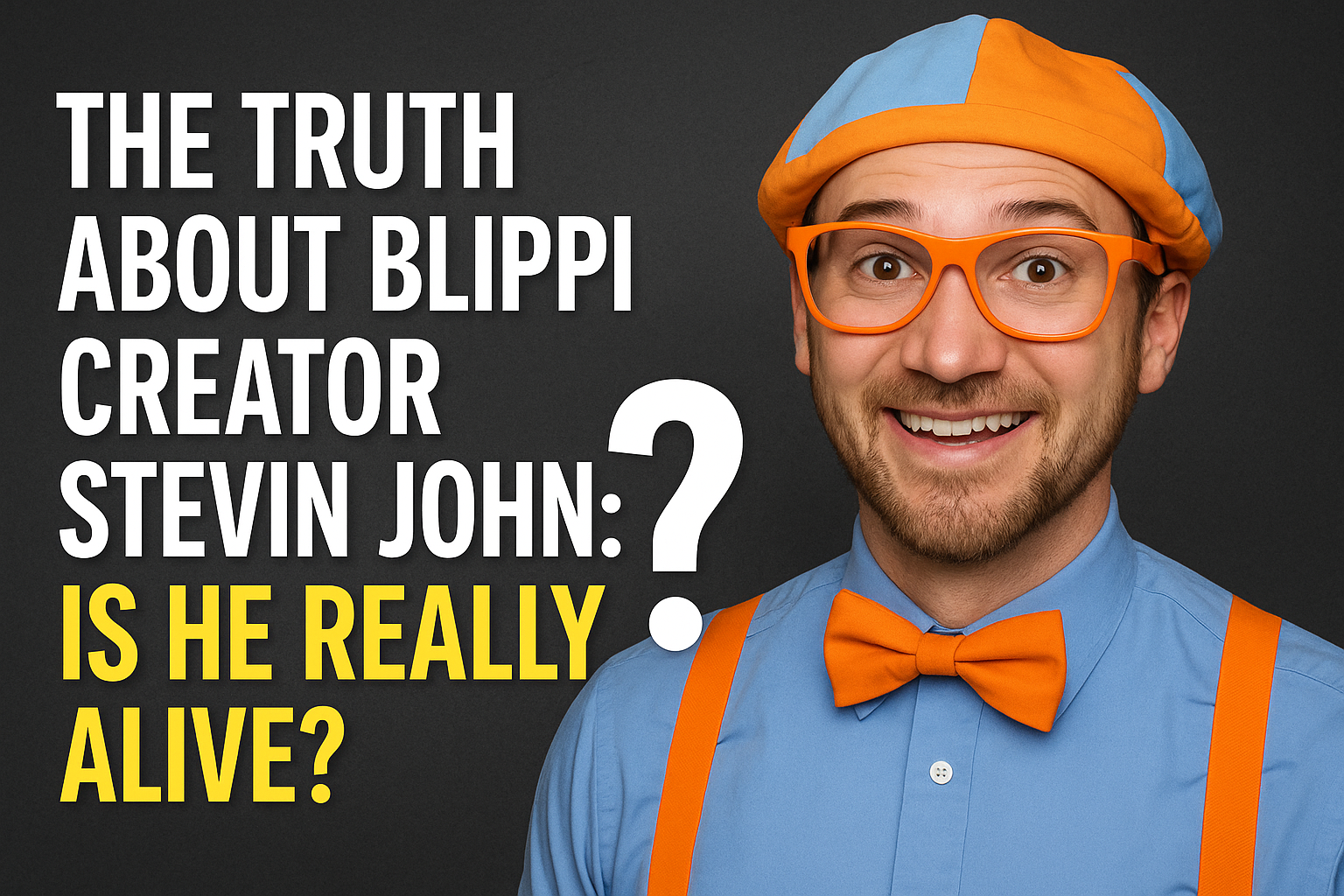
Recently, a concerning rumor about the Blippi creator alive status began circulating online, igniting a wave of panic among fans and parents alike. The viral death hoax surrounding Stevin John, the face behind the beloved children’s character Blippi, highlights the volatile nature of information in our digital age. What started as a simple glitch in a Google search quickly spiraled into widespread misinformation, prompting many to question the accuracy of online information.
How the Hoax Began
It all started when users began searching for information about Stevin John, and a glitch in Google’s search algorithm produced misleading results suggesting he had passed away. This glitch triggered a frenzy on social media platforms and parenting forums, where users scrambled to confirm the shocking news. The combination of a well-known figure like John and the sensational nature of the claim made it ripe for rapid spread, drawing in countless users who feared the worst. For more on this, see parenting tips in the digital era.
As people began sharing the news, the anxiety grew, especially among parents who rely on Blippi’s educational content for their children. Stevin John’s character has become a staple in many households, and the thought of losing such a significant figure was deeply unsettling for many. Parents turned to social media, desperately seeking reassurance, further fuelling the hysteria.
The Role of Misinformation in the Digital Age
This incident serves as a stark reminder of how quickly misinformation can spread in our digital landscape. The internet has revolutionized the way we receive and disseminate information, but it has also created a breeding ground for rumors and hoaxes. According to a recent study by MIT, false news spreads six times faster than true news on Twitter, illustrating the challenges we face in discerning fact from fiction.
In this case, the search engine glitch acted as a catalyst, highlighting how technology can inadvertently contribute to the spread of false information. Without a proper family statement or official confirmation from trusted sources, the rumor lacked any credible backing. Yet, the emotional weight carried by the claim—especially one involving a beloved children’s entertainer—was enough to spark a wildfire of speculation.
Reactions from Fans and the Online Community
The reaction to the rumor was immediate and intense. Social media platforms were flooded with posts expressing disbelief and sadness. Some users shared their personal connections to Blippi, recounting how John’s character had impacted their children’s lives. Videos, memes, and tributes began to circulate, illustrating the profound influence the character has had.
Amid the chaos, others sought to debunk the rumor. Twitter threads and Facebook posts began popping up, providing evidence of John’s ongoing work and recent appearances. Supporters were quick to remind others that without conclusive evidence from credible sources, they should be cautious in believing such alarming news.
Why Such Hoaxes Are So Engaging
The emotional response to death hoaxes, especially concerning public figures, taps into a primal fear: the loss of someone we admire. In the case of Stevin John, parents and fans felt a personal connection to his work, leading to heightened reactions. The phenomenon is not new; death hoaxes concerning celebrities regularly capture public attention. (See: Misinformation on social media platforms.)
What’s particularly troubling is that these hoaxes often garner higher engagement than positive news. The fear-of-missing-out behavior kicks in, making individuals rush to verify the news, share it, or discuss it with friends and family. This cycle perpetuates the virality of the misinformation, sometimes overshadowing the truth.
Setting the Record Straight
Fortunately, in this case, the truth about the Blippi creator alive status came swiftly. As the frenzy continued, more reliable sources began reporting that Stevin John was indeed alive and well. As of the latest updates, there has been no family statement or official confirmation that would support the death claim, effectively debunking the rumor.
John himself took to social media to reassure fans, posting updates about his ongoing projects and affirming his health. The clarification came as a relief to many who had been distressed by the hoax, but it also served as a wake-up call about the importance of verifying information before sharing it.
Lessons Learned from the Incident
This incident underscores the need for critical thinking when consuming information online. The speed at which misinformation travels begs the question: how can we better equip ourselves to discern fact from fiction? Here are a few strategies to consider:
- Check multiple sources: Before believing or sharing news, look for confirmation from reputable outlets.
- Investigate the source: Be wary of content that lacks attribution or comes from unfamiliar sites.
- Stay updated: Follow trusted news sources for accurate information regarding public figures and events.
- Educate others: If you encounter misinformation, politely correct it and provide reliable sources to back your claims.
Through these steps, individuals can help combat the spread of misinformation and foster a more informed online community.
The Future of Misinformation and Public Figures
As technology evolves, so too will the challenges we face with misinformation. Public figures like Stevin John wield significant influence, and with that comes responsibility on both ends—celebrities to communicate effectively and the public to verify information. The Blippi creator alive incident serves as a poignant example of what can happen when information dissemination goes awry.
Looking ahead, we can expect more instances where rapid misinformation coupled with emotional reactions will create chaos online. Digital literacy will become increasingly crucial in navigating this landscape. As consumers of media, we must hone our ability to critically assess the information we encounter.
Ultimately, while the Blippi creator alive incident had a positive outcome, it’s essential to remain vigilant. As we navigate the complexities of the digital information age, let’s prioritize accuracy and rely on trusted sources to guide our understanding.
Understanding the Impact of Blippi’s Work
Blippi, created by Stevin John, has become a cultural phenomenon in children’s entertainment. Initially launched on YouTube in 2014, the character has won the hearts of millions of children and parents alike. The educational content wrapped in fun, colorful adventures effectively teaches preschoolers about numbers, letters, colors, and shapes. As of 2023, Blippi has amassed over 17 million subscribers and billions of views, illustrating the show’s enormous reach and impact. (See: Guidelines for effective communication.)
Research indicates that educational programming can significantly enhance a child’s learning and development. A study published in the journal “Child Development” noted that children who watch educational shows like Blippi tend to perform better in school compared to those who don’t. This serves as a testament to the importance of Stevin John’s work, demonstrating that media can play a critical role in early childhood education.
Statistics on Children’s Media Consumption
To further understand the influence of Blippi, consider these statistics regarding children’s media consumption:
- According to a 2023 report by Common Sense Media, children ages 2 to 5 spend an average of nearly 2 hours a day consuming media.
- The same report states that 80% of parents believe that educational programming can help their children learn essential skills.
- Moreover, research from the Pew Research Center indicates that 98% of families with young children own a mobile device, making them readily accessible platforms for educational content.
These figures underscore the necessity for engaging, quality content like Blippi, which can serve as both entertainment and educational resources for children during formative years.
Expert Perspectives on Misinformation
Various experts have weighed in on the implications of misinformation, especially in relation to public figures like Stevin John. Media psychologist Dr. Pamela Rutledge points out that “the emotional response to misinformation can be more potent than the actual content. People often react to feelings rather than facts.” This reaction often leads to a cycle of sharing unverified news without critical evaluation.
Similarly, Dr. Jennifer Golbeck, a leading researcher in social media, emphasizes the role of platforms: “Social media companies must take greater responsibility for the information shared on their platforms. They can implement stronger algorithms that prioritize verified news over sensationalist claims.”
Preventing Future Hoaxes: Community Responsibility
As individuals, we all have a role in mitigating misinformation. Engaging in discussions about the importance of fact-checking can raise awareness within communities, especially among parents who rely heavily on digital information for their children. Parent groups can organize workshops or online meetups focusing on media literacy, ensuring that guardians are equipped to discern fact from fiction.
FAQs about Blippi and Misinformation
Is Stevin John the only creator of Blippi?
While Stevin John is the original creator and face of Blippi, his team has grown over the years. They now include various writers, production staff, and performers who contribute to the show’s development and content.
How can I verify information about public figures like Stevin John?
To verify information about public figures, check multiple trusted news sources, look for official statements on their verified social media accounts, and consult reputable entertainment news outlets. (See: Impact of misinformation in digital age.)
What are some other educational programs similar to Blippi?
Some other popular educational programs include “Bluey,” “Sesame Street,” “Daniel Tiger’s Neighborhood,” and “Paw Patrol.” Each of these shows incorporates learning into fun narratives, making them appealing to young viewers.
How does misinformation affect children’s media consumption?
Misinformation can lead to confusion and anxiety among parents about the content their children consume. When false claims circulate, it may result in parents withdrawing their children from beneficial educational programs, adversely affecting learning opportunities.
What steps can parents take to ensure their children consume quality media?
Parents can research children’s media thoroughly before allowing it into their homes. Recommendations from educators, reviews from parenting websites, and conversations with other parents can provide insights into what content is truly educational and age-appropriate.
How can I help my child understand misinformation?
Talking to children about how to verify facts can empower them. Teach them to ask questions about what they see, encourage them to think critically about the information they consume, and show them how to check trusted sources for confirmation. (K-12 success insights for parents)
By understanding the dynamics of misinformation, the media landscape, and the value of educational programming, we can promote a more informed and responsible community. Let’s remember the importance of checking facts and supporting creators like Stevin John, who positively impact children’s lives.
“`
Trending Now
Frequently Asked Questions
Is Blippi creator Stevin John really alive?
Yes, Stevin John, the creator of Blippi, is alive. Recent rumors about his death were sparked by a glitch in Google's search algorithm, which misled users into believing he had passed away.
What caused the rumors about Stevin John's death?
The rumors began when a glitch in Google's search results suggested that Stevin John had died. This misinformation quickly spread on social media, causing panic among fans and parents.
How did the Blippi death hoax spread?
The hoax spread rapidly through social media and parenting forums as users shared the misleading information, driven by anxiety over the thought of losing a beloved children's character.
What impact did the misinformation have on fans?
The misinformation caused widespread concern and anxiety among fans and parents who rely on Blippi for children's educational content, highlighting the emotional connection many have with the character.
What does this incident say about misinformation online?
This incident underscores the dangers of misinformation in the digital age, illustrating how quickly false news can spread, especially when technology, like search engines, inadvertently contributes to it.
What's your take on this? Share your thoughts in the comments below — we read every one.






