
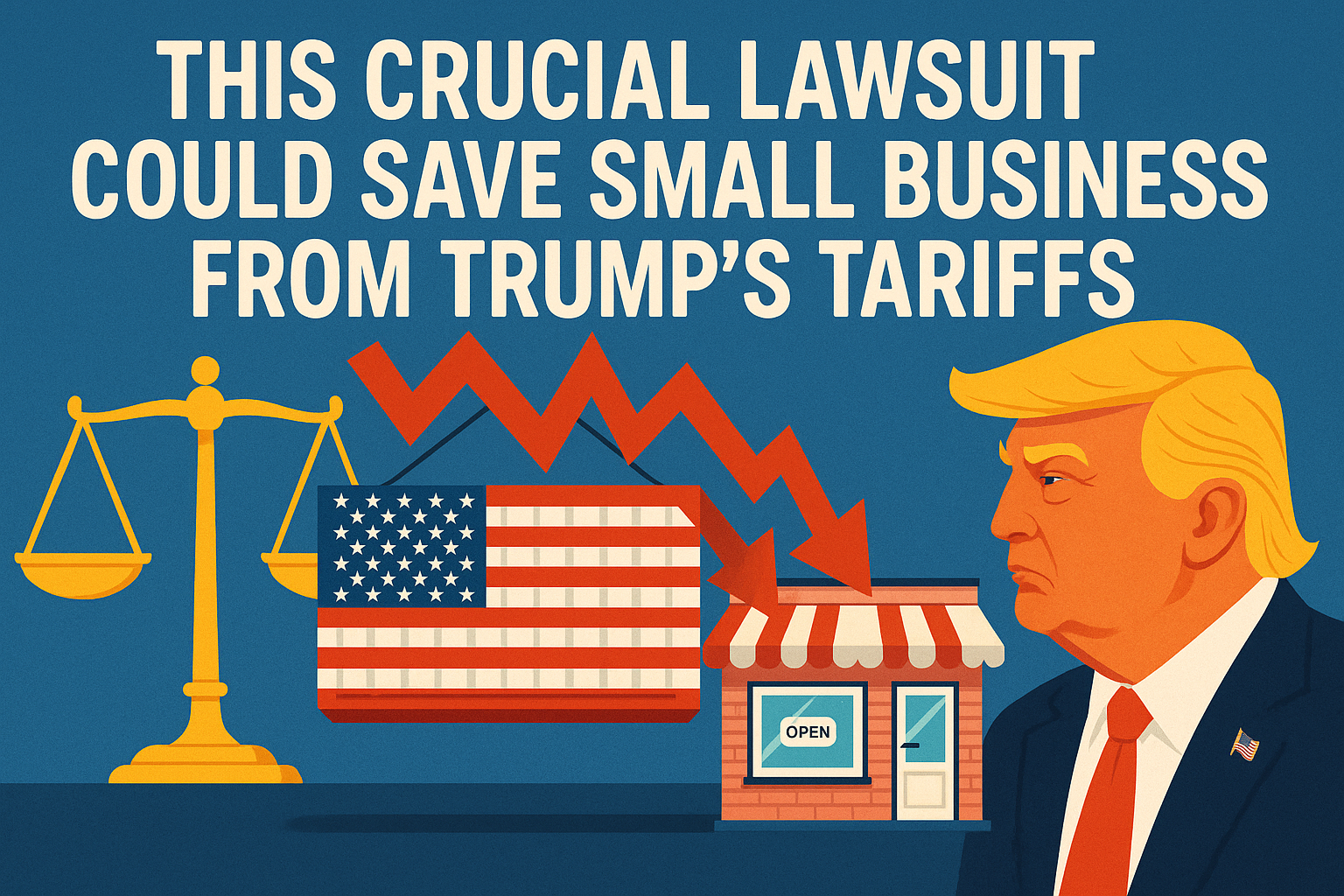

The economic landscape for small businesses in the United States just got a lot more complicated. If you’re importing goods, or even if your suppliers are, you’re likely feeling the tremors from the Trump administration’s latest move: a sweeping new set of tariffs. These aren’t minor adjustments; we’re talking about levies ranging from 10% to 12.5% on imports from a staggering 60 trading partners. Effective July 25, 2026, these tariffs are designed to impact nearly all U.S. imports, and the reasoning behind them – claims of inadequate enforcement of forced labor bans by these nations – has ignited a firestorm of controversy. For many small business owners, the immediate question isn’t about the geopolitics, but rather, how small businesses can cope with Trump’s new tariffs without seeing their margins evaporate or their operations grind to a halt.
This isn’t just policy chatter; it’s already causing real-world economic fallout. Right after the announcement, Asian markets took a nosedive. South Korea’s Kospi plunged 5.9%, and Japan’s Nikkei 225 wasn’t far behind, dropping 3.1%. Major tech firms, often reliant on complex global supply chains, were hit particularly hard. It’s a stark reminder that trade policies, especially those as broad and aggressive as these, have immediate and far-reaching consequences. And while the administration frames this as reconstructing a “tariff wall” after previous legal setbacks, for the entrepreneurs on the ground, it feels like a wall just went up right in front of their bottom line.
What makes this situation even more volatile is the legal battle already underway. Small businesses, facing an existential threat, aren’t sitting idly by. They’ve launched lawsuits in the U.S. Court of International Trade, challenging the very legality of using Section 301 of the Trade Act of 1974 as the basis for these tariffs. This isn’t just a technicality; it’s a fundamental challenge to the administration’s authority and a crucial avenue for recourse. The allegations of forced labor, while emotionally charged and serious, add another layer of complexity, making this a virally discussed topic across social media and generating high search volumes for anyone trying to understand the implications.
Understanding the New Tariff Landscape: What’s Changed?
Let’s break down exactly what we’re facing. The previous rounds of tariffs under the Trump administration were often targeted, focusing on specific countries or product categories, largely China. What makes this new wave different, and arguably more insidious for small businesses, is its sheer breadth. We’re talking about tariffs on 60 trading partners. This isn’t just about one or two manufacturing hubs; it encompasses a vast swathe of the global economy. The rates themselves, 10% to 12.5%, might seem manageable in isolation, but when applied across an entire inventory, they quickly become crippling. For more on this, see silent betrayal of tax changes.
Imagine you’re a small online retailer specializing in unique home goods. Until now, you’ve sourced everything from a mix of manufacturers in South Korea, Vietnam, and Mexico. Suddenly, every single one of those shipments is subject to an additional 10-12.5% tax. Who absorbs that cost? Do you pass it entirely to the consumer, risking price sensitivity and losing market share? Do you eat the cost, sacrificing your already thin profit margins? Or do you try to find new suppliers, a process that can take months, if not years, and often comes with its own set of quality control and reliability risks? These are not hypothetical questions; they are the immediate, pressing dilemmas facing thousands of small business owners.
The stated justification for these tariffs – that the affected nations failed to adequately enforce bans on forced labor goods – adds a moral dimension that can be difficult to navigate. While preventing forced labor is a universally laudable goal, using broad tariffs as the enforcement mechanism raises serious questions about efficacy and unintended consequences. Critics argue that such a blanket approach might punish legitimate businesses and workers in those countries, rather than effectively targeting the specific bad actors involved in forced labor practices. It also creates a perception of protectionism, which can lead to retaliatory measures from other nations, further destabilizing global trade and making it even harder for small businesses to plan for the future. (See: worker protection and labor standards.)
The Legal Battlefield: Section 301 Challenges
One of the most promising avenues for small businesses to push back against these new tariffs is through legal challenges. The lawsuits initiated in the U.S. Court of International Trade are centered on the argument that the administration’s use of Section 301 of the Trade Act of 1974 for these tariffs is unlawful. For those unfamiliar, Section 301 grants the U.S. Trade Representative (USTR) broad authority to respond to unfair trade practices by foreign countries. However, there are established procedures and precedents for its application, and that’s where the legal challenge comes in.
Historically, Section 301 has been used to address specific, documented unfair trade practices that harm U.S. industries. The current administration’s justification, based on a perceived lack of enforcement of forced labor bans, is being scrutinized as potentially exceeding the scope of what Section 301 was intended for. Legal experts are debating whether this justification constitutes an “unreasonable or discriminatory act, policy, or practice” affecting U.S. commerce in the way the statute typically requires. If the courts agree that the administration has overstepped its authority or misused the statute, these tariffs could be invalidated, offering a significant reprieve for affected businesses.
These legal battles are often protracted and expensive, but for small businesses banding together, they represent a collective fight for survival. Think of it as a class-action lawsuit for economic justice. If successful, such a ruling wouldn’t just be a win for the plaintiffs; it would set a precedent that could protect all U.S. importers from similar broad, legally questionable tariff impositions in the future. It’s a high-stakes game, but one that many believe is essential to ensure a level playing field and prevent executive overreach in trade policy. Keeping an eye on these legal developments is paramount for any small business owner wondering how small businesses can cope with Trump’s new tariffs, as a favorable ruling could change everything.
Adapting Your Import Strategy: Practical Steps for Small Businesses
While the legal challenges unfold, small businesses can’t afford to wait. Proactive adaptation is crucial. Your import strategy needs a thorough re-evaluation, and quickly. One of the first things you should do is a comprehensive audit of your current supply chain. Identify all your imported goods, their countries of origin, and the specific tariffs that will apply to them. Understanding the exact financial impact is the first step toward mitigation.
Diversifying Your Sourcing
Perhaps the most immediate and impactful strategy is diversification. If you’ve been heavily reliant on a single country or a handful of countries now subject to these tariffs, it’s time to explore alternatives. Look for suppliers in countries that are not on the tariff list. This might mean sourcing from domestic manufacturers, or from other international partners. While this can be a complex process, involving due diligence on quality, reliability, and lead times, it’s a vital long-term solution. For example, if you’re importing electronics components from South Korea, could you find a reputable supplier in Taiwan or even within the U.S.? It’s not always easy, but it’s a necessary exercise.
Diversification isn’t just about avoiding tariffs; it also builds resilience. Relying too heavily on one region or supplier always carries risk, whether it’s political instability, natural disasters, or, as we’re seeing now, sudden trade policy shifts. A more geographically diverse supply chain can buffer your business against future shocks. Start by identifying your most critical inputs and exploring 2-3 alternative sourcing options for each. Even if you don’t fully switch immediately, having those options vetted and ready can provide invaluable flexibility.
Renegotiating with Suppliers and Customers
Don’t assume your current pricing structure is set in stone. Talk to your existing suppliers. Explain the situation and explore possibilities for price adjustments, shared cost burdens, or even different shipping methods that might reduce overall expenses. They are likely facing similar pressures and might be willing to work with you to preserve the relationship. Similarly, you may need to have difficult but honest conversations with your customers about potential price increases. Transparency is key here. Explain *why* prices are going up – due to external tariff pressures – rather than just presenting a higher bill. Some customers, especially in B2B contexts, might be more understanding if they grasp the broader economic forces at play. (See: impact of tariffs on small businesses.)
Exploring Tariff Mitigation Strategies
Beyond broad supply chain changes, there are more granular tactics for how small businesses can cope with Trump’s new tariffs. One often overlooked area is tariff engineering. This involves working with your suppliers to potentially modify products or their components in a way that allows them to fall under a different Harmonized System (HS) code, which might carry a lower or no tariff. This isn’t about evasion; it’s about legitimate classification. For instance, sometimes a slight alteration in materials or assembly location can change a product’s classification. This requires deep knowledge of customs regulations and product specifications, so consulting with a customs broker or trade lawyer is highly recommended.
Another strategy involves duty drawback programs. If you import goods, pay tariffs on them, and then export those same goods (or products manufactured with those goods) within a certain timeframe, you might be eligible for a refund of up to 99% of the duties paid. This can be a complex process with stringent record-keeping requirements, but for businesses engaged in re-export or manufacturing for export, it can represent significant savings. Again, professional guidance is essential to navigate the intricacies of these programs.
Finally, consider free trade agreements (FTAs). While these new tariffs are broad, the U.S. still has FTAs with many countries. If you can source from an FTA partner, your goods might be exempt from these specific tariffs, or benefit from preferential treatment. This goes back to the diversification point but specifically targets those countries with existing trade agreements. Understanding which countries have FTAs with the U.S. and what the rules of origin requirements are can be a powerful tool in your tariff mitigation arsenal.
The Role of Technology and Automation in Navigating Tariffs
In this increasingly complex trade environment, technology isn’t just a nice-to-have; it’s becoming a necessity for small businesses. Managing a diversified supply chain, tracking tariff changes, and ensuring compliance manually is a Herculean task. Supply chain management software, for example, can help you map out your entire network, identify vulnerabilities, and even model the impact of different tariff scenarios.
Automation can also play a crucial role in managing the administrative burden of tariffs. Customs compliance software can help classify goods, calculate duties, and prepare necessary documentation, reducing errors and saving valuable time. Imagine a system that automatically updates tariff rates based on new government announcements and flags potential issues before a shipment even leaves its origin country. This kind of predictive capability can be a game-changer for small businesses operating with lean teams.
Furthermore, data analytics can provide insights into your product profitability under various tariff scenarios. By analyzing sales data, cost of goods sold, and new tariff impacts, you can make informed decisions about which products to prioritize, which to re-source, and where to adjust pricing. Embracing these technological tools won’t just help you cope with the current tariffs; it will build a more resilient and agile business capable of adapting to future trade policy shifts, ensuring that you’re well-equipped to handle how small businesses can cope with Trump’s new tariffs and any subsequent changes. (See: economic fallout from trade policies.)
Advocacy and Collective Action: Making Your Voice Heard
Individual businesses can adapt, but collective action can change the rules. Small businesses often feel voiceless in the face of national policy, but that doesn’t have to be the case. Joining industry associations, chambers of commerce, and specific trade groups focused on import/export can amplify your concerns. These organizations often have lobbyists and legal teams dedicated to representing their members’ interests in Washington D.C.
Supporting the lawsuits challenging the legality of these tariffs, either through direct financial contributions (if applicable and legal) or by providing testimonials about the economic impact on your business, can strengthen the collective legal effort. Policymakers respond to data and stories; the more compelling evidence they have about the real-world harm these tariffs inflict on small businesses, the more pressure there will be for reconsideration or mitigation.
Engage with your local representatives. Write letters, make phone calls, or even request meetings. Explain how these tariffs directly affect your employees, your customers, and your community. Personal stories often resonate more than abstract economic arguments. Remember, you’re not just complaining; you’re providing vital information about the ground-level impact of policies that might seem abstract to those far removed from daily business operations. Your advocacy, combined with that of thousands of other small business owners, can be a powerful force for change, ultimately providing a more systemic answer to how small businesses can cope with Trump’s new tariffs.
The new tariffs present a formidable challenge, but they are not insurmountable. By understanding the changes, exploring legal avenues, strategically adapting import practices, leveraging technology, and engaging in collective advocacy, small businesses can navigate this turbulent trade environment. It requires vigilance, flexibility, and a willingness to explore new solutions, but with a proactive approach, you can safeguard your business and even emerge stronger on the other side.
Trending Now
Frequently Asked Questions
How will Trump's tariffs affect small businesses?
Trump's new tariffs, ranging from 10% to 12.5% on imports from 60 trading partners, pose a significant risk to small businesses. These levies can erode profit margins and disrupt operations, particularly for those reliant on imported goods or complex supply chains. Small business owners are actively seeking ways to cope with these economic challenges.
What are the reasons behind the new tariffs?
The tariffs are justified by the Trump administration as a response to inadequate enforcement of forced labor bans by several nations. This sweeping move aims to protect U.S. interests but has sparked controversy and raised concerns among small business owners about its immediate economic impact.
What legal actions are small businesses taking against the tariffs?
Small businesses have initiated lawsuits in the U.S. Court of International Trade, challenging the legality of the tariffs under Section 301 of the Trade Act of 1974. This legal battle represents a crucial effort to contest the administration's authority and protect their livelihoods.
What impact did the tariffs have on global markets?
Following the announcement of the tariffs, Asian markets experienced significant declines, with South Korea's Kospi dropping 5.9% and Japan's Nikkei 225 falling 3.1%. This reflects the immediate and far-reaching consequences of aggressive trade policies on global economic stability.
When do the new tariffs go into effect?
The new tariffs are set to take effect on July 25, 2026. Small businesses need to prepare for these changes as they will affect nearly all U.S. imports, making it crucial for them to strategize on how to mitigate the financial impact.
lawsuit over healthcare coverage offers useful background here.
Agree or disagree? Drop a comment and tell us what you think.






