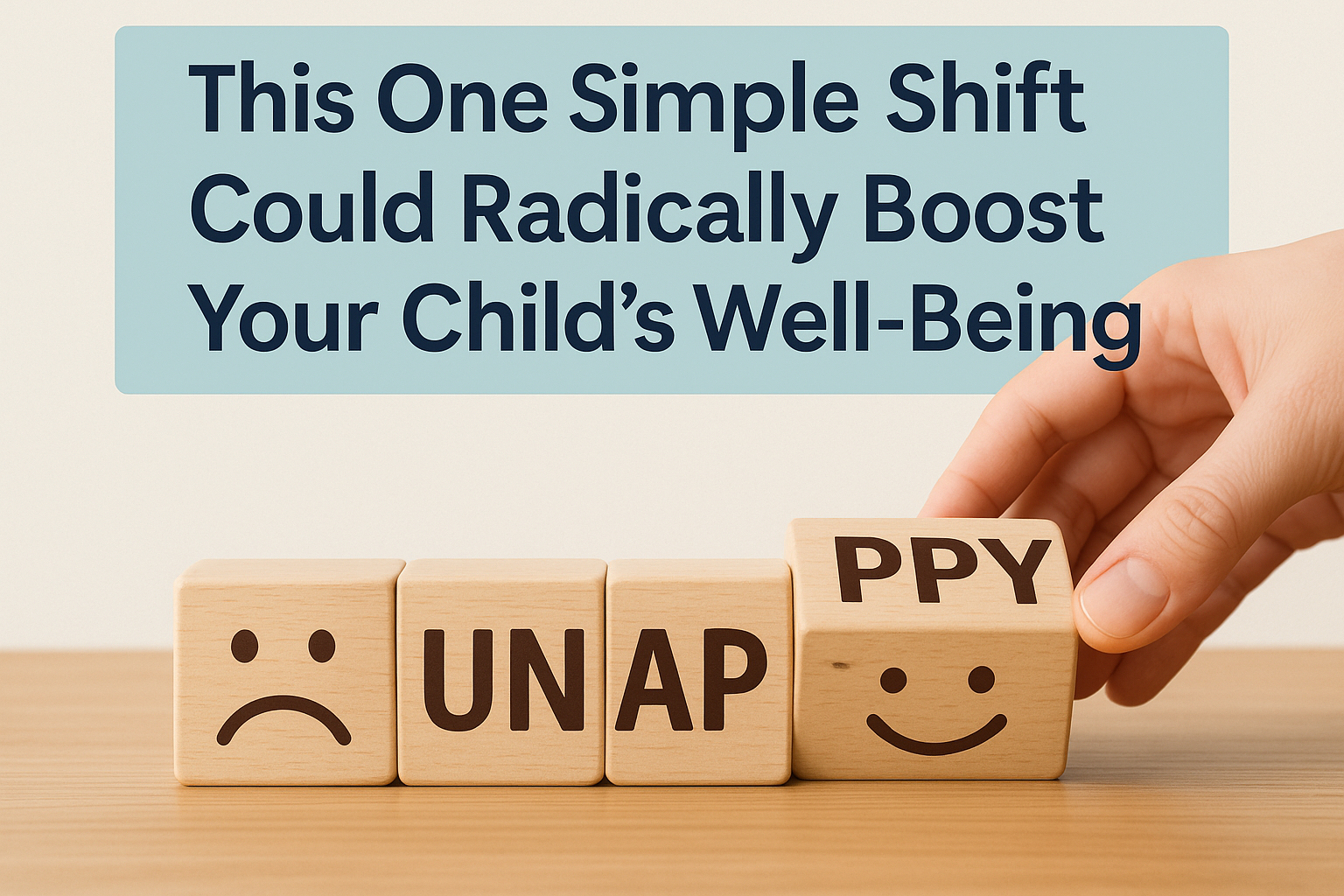

The buzz around ‘Toy Story 5’ isn’t just about Woody and Buzz’s latest adventure; it’s sparked a vital, often uncomfortable, conversation among parents everywhere: how much screen time is too much, and what are we losing when we rely on screens to occupy our kids? It’s a discussion that hits close to home for many, especially when you consider some truly sobering statistics. Think about this: a Common Sense Media study found that a staggering 40% of children own a tablet by age two, and that number jumps to 60% by age four. And let’s be honest, 66% of parents confess they use screens to get a much-needed break. We’ve all been there, right?
But the stakes are higher than just a momentary reprieve. A study published by the Journal of Human Development and Capabilities revealed a chilling link: 48% of young women and 31% of young men who owned a smartphone by age six later reported suicidal thoughts. That’s not just a statistic; it’s a gut punch. It’s no wonder then that discussions are heating up around potential legislation, like North Carolina’s House Bill 301, which aims to restrict social media access for children under 13. This isn’t about shaming anyone; it’s about confronting a complex issue that impacts our children’s long-term mental health and development. While the debate over government intervention vs. parental responsibility rages on, one thing is clear: fostering imaginative, screen-free play is more crucial than ever. Let’s explore some of the best screen-free activities for kids that can truly make a difference.
1. Creative Storytelling & Imaginative Play: Building Worlds Beyond the Screen
One of the most powerful ways to engage a child’s mind without a screen is through the timeless art of storytelling and imaginative play. Remember those days of creating entire universes with a few action figures or dolls? That’s precisely what we need to bring back. Instead of passively watching a narrative unfold on a tablet, children actively become the architects of their own stories. This could be as simple as gathering a few stuffed animals and asking, “What adventure are they going on today?” or giving them a prompt like, “Imagine you’re an astronaut exploring a new planet – what do you see?”
This kind of play isn’t just fun; it’s a critical developmental tool. When children invent characters, plotlines, and scenarios, they’re honing their narrative skills, problem-solving abilities, and emotional intelligence. They learn to empathize with different perspectives, understand cause and effect, and articulate complex ideas. Moreover, it strengthens their executive functions – things like planning, organizing, and sustained attention – skills that screens often bypass. Encouraging imaginative play is one of the best screen-free activities for kids because it lays the groundwork for lifelong creativity and critical thinking. For more on this, see revisiting screen time.
2. Outdoor Adventures & Nature Exploration: Reconnecting with the Real World
There’s an undeniable magic in letting kids simply be kids outdoors. From building mud pies and climbing trees to searching for interesting rocks and insects, nature offers an endless playground for discovery. It’s a stark contrast to the confined, two-dimensional world of screens. Take them to a local park, a nature trail, or even just your backyard. Give them a magnifying glass, a bucket, and a sense of wonder, and watch them transform into budding scientists and adventurers.
Engaging with nature provides a wealth of sensory experiences that screens simply cannot replicate. The smell of fresh earth after rain, the feel of rough bark, the sound of birdsong – these inputs are vital for healthy brain development and reducing stress. Studies have shown that time spent in nature can improve concentration, reduce symptoms of ADHD, and boost overall mood. It also encourages physical activity, which is essential for combating childhood obesity and promoting healthy growth. Letting children explore the natural world is among the most enriching screen-free activities for kids, fostering curiosity, resilience, and a deep appreciation for their environment. (See: CDC Youth Risk Behavior Surveillance.)
3. Hands-On Arts & Crafts Projects: Unleashing Inner Picassos
What child doesn’t love to get a little messy in the name of creativity? Hands-on arts and crafts projects are fantastic for developing fine motor skills, encouraging self-expression, and teaching patience. Think beyond just coloring books; introduce them to painting with different mediums, sculpting with playdough or clay, making collages from recycled materials, or even simple origami. The beauty of art is that there’s no right or wrong way to do it, which frees children to experiment and take risks without fear of failure.
When kids engage in crafts, they’re not just making something pretty; they’re problem-solving. How do I make this piece of paper stand up? What colors will mix to create purple? This process requires planning, spatial reasoning, and a healthy dose of persistence. Plus, the tactile experience of working with different textures and materials is incredibly stimulating for young minds. Providing opportunities for artistic creation is one of the best screen-free activities for kids, fostering innovation, confidence, and a unique way to communicate their inner world.
4. Building & Construction Play: Engineering Minds, Block by Block
From LEGOs and Magna-Tiles to simple wooden blocks, construction toys are powerhouse tools for cognitive development. When children build, they’re engaging in complex spatial reasoning, understanding physics (even if they don’t know the term), and developing critical problem-solving skills. They learn about balance, symmetry, cause and effect, and how different shapes fit together. It’s like a mini engineering challenge every time they sit down to play. Related reading: balancing tech and life.
This type of play also encourages planning and sequential thinking. A child needs to decide what they want to build, then figure out the steps to achieve it. What pieces do I need? Where do they go? What happens if I make a mistake? They learn to adapt, rebuild, and try again, fostering resilience and persistence. Whether they’re constructing a towering castle, a sprawling city, or an imaginative spaceship, building and construction play is among the most effective screen-free activities for kids, sharpening their minds and their focus.
5. Board Games & Card Games: Fun for the Whole Family
In an age where digital games often isolate players, board games and card games offer a refreshing return to shared experiences. These aren’t just about winning or losing; they’re about social interaction, learning to follow rules, taking turns, and managing emotions – whether that’s the joy of victory or the disappointment of defeat. Classic games like ‘Candy Land’ or ‘Chutes and Ladders’ are great for young children, teaching basic counting and color recognition. As they grow, move on to games like ‘Monopoly Junior,’ ‘Ticket to Ride,’ or ‘Uno,’ which introduce strategy, negotiation, and more complex decision-making.
Playing games together strengthens family bonds and creates lasting memories. It also provides a fantastic opportunity for parents to model good sportsmanship and teach valuable life lessons in a low-stakes environment. The give-and-take of a game, the laughter, and even the friendly competition are all vital components of social development. For quality family time and skill-building, board games are undeniably some of the best screen-free activities for kids. (See: North Carolina House Bill 301.) There’s a fuller look at understanding screen time.
6. Reading & Story Time: Journeying Through Books
It sounds obvious, but the simple act of reading – either independently or with a parent – is one of the most profound screen-free activities for kids. For younger children, being read to expands their vocabulary, introduces them to new concepts, and strengthens the parent-child bond. The interactive nature of turning pages, pointing out pictures, and discussing the story fosters early literacy skills and a lifelong love of books. It also ignites their imagination as they picture the characters and settings described.
For older children, independent reading opens up entire worlds. It improves comprehension, critical thinking, and empathy as they step into the shoes of different characters. Whether it’s a thrilling adventure, a historical epic, or a fantastical tale, books offer an escape that is both enriching and calming. Establishing a regular reading habit, even for just 15-20 minutes a day, can have an enormous positive impact on a child’s academic success and overall well-being. Don’t underestimate the power of a good book; it’s truly one of the best screen-free activities for kids.
7. Musical Exploration & Movement: Grooving to a Different Beat
Music is a universal language, and encouraging children to engage with it actively – rather than passively listening to a screen – can be incredibly beneficial. This doesn’t mean you need a grand piano or formal lessons right away. Start with simple things: banging on pots and pans (within reason!), shaking homemade shakers, or singing silly songs together. Introduce them to different genres of music and encourage them to move their bodies – dance, jump, twirl – expressing themselves freely. Consider bringing out some scarves or ribbons to enhance the movement.
Learning an instrument, even a simple recorder or ukulele, can teach discipline, coordination, and the satisfaction of mastering a skill. But even without formal lessons, active musical play helps with rhythm, pattern recognition, and emotional regulation. It’s a fantastic way to release energy, boost mood, and connect with others. Allowing children to explore music and movement is one of the most joyful and expressive screen-free activities for kids, fostering creativity and a healthy outlet for emotions.
8. Cooking & Baking Together: Delicious Learning Experiences
The kitchen isn’t just for adults! Inviting children to help with cooking and baking offers a wealth of learning opportunities disguised as fun. From measuring ingredients and stirring mixtures to kneading dough and decorating cookies, these activities teach practical life skills, basic math concepts (fractions, measurement), and scientific principles (what happens when you add heat?). Plus, it’s a wonderful way to foster a healthy relationship with food and encourage picky eaters to try new things when they’ve had a hand in preparing them.
Working together in the kitchen also strengthens communication and teamwork. It requires following instructions, patience, and a bit of problem-solving (what do we do if we run out of flour?). The sensory experience of touching different textures, smelling fragrant spices, and tasting the results is incredibly engaging. Preparing meals or treats together is one of the most practical and rewarding screen-free activities for kids, building confidence and delicious memories.
9. Household Chores & Responsibility Play: Building Character, One Task at a Time
This might not sound like the most exciting entry on a “best activities” list, but hear me out: involving children in age-appropriate household chores is incredibly beneficial and, yes, screen-free. It teaches responsibility, contributes to a sense of belonging, and helps them develop essential life skills. Even young toddlers can help put toys away, wipe spills, or put clothes in a hamper. Older children can help with setting the table, sorting laundry, or even helping prepare simple meals.
Frame it not as a punishment, but as contributing to the family team. Make it a game, put on some music, or race against a timer. The sense of accomplishment a child feels after contributing to the household is powerful and builds self-esteem. It also helps them understand that everyone has a role to play in maintaining a home. Instilling these habits early on is one of the most foundational screen-free activities for kids, preparing them for independence and fostering a strong work ethic. It’s about teaching them that being a part of a family means contributing, and that contribution is valuable. This builds on guidelines for limiting screen use.
The discussion around ‘Toy Story 5’ and its implications for screen time is a crucial one, forcing us to re-evaluate our habits and priorities as parents. While screens offer convenience, the potential long-term impacts on our children’s mental health, imagination, and social skills are too significant to ignore. By intentionally prioritizing these diverse, engaging, and enriching screen-free activities for kids, we’re not just filling time; we’re investing in their holistic development, fostering resilient minds, and nurturing their innate curiosity. It’s about giving them the tools and opportunities to build a richer, more vibrant world for themselves, one imaginative adventure at a time.
Trending Now
Frequently Asked Questions
How much screen time is too much for children?
Experts suggest that children should have limited screen time, especially under the age of two, as studies indicate that excessive use can lead to negative mental health outcomes. The American Academy of Pediatrics recommends no more than one hour of high-quality programming for children aged 2 to 5, emphasizing the importance of screen-free play.
What are the effects of screen time on children's mental health?
Research shows a concerning link between early smartphone ownership and increased suicidal thoughts in children. A study found that 48% of young women and 31% of young men who had smartphones by age six reported such thoughts later, highlighting the importance of monitoring screen time and promoting alternative activities.
What are some screen-free activities for kids?
Engaging children in creative storytelling and imaginative play are excellent screen-free activities. These can include building imaginary worlds with toys, role-playing, or crafting stories, which stimulate their creativity and cognitive development while providing a break from screens.
Why is imaginative play important for children?
Imaginative play is crucial for child development as it fosters creativity, problem-solving skills, and emotional intelligence. Engaging in such play allows children to express themselves, understand their surroundings, and develop social skills without the influence of screens.
What is House Bill 301 about?
North Carolina's House Bill 301 aims to restrict social media access for children under 13. This legislation is part of a broader discussion on the impact of screen time on children's mental health, emphasizing the need for parental responsibility and potential government intervention in safeguarding young users.
What's your take on this? Share your thoughts in the comments below — we read every one.