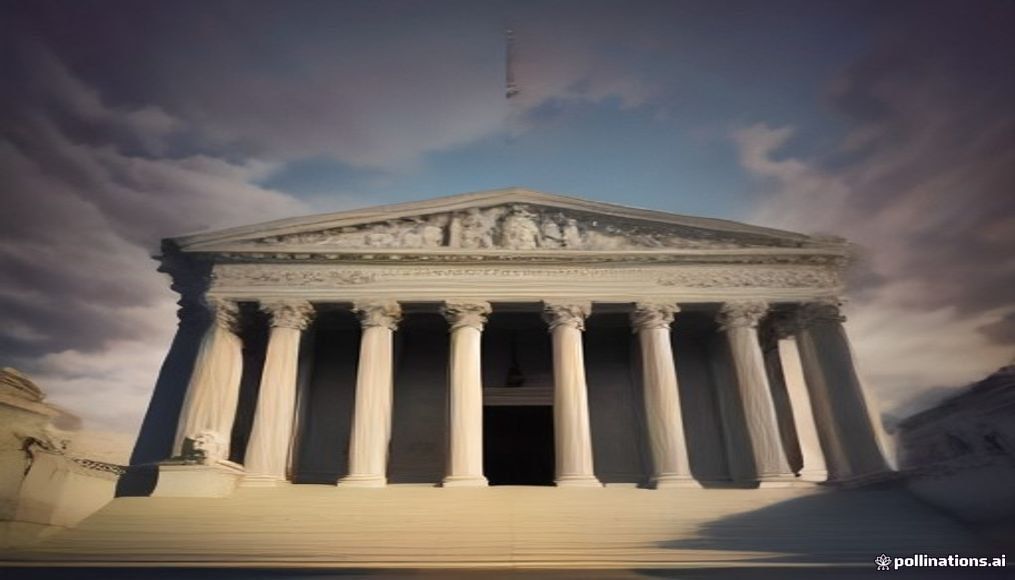

Get ready for a legal showdown that’s going to shake up American education, because the U.S. Supreme Court is gearing up for its 2026-27 term, kicking off on October 5, 2026. And let me tell you, it’s not going to be a quiet one. We’re looking at a docket packed with highly controversial education cases, the kind that spark heated debates at dinner tables and dominate social media feeds. These aren’t just arcane legal arguments; they touch on fundamental questions about who we are as a society and how we educate our children. We’re talking about hot-button issues like the reach of Title IX and, perhaps most contentious of all, the ever-present tension surrounding the separation of church and state. These Supreme Court K-12 cases promise to significantly impact the K-12 education landscape for years to come.
One particular case has already begun to capture national attention, and for good reason: *St. Mary Catholic Parish v. Roy* from Colorado. This isn’t just a local dispute; it’s a proxy battle in a much larger cultural war. At its heart, it involves two Catholic parishes and their preschools, institutions that have been benefiting from public funding allocated for a universal preschool program. Sounds straightforward, right? Not so fast. The core of the legal challenge lies in a state-mandated nondiscrimination agreement, a requirement for any entity that wants to participate in and receive funds from this public program. The plaintiffs, those Catholic parishes, are challenging this agreement, arguing vehemently against its terms. This isn’t merely a disagreement over semantics; it’s a deep-seated conflict over religious freedom, the constitutional use of public funds for religious institutions, and the precise scope of anti-discrimination policies in education. The sheer volume of social media engagement and search interest around this topic tells you everything you need to know: this is an emotionally charged, widely discussed, and incredibly important development.
The Colorado Controversy: Public Funds Meet Religious Doctrine
To really understand the stakes in *St. Mary Catholic Parish v. Roy*, we need to drill down into the specifics of Colorado’s universal preschool program. The state, recognizing the immense benefits of early childhood education, implemented a program designed to make preschool accessible to all families, regardless of income. This is a commendable goal, one that many states are striving for. To achieve this, Colorado wisely decided to partner with a wide array of providers, including private and religiously affiliated schools, much like the Catholic parishes involved here. This inclusive approach makes sense; it leverages existing infrastructure and expertise, expanding access far more rapidly than if the state had to build everything from scratch. However, with public funding inevitably comes public accountability, and that’s where the friction arises.
The state’s nondiscrimination agreement, a standard component for any program receiving taxpayer dollars, stipulates that participating entities cannot discriminate based on a range of protected characteristics, including sexual orientation and gender identity. For the St. Mary Catholic Parish and the other involved institution, this is a bridge too far. They argue that complying with this agreement would force them to violate their deeply held religious beliefs, which define marriage as exclusively between a man and a woman and hold specific views on gender identity. They see the state’s requirement as an infringement on their First Amendment rights, specifically their right to free exercise of religion. On the other side, the state and its allies argue that public funds cannot be used to subsidize discrimination, and that the nondiscrimination clause is a reasonable and necessary condition to ensure equitable access to public services for all citizens. This isn’t just a legal nicety; it’s about whose rights take precedence when they come into conflict: the religious freedom of an institution or the right of individuals not to be discriminated against by publicly funded programs. (See: CDC resources on education and health.)
A National Debate Ignited: Religious Freedom vs. Anti-Discrimination
The core tension in *St. Mary Catholic Parish v. Roy* isn’t new; it’s a recurring theme in American jurisprudence, particularly in the context of Supreme Court K-12 cases. We’ve seen variations of this argument play out in myriad ways, from wedding cake disputes to foster care services. What makes this case particularly salient for K-12 education is its direct link to early childhood development and the use of public money in religious schools. For proponents of religious freedom, this case is about protecting the autonomy of religious institutions to operate according to their faith, without fear of government coercion or the loss of public benefits. They argue that if religious schools are forced to abandon their tenets to receive public funding, it effectively penalizes them for their beliefs, creating a chilling effect on religious participation in public life.
Conversely, advocates for LGBTQ+ rights and anti-discrimination policies view this as a critical test of whether public funds can be used to endorse or facilitate discriminatory practices. They contend that allowing religious institutions to receive taxpayer money while simultaneously discriminating against certain groups creates a two-tiered system, where some citizens are denied equal access to publicly funded services based on their identity. This perspective emphasizes that while religious institutions have the right to practice their faith, that right doesn’t extend to using public funds to contravene generally applicable anti-discrimination laws. The debate isn’t about whether religious schools can exist or teach their doctrines; it’s about whether they can do so *with* public money while simultaneously being exempt from the very nondiscrimination standards that apply to other publicly funded entities. This distinction is crucial, and it’s what makes this case so contentious.
Title IX’s Shifting Sands and Future Supreme Court K-12 Cases
While *St. Mary Catholic Parish v. Roy* grabs the headlines, it’s crucial to remember that the 2026-27 term will likely feature other significant Supreme Court K-12 cases. One area that remains a constant source of legal wrangling is Title IX. This landmark civil rights law, passed in 1972, prohibits sex-based discrimination in any education program or activity receiving federal financial assistance. For decades, its primary focus was on ensuring equal opportunities for women in sports and academic fields. However, in recent years, its interpretation has expanded dramatically, particularly concerning issues of gender identity and sexual harassment.
The Biden administration, for instance, has taken an expansive view of Title IX, interpreting its protections to include LGBTQ+ students, especially regarding access to facilities like restrooms and participation in sports consistent with a student’s gender identity. This interpretation has been met with considerable pushback from conservative states and groups, who argue that it oversteps the original intent of Title IX and infringes on parental rights or traditional understandings of sex. We’ve already seen numerous legal challenges to these interpretations in lower courts, and it’s almost inevitable that one or more of these will eventually make their way to the Supreme Court. Future Supreme Court K-12 cases involving Title IX could redefine what constitutes sex-based discrimination, how schools must accommodate transgender students, and the responsibilities of educational institutions in preventing and responding to sexual harassment. The outcome of these cases won’t just affect policies; they’ll fundamentally alter the daily experiences of millions of students and educators across the country. (See: Supreme Court and religious schools.)
The Enduring Question of Church and State in Public Education
Beyond the specifics of *St. Mary Catholic Parish v. Roy*, the broader theme of the separation of church and state consistently fuels Supreme Court K-12 cases. This constitutional principle, derived from the First Amendment’s Establishment Clause, aims to prevent the government from establishing or endorsing a religion. Yet, its application in public education has always been a tightrope walk. We’ve seen landmark decisions on everything from prayer in schools to the display of religious symbols on public property. The current Court, with its conservative majority, has shown a tendency to favor religious liberty claims, often expanding the rights of religious individuals and institutions.
Consider the recent trend: the Court has ruled in favor of a football coach’s right to pray on the field, allowed public funds to be used for religious school tuition in certain circumstances, and generally signaled a more permissive stance toward religious expression in public spaces. This shift has profound implications for K-12 education. It raises questions about religious instruction in public schools, the funding of religious curricula, and the extent to which religious organizations can participate in state-sponsored programs without adhering to secular nondiscrimination rules. The line between protecting religious freedom and preventing government endorsement of religion is constantly being redrawn, and these upcoming cases will undoubtedly contribute to that evolving definition. For parents, students, and educators, understanding this evolving legal landscape is paramount, as it directly impacts the environment and values promoted within our schools.
The Ripple Effect: What These Cases Mean for Students, Parents, and Schools
When the Supreme Court hears a case, especially one touching on the fundamental rights and responsibilities of education, the impact is never confined to the courtroom. The decisions rendered in these Supreme Court K-12 cases will send ripple effects through every school district, every classroom, and every family in America. For students, particularly those who identify as LGBTQ+, the outcome of *St. Mary Catholic Parish v. Roy* and potential Title IX cases could determine whether they feel safe, respected, and included in publicly funded educational environments. If religious institutions are granted broad exemptions from nondiscrimination policies while receiving public funds, it could create environments where certain students feel marginalized or actively discriminated against, potentially hindering their educational experience and overall well-being. Conversely, for students attending religious schools, these cases speak to the ability of their institutions to maintain their distinct religious identity while still participating in state-sponsored initiatives.
For parents, these cases present a complex set of concerns. Some parents will cheer decisions that bolster religious freedom, seeing it as a victory for their values and the right to choose religiously aligned education for their children. Others will be deeply concerned, fearing that such decisions could undermine efforts to create inclusive and equitable educational systems for all students, potentially forcing them to choose between state-funded programs and their children’s safety or identity. School administrators and boards will face the daunting task of navigating these new legal precedents. They’ll have to revise policies, provide training, and potentially grapple with increased litigation, all while trying to maintain a cohesive and supportive learning environment for a diverse student body. The stakes couldn’t be higher, as these decisions will shape the very fabric of American public and publicly-funded private education.
Looking Ahead: An Education Landscape in Flux
As the 2026-27 Supreme Court term approaches, it’s clear that the K-12 education landscape is poised for significant transformation. These aren’t just abstract legal battles; they are deeply personal, touching on the values that define our communities and the protections we extend to our youngest citizens. The *St. Mary Catholic Parish v. Roy* case, with its direct challenge to nondiscrimination agreements in publicly funded preschools, is a prime example of how constitutional principles are being tested in real-world educational settings. It pits deeply held religious convictions against equally fervent commitments to equality and non-discrimination, asking the highest court in the land to draw a definitive line.
Beyond this specific case, the broader trend of the Supreme Court’s engagement with religious liberty and its evolving interpretation of civil rights laws like Title IX means that educators, policymakers, parents, and students alike need to pay very close attention. The decisions handed down in these Supreme Court K-12 cases won’t just clarify legal boundaries; they will reflect and, in turn, shape the cultural norms and expectations for inclusivity and religious practice within our schools. It’s an exciting, if sometimes unsettling, time to be involved in education, and the outcomes of these cases will undoubtedly leave an indelible mark on generations of students to come.
Trending Now
Frequently Asked Questions
What is the St. Mary Catholic Parish v. Roy case about?
The St. Mary Catholic Parish v. Roy case involves two Catholic parishes in Colorado challenging a state-mandated nondiscrimination agreement required for public funding of their preschools. The case raises significant questions about religious freedom, the use of public funds for religious institutions, and anti-discrimination policies in education.
How could the Supreme Court redefine religious freedom in schools?
The upcoming Supreme Court term is set to address controversial education cases, including those related to the separation of church and state. Decisions made in these cases, particularly like St. Mary Catholic Parish v. Roy, could redefine the boundaries of religious freedom in public educational institutions.
What impact will the Supreme Court's decisions on education have?
The Supreme Court's decisions in the 2026-27 term, especially regarding cases like St. Mary Catholic Parish v. Roy, are expected to significantly reshape the K-12 education landscape. These rulings could affect public funding for religious institutions and the enforcement of anti-discrimination policies in schools.
Why is the St. Mary Catholic Parish case receiving national attention?
The St. Mary Catholic Parish case has garnered national attention due to its implications for religious freedom and public funding in education. As a focal point in a larger cultural debate, it has sparked widespread discussion across social media and among legal experts.
What are the key issues at stake in the upcoming Supreme Court cases?
Key issues in the upcoming Supreme Court cases include the reach of Title IX, the separation of church and state, and the constitutional implications of public funding for religious institutions. These issues are central to ongoing debates about discrimination and religious freedom in education.
What's your take on this? Share your thoughts in the comments below — we read every one.