
“`html
Middle school can be a challenging time for students as they navigate the complexities of adolescence, academics, and emerging technology. As educators, parents, and mentors, understanding the perspectives of these young individuals is crucial. They often have unique insights into the role technology plays in their lives, yet their voices can get lost in the shuffle. In this article, we’ll explore the top 10 things middle school students wish you knew, particularly regarding technology and its impact on their experiences.
1. Technology Is Essential for Learning
Students in middle school have grown up in a digital age where technology is not just an accessory but a necessity. They wish adults understood that digital tools enhance their learning experiences. Nowadays, assignments often require online research, creating presentations, and collaborating with peers through platforms like Google Classroom. When students express a need for technology, they’re not looking for distractions; they’re advocating for tools that help them succeed academically.
Moreover, technology is not solely about academic performance. It also cultivates skills like critical thinking and creativity. Students are often engaged in projects that require them to think outside the box. Familiarity with various software and apps helps them become adaptable, which is crucial for their future careers, as most jobs will demand technological proficiency.
2. Social Media Is More Complicated Than It Seems
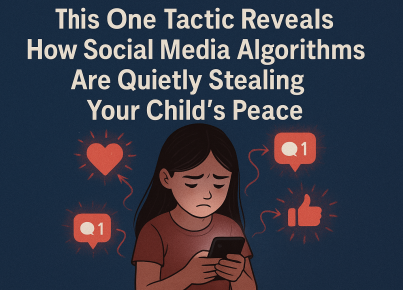
While many adults view social media as a simple means of connection, middle school students experience it as a complex web of social interactions that can be overwhelming. Students wish adults understood that social media platforms can be both a source of support and a source of stress. Issues like cyberbullying, FOMO (fear of missing out), and online reputations weigh heavily on their minds.
Middle school students often feel pressure to portray idealized versions of themselves online, which can lead to anxiety and self-esteem issues. By recognizing the complexities of social media, adults can engage in more meaningful conversations with students about digital citizenship and emotional well-being.
3. They Need Guidance, Not Just Restrictions
While it’s essential to monitor middle school students’ technology use, it’s equally important to provide guidance rather than impose blanket restrictions. Students often feel that adults approach technology with a “forbidden fruit” mentality, which can make them more curious and rebellious. They wish for constructive discussions about responsible use instead.
For instance, instead of simply blocking social media apps, adults could discuss age-appropriate platforms and explore the benefits and drawbacks of each. Teaching students about privacy settings, digital footprints, and the importance of respectful online communication empowers them to make informed choices about their technology use.
4. They Value Privacy
Middle school students are acutely aware of their online privacy, even if they aren’t always equipped to protect it. They wish adults would acknowledge their need for autonomy when it comes to their digital lives. Many students have accounts on various platforms that they want to keep private, yet they often feel that adults invade their space by demanding access to passwords or monitoring their accounts.
Teaching students about privacy is essential. Instead of demanding to see their texts or social media accounts, consider discussing the importance of privacy and consent in a digital context. This approach not only respects their autonomy but also fosters trust between students and adults. (See: U.S. Department of Education on technology.)
5. Gaming Can Be Educational
Gaming is often dismissed as a waste of time, but many middle school students believe it can be a valuable educational tool. They wish adults understood that many video games promote problem-solving, teamwork, and creativity. Games like Minecraft, for example, encourage students to think critically and collaborate with peers, skills they will need in the real world.
Moreover, educational games and platforms can enhance learning in subjects like math and science. When students engage with these games, they often build relationships with their peers, leading to a better social experience in school. Recognizing the educational potential of gaming can help bridge the gap between technology use and learning.
6. Online Collaboration Is Key
Collaboration has taken on a new form in the digital age. Middle schoolers often work on group projects online, making use of tools like Google Docs and Zoom. They wish adults understood that effective collaboration requires strong technological skills and knowledge of various digital platforms. Students who can navigate these tools can contribute more effectively to group projects and enhance communication.
Encouraging collaborative projects that utilize technology will not only help students hone their skills but also prepare them for a future where remote work and digital teamwork are the norms. Schools should consider integrating technology into their curricula to help students develop these essential skills early.
7. They Want to Be Heard
Middle school students often feel unheard in conversations about technology and education. They wish adults would actively seek their opinions rather than assuming they know what’s best. Engaging students in discussions about technology use within the classroom can provide valuable insights that help shape policies and practices.
Creating forums, surveys, or focus groups where students can voice their thoughts and experiences would foster a sense of ownership in their education. Moreover, listening to their concerns helps build stronger relationships between students and adults, ultimately leading to a more supportive learning environment.
8. They Appreciate Balance
Amidst the digital noise, middle school students long for balance. They wish adults acknowledged the importance of unplugging and engaging in offline activities. Many students feel overwhelmed by the constant connectivity that technology demands, leading to burnout. Finding a balance between tech time and personal time is essential for their well-being.
Encouraging students to participate in offline activities, such as sports, arts, and face-to-face interactions, can provide a much-needed break from screens. This balance can help them develop a well-rounded lifestyle that promotes mental health and well-being.
9. They Need Help with Digital Literacy
Digital literacy is a critical skill for today’s students, yet many middle schoolers feel unprepared to navigate the vast online world. They wish adults understood that possessing basic tech skills isn’t enough; they need guidance on how to evaluate information, identify credible sources, and protect themselves online.
Teaching digital literacy skills, such as fact-checking and understanding online biases, is essential. Schools should incorporate these lessons into their curricula to equip students with the tools they need to thrive in a digital landscape where misinformation is rampant. (See: CDC on youth and technology use.) common tech integration errors offers useful background here.
10. They Want to Discuss the Future
Finally, middle school students are often excited about the future of technology and how it will shape their lives. They wish adults would involve them in discussions about advancements like artificial intelligence, virtual reality, and the ethical implications of these technologies. Students are curious about how technology will affect their careers and the world around them.
By engaging students in conversations about future technologies, adults can help prepare them for the challenges and opportunities that lie ahead. This not only fosters a sense of curiosity but also encourages critical thinking about the role technology will play in their lives.
11. Importance of Cybersecurity Awareness
As digital natives, middle school students are frequently exposed to various online threats, including phishing scams, malware, and data breaches. They wish that adults would prioritize teaching students about cybersecurity. Understanding the importance of secure passwords, recognizing suspicious emails, and knowing how to protect their personal information are critical skills that they often lack.
Statistics reveal that around 40% of children aged 8 to 17 have reported experiencing some form of cyberbullying or online harassment. By educating students about cybersecurity, adults can help them navigate the digital world more safely. Schools can host workshops or create informative materials that cover best practices for staying safe online.
12. Encouragement to Explore Technology
Many middle school students are eager to explore technology beyond just social media or gaming. They are interested in coding, robotics, and even digital art. They wish adults would recognize their potential and provide opportunities for exploration in these fields. Regular STEM (Science, Technology, Engineering, and Math) activities can nurture these interests.
Additionally, programs like hackathons or coding camps can motivate students to engage with technology creatively. Sharing success stories of young innovators and technologists can inspire students to pursue their passions. By fostering an environment where they can experiment and learn, adults can help ignite a lifelong interest in technology.
13. Understanding the Impact of Screen Time
Screen time has been a hot topic of discussion, especially regarding its effects on young minds. Middle school students want adults to recognize that not all screen time is equal. While excessive use can have negative consequences, educational and meaningful engagement can be beneficial. They wish to have conversations around healthy screen time habits that distinguish between productive use and passive consumption.
Recent studies have shown that engaging with technology in constructive ways—such as educational games, video calls with family, or collaborative projects—can promote learning and social interaction. Adults can help students reflect on their screen time habits, encouraging them to engage in activities that are enriching rather than mindless. Related reading: solutions for educational tech.
14. FAQs About Middle School Technology Tips
1. What are some effective ways to help students become more responsible with technology?
Engage them in discussions about digital citizenship, set clear expectations, and model appropriate behavior. Encourage them to think critically about their online actions and the impact on themselves and others.
2. How can parents monitor their child’s online presence without invading their privacy?
Maintain open communication with your child about their online activities. Instead of demanding access to their accounts, ask them to share their experiences in a way they are comfortable with and stress the importance of privacy.
3. What are some essential digital literacy skills for middle school students?
Key skills include evaluating the credibility of sources, understanding online privacy settings, recognizing cyberbullying, and knowing how to protect personal information online.
4. How can schools better integrate technology into the curriculum?
Schools can offer project-based learning that incorporates technology, provide professional development for teachers on using educational tools, and create partnerships with tech organizations for resources and support.
5. How can students balance screen time and offline activities?
Encourage students to set specific times for tech use and mark periods for offline activities like sports, reading, or socializing with friends. Educating about the benefits of both can help them find a healthy balance.
In summary, middle school students have a wealth of insights about technology that adults often overlook. By understanding their perspectives on technology, we can build a more supportive environment that encourages learning, collaboration, and growth. Addressing their needs and concerns can lead to a more positive experience for everyone involved in their educational journey.
“`
Trending Now
Frequently Asked Questions
What do middle school students wish adults understood about technology?
Middle school students wish adults understood that technology is essential for their learning. Digital tools enhance academic experiences, facilitate collaboration, and help develop critical thinking and creativity. They advocate for technology not as a distraction but as a necessary resource for academic success.
How does social media impact middle school students?
Social media impacts middle school students in complex ways. While it can foster connections, it also introduces challenges like cyberbullying, FOMO, and the pressure to maintain an idealized online persona. Students wish adults recognized these pressures and the emotional toll they can take.
Why is technology important for middle school education?
Technology is important for middle school education because it enhances learning through online research, presentations, and collaboration. Familiarity with digital tools prepares students for future careers, as most jobs will require technological proficiency and adaptability.
What skills do middle school students develop through technology?
Through technology, middle school students develop critical thinking, creativity, and adaptability. Engaging with various software and apps allows them to learn how to think outside the box and equips them with essential skills for their future academic and career endeavors.
What challenges do middle school students face with social media?
Middle school students face several challenges with social media, including navigating cyberbullying, managing FOMO, and dealing with the pressure of online reputations. These issues can create significant stress, and students wish adults understood the complexities of their social media experiences.
Have you experienced this yourself? We'd love to hear your story in the comments.