
“`html
When it comes to epic tales of bravery and heroism, few stories resonate like Beowulf. This ancient poem not only captivates readers with its thrilling narrative but also serves as a crucial piece of literary history. For kids eager to dive into this world of monsters, warriors, and ancient customs, we’ve compiled the top ten Beowulf facts for kids that make this story both educational and entertaining.
1. What is Beowulf?
Beowulf is an Old English epic poem that dates back to between the 8th and 11th centuries. It’s one of the most significant works of Anglo-Saxon literature, often regarded as the oldest surviving long narrative in English. The poem follows the journey of a hero named Beowulf, who battles formidable monsters like Grendel, Grendel’s mother, and a dragon. This story not only explores themes of courage and honor but also reflects the society’s values of the time.
The poem is written in alliterative verse, a style that emphasizes the repetition of consonant sounds. This was a popular poetic form in Anglo-Saxon culture, making the text rhythmically engaging and memorable. For kids, understanding the form and historical context enriches their appreciation of this classic tale.
2. Beowulf: The Hero
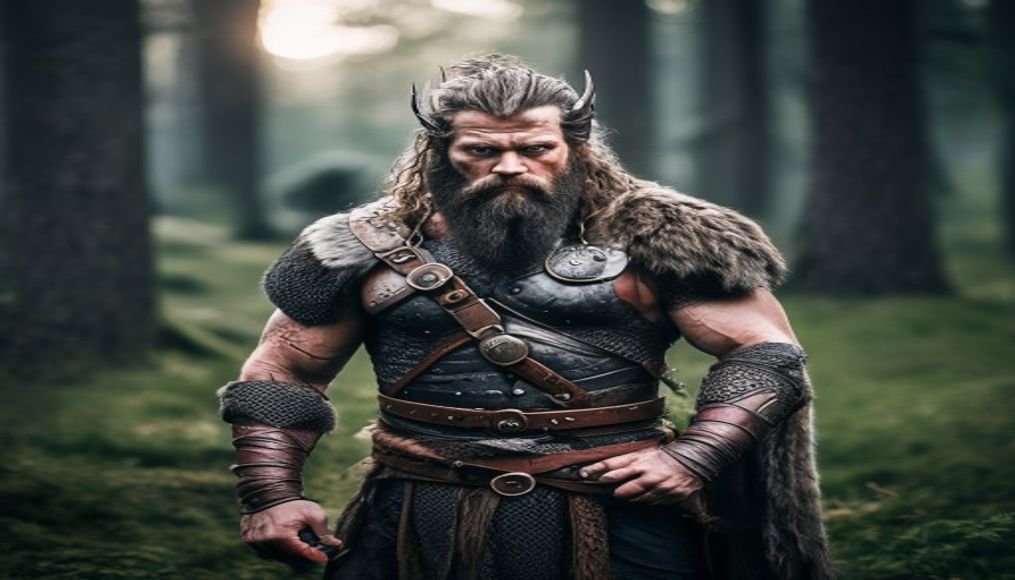
Beowulf, the protagonist of the poem, is an archetype of the hero in literature. He hails from Geatland (modern-day Sweden) and travels to Denmark to help King Hrothgar by defeating the monster Grendel, who has been terrorizing Hrothgar’s mead hall, Heorot. Beowulf’s character embodies the traits of strength, bravery, and loyalty, making him an exemplary figure for young readers.
His decision to face Grendel without weapons showcases his confidence and sense of honor, demonstrating that true bravery comes from within. This aspect of Beowulf’s character can inspire kids to think about what qualities make someone a hero in their own lives. Whether in sports, school, or friendships, courage and integrity are always valuable traits.
3. The Monsters
One of the most exciting aspects of Beowulf is the array of monsters that Beowulf confronts. The first is Grendel, a fearsome creature descended from Cain, the biblical figure known for his sin. Grendel embodies chaos and evil, preying on Hrothgar’s warriors and sowing fear in the hearts of the Danes.
After defeating Grendel, Beowulf faces Grendel’s mother, seeking revenge on behalf of her slain son. This battle takes place in her underwater lair, where Beowulf’s bravery is further tested. Lastly, in the latter part of the poem, Beowulf battles a dragon as an old king, showcasing the themes of age, legacy, and the eternal struggle between good and evil. These thrilling encounters provide ample material for kids’ imaginations and discussions on the nature of monsters in stories.
4. Lessons Learned
The tale of Beowulf is rich with valuable lessons for young audiences. One primary theme is the importance of courage and perseverance. Beowulf’s willingness to fight formidable foes, even at the cost of his life, demonstrates the significance of standing up for what is right, a lesson that resonates with children. (See: Wikipedia page on Beowulf.)
Additionally, the poem addresses the idea of reputation and legacy. Beowulf seeks to be remembered as a great warrior and leader. This can prompt discussions among kids about their own actions and how they want to be remembered. Encouraging them to think about their own contributions to their communities and friendships can instill a sense of responsibility and purpose.
5. Beowulf’s Journey
Beowulf’s journey is not just physical but also symbolic. He travels from Geatland to Denmark, illustrating the theme of the hero’s journey. In literature, this archetypal journey usually involves crossing thresholds, facing trials, and returning transformed. For kids, understanding this structure can help them recognize similar patterns in other stories they read.
Beowulf’s adventures also emphasize the importance of community and kinship. When he arrives in Denmark, he is greeted by Hrothgar and his people, reflecting the idea that heroes often rise in collaboration with their communities. This can foster discussions about teamwork and the value of supporting one another, whether in academic endeavors or group activities.
6. Historical and Cultural Context
To fully appreciate Beowulf, it’s essential to understand the historical and cultural context in which it was written. The poem reflects the values of Anglo-Saxon society, such as loyalty, honor, and bravery in battle. Warriors were viewed as the protectors of their people, and their deeds were celebrated through oral tradition.
As kids learn about this era, they can grasp how stories shape cultures. The oral tradition played a vital role in preserving history before the advent of written language. Today, storytelling remains a powerful tool for education, making this ancient poem relevant in modern times. Discussing how stories influence our lives can encourage kids to appreciate their own cultural narratives.
7. Beowulf’s Legacy
The impact of Beowulf on literature is profound. It’s not just a story; it’s a cornerstone of English literature that has influenced countless authors and genres. From J.R.R. Tolkien to modern fantasy writers, the elements of heroism and mythological creatures can be traced back to Beowulf’s legacy.
For kids, this opens a window into the importance of literature in shaping storytelling traditions across different cultures. Encouraging them to explore other myths and legends from various backgrounds can enhance their understanding and appreciation of global literature.
8. Adaptations of Beowulf
Throughout the years, Beowulf has been adapted into numerous films, books, and even video games. Each adaptation brings its unique spin on the classic tale, making it accessible to younger audiences. Movies like the 2007 animated version and the more recent adaptations provide visual representations of the story that can engage kids in ways that text alone might not.
Encouraging kids to watch these adaptations can lead to interesting discussions about how stories change over time and why certain elements might be altered. It also allows them to compare different interpretations, fostering critical thinking and analysis of narrative structures.
9. Beowulf in the Classroom
Many educators incorporate Beowulf into their curriculum for its rich themes and historical significance. Teaching the poem can foster an appreciation for literature and history among students. Activities such as creative writing or role-playing can help children connect with the material, making it more relatable and enjoyable. (See: Harvard University resources on Old English literature.)
For parents, encouraging kids to explore Beowulf through different mediums, like graphic novels or animated retellings, can enhance their understanding and enjoyment of the poem. It’s a great way to bond over classic literature while discussing the timeless lessons contained within.
10. Why Beowulf Still Matters
In a world that constantly evolves, the themes of Beowulf remain relevant. The enduring qualities of heroism, the struggle against evil, and the quest for identity resonate with audiences across generations. For kids, these themes can encourage them to reflect on their values and the type of people they wish to become.
As they encounter challenges in their lives, the lessons learned from Beowulf can inspire them to face their fears and act with integrity. The poem not only entertains but also serves as a reminder of the timeless qualities that define us as humans.
11. Fun Facts About Beowulf
Here are some fun and intriguing facts about Beowulf that kids might find interesting:
- The original manuscript of Beowulf is housed in the British Library and is over 1,000 years old!
- Beowulf is composed of more than 3,000 lines, making it quite lengthy compared to other poems!
- It’s believed that the poem was composed by an unknown poet, and it was passed down through oral tradition before being written down.
- Beowulf includes elements of both pagan and Christian beliefs, reflecting the cultural transition occurring during its composition.
- The word “beow” in Old English means “bee,” and some scholars suggest that Beowulf’s name may mean “bear” or “bee-wolf.”
12. Detailed Character Analysis
In addition to Beowulf, other characters play significant roles in the narrative, each contributing to its themes and lessons. King Hrothgar, for example, represents wisdom and the burdens of leadership. He is an older king who has faced battles of his own and recognizes the importance of younger warriors like Beowulf. His journey from a powerful ruler to a mentor allows kids to see different phases of life and the wisdom that comes with age.
Grendel’s mother, on the other hand, adds depth to the concept of revenge and maternal instinct. Her fierce battle against Beowulf highlights the complexities of characters in literature; she is not just a monster but a mother seeking to avenge her son. This can prompt discussions about empathy and understanding others’ motives, even if they are not heroic.
13. Statistics Related to Beowulf
Understanding the impact of Beowulf can be complemented by some fascinating statistics: (See: New York Times article on Beowulf translations.)
- The poem has been translated into over 50 different languages, making it accessible to readers all around the world.
- In 2021, a survey conducted among literature students revealed that 73% of them found Beowulf to be one of the most impactful texts they studied in school.
- It is estimated that Beowulf has inspired more than 150 adaptations in film, theater, and literature.
14. Frequently Asked Questions (FAQ)
What age group is suitable for reading Beowulf?
Beowulf is often introduced to middle school students (ages 11-14) but can be enjoyed by older students as well. Adaptations and simplified versions can also be great for younger kids.
Are there any good adaptations of Beowulf for kids?
Yes! There are several retellings and adaptations of Beowulf aimed at younger audiences, including graphic novels and children’s books that simplify the story while retaining its core themes.
What can children learn from Beowulf?
Children can learn about bravery, friendship, leadership, and the importance of standing up against evil. It also teaches them about history and the value of stories in shaping culture.
Is Beowulf just a story about fighting monsters?
While it features many battles, Beowulf is also about personal growth, community, and the legacy one leaves behind. It explores deep themes that go beyond physical confrontations. Related reading: fun Beowulf facts.
How has Beowulf influenced modern literature?
Beowulf has influenced many writers and genres, particularly in fantasy literature. Its themes of heroism and adventure continue to inspire stories in books, movies, and video games today.
Can Beowulf be enjoyed in other forms, like movies and games?
Definitely! There are many adaptations of Beowulf in movies, animated series, and video games that make the story accessible and engaging for kids. Watching these versions can complement reading the poem itself.
“`
Trending Now
Frequently Asked Questions
What is the main story of Beowulf?
Beowulf is an Old English epic poem that tells the story of its hero, Beowulf, who travels from Geatland to Denmark to help King Hrothgar by defeating the monster Grendel. The narrative explores themes of bravery, honor, and the values of Anglo-Saxon society as Beowulf also battles Grendel's mother and a dragon later in his life.
Who is the hero of Beowulf?
The hero of Beowulf is Beowulf himself, a brave warrior from Geatland (modern-day Sweden). He is characterized by his incredible strength, loyalty, and courage, exemplified by his choice to fight Grendel without weapons, showcasing his confidence and honor. His journey serves as an inspiration for young readers to reflect on what makes someone a true hero.
What are some important themes in Beowulf?
Beowulf explores several important themes, including courage, honor, and the struggle between good and evil. It reflects the values of Anglo-Saxon society, emphasizing the importance of bravery and loyalty. The battles against Grendel, his mother, and the dragon illustrate these themes, making the poem a rich source of moral and ethical lessons for readers.
When was Beowulf written?
Beowulf was composed between the 8th and 11th centuries, making it one of the oldest surviving pieces of Anglo-Saxon literature. Its historical significance lies in its reflection of the culture, values, and literary traditions of early English society, which continues to influence literature today.
What is the poetic style of Beowulf?
Beowulf is written in alliterative verse, a style that emphasizes the repetition of consonant sounds at the beginning of words. This form was popular in Anglo-Saxon poetry, creating a rhythmic and engaging reading experience. Understanding this style enhances appreciation for the poem's artistic qualities and its historical context.
What did we miss? Let us know in the comments and join the conversation.