
“`html
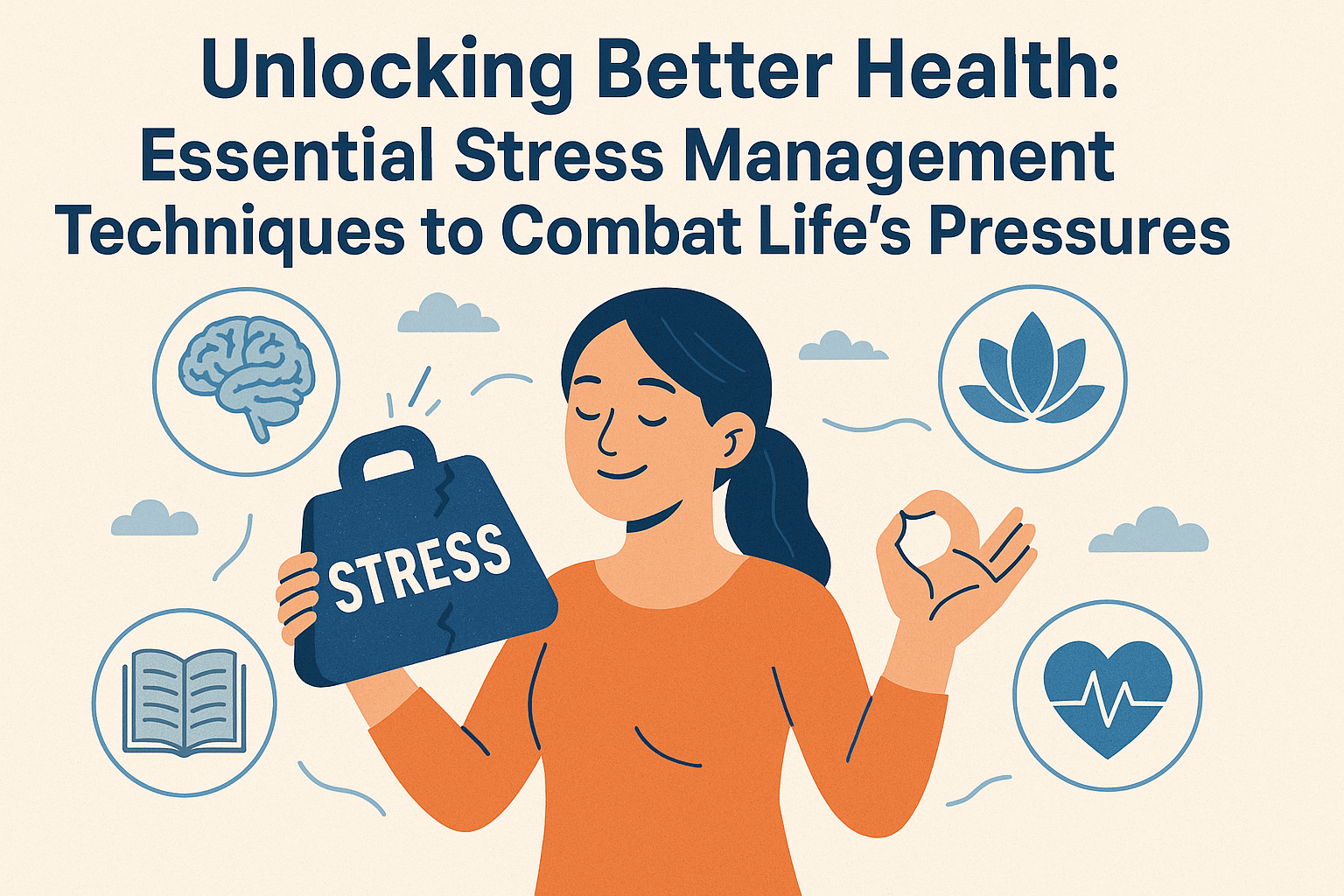
Stress is a prevalent and often unavoidable aspect of modern life. From workplace pressures to personal responsibilities, the demands placed on individuals can lead to a variety of stress symptoms that affect emotional, physical, and behavioral health. Understanding and implementing effective stress management techniques is crucial for maintaining overall well-being. This article explores the multifaceted nature of stress, its symptoms, and practical ways to manage it.
Understanding Stress: Causes and Symptoms
Stress is not merely a mental or emotional state; it manifests physically and behaviorally in individuals. When faced with demanding situations, the body reacts with a series of physiological responses, often referred to as the “fight or flight” response. While stress can be a natural response to challenges, it becomes problematic when it is persistent or overwhelming.
Common stress symptoms include:
- Emotional Symptoms: Anxiety, irritability, depression, and feelings of overwhelm.
- Physical Symptoms: Fatigue, headaches, muscle tension, and gastrointestinal issues.
- Behavioral Symptoms: Changes in sleeping patterns, avoidance of responsibilities, and increased reliance on substances such as alcohol or drugs.
These symptoms can lead to significant health concerns, making it essential to recognize them early and implement effective management techniques.
The Importance of Stress Management Techniques
Given the adverse effects of stress, learning how to manage it effectively is a cornerstone of good mental health. Stress management techniques can help individuals cope better with stressors, leading to improved emotional well-being and overall health. When stress is managed well, individuals report increased productivity, better relationships, and a more balanced lifestyle.
Moreover, stress management techniques can be particularly beneficial in preventing burnout, especially in work environments that demand high levels of engagement and productivity. A proactive approach to stress management can enhance resilience, enabling individuals to navigate life’s challenges with greater ease.
Practical Stress Management Techniques
Several practical techniques can be employed to manage stress effectively. Here are some of the most effective stress management techniques that can be incorporated into daily life:
1. Prioritize Sleep
Good quality sleep is fundamental for mental and physical health. Sleep deprivation can exacerbate stress and lead to a cycle of poor health. Aim for 7-9 hours of restful sleep each night. Establishing a consistent bedtime routine, minimizing screen time before bed, and creating a sleep-conducive environment can significantly improve sleep quality. (See: Coping with Stress from CDC.)
2. Regular Physical Activity
Exercise is one of the most effective ways to reduce stress. Physical activity releases endorphins, chemicals in the brain that act as natural painkillers and mood elevators. Engaging in regular exercise—whether through walking, running, dancing, or yoga—can provide significant relief from stress. Aim for at least 30 minutes of moderate exercise most days of the week.
3. Healthy Eating
A well-balanced diet plays a crucial role in managing stress. Foods rich in vitamins, minerals, and antioxidants can help combat stress. Incorporate plenty of fruits, vegetables, whole grains, and lean proteins into your diet. Additionally, reducing caffeine, sugar, and processed foods can result in better overall mental health. Remember, what you eat affects your mood and energy levels.
4. Mindfulness and Relaxation Techniques
Mindfulness practices, such as meditation and deep breathing exercises, can help reduce stress and improve mental clarity. These techniques encourage individuals to focus on the present moment, which can be particularly beneficial when faced with overwhelming stressors. Spending just a few minutes each day practicing mindfulness can lead to significant improvements in stress levels.
5. Limit Alcohol and Substance Use
While it may be tempting to turn to alcohol or drugs as a means of coping with stress, these substances can result in dependency and exacerbate feelings of anxiety and depression. Limiting or eliminating these substances can lead to healthier coping mechanisms and improved mental clarity.
6. Engage in Restorative Activities
Restorative activities, such as spending time in nature, reading, or pursuing hobbies, can provide a much-needed break from stress. Finding activities that bring joy and relaxation can recharge emotional batteries and foster a sense of well-being. Allocate time in your schedule for activities that promote relaxation and connection to your interests.
Seeking Professional Help
While implementing stress management techniques can provide significant relief, it is crucial to recognize when professional help is necessary. If stress feels frequent, extreme, or unmanageable, or if it is linked to anxiety or depression, seeking guidance from a mental health professional is essential. They can provide personalized strategies and therapies tailored to individual needs.
Therapies such as cognitive behavioral therapy (CBT) have been shown to be effective for many individuals dealing with stress. CBT focuses on changing negative thought patterns and developing healthier ways of coping with stressors.
Building Resilience Through Stress Management
Resilience is the ability to bounce back from challenges and can be cultivated through consistent practice of stress management techniques. By incorporating the strategies discussed in this article, individuals can develop a toolkit for managing stress effectively. Building resilience not only improves one’s ability to handle stress but also enhances overall quality of life.
Additionally, fostering strong social connections and seeking support from friends, family, or support groups can bolster resilience. Engaging in positive social interactions can provide emotional support and reduce feelings of isolation during stressful times.
Advanced Stress Management Techniques
For those seeking deeper or more tailored approaches to managing stress, consider exploring advanced techniques that can complement basic methods. Here are some strategies that can be particularly useful: (See: Stress and Health from WHO.)
1. Biofeedback
Biofeedback is a technique that teaches individuals to control physiological functions such as heart rate, muscle tension, and blood pressure. By using sensors that provide real-time data, individuals can learn to manage their stress responses consciously. Research has shown that biofeedback can lead to significant reductions in stress and anxiety levels, improving overall mental health.
2. Guided Imagery
This technique involves visualizing peaceful and calming scenes to promote relaxation and reduce stress. Studies indicate that guided imagery can significantly decrease stress and anxiety levels, leading to improved mood and emotional well-being. Many apps and online resources offer guided imagery sessions that individuals can use at their convenience.
3. Journaling
Writing can be a powerful tool for processing emotions and reducing stress. Keeping a journal allows individuals to express their thoughts and feelings, helping them to identify stress triggers and reflect on their coping mechanisms. Research shows that expressive writing can lead to improved mental health outcomes, making it a valuable component of a stress management strategy.
Statistics on Stress
Understanding the prevalence and impact of stress can further highlight the importance of effective stress management techniques. Consider the following statistics:
- According to the American Psychological Association, 75% of Americans reported experiencing moderate to high levels of stress in the past month.
- A survey by the American Institute of Stress found that 83% of U.S. workers suffer from work-related stress.
- The National Institute of Mental Health reports that approximately 19% of adults in the U.S. experience an anxiety disorder, which is often exacerbated by chronic stress.
- Research published in the journal Health Psychology indicates that individuals who utilize effective stress management techniques experience a 50% reduction in stress-related health issues.
Expert Perspectives on Stress Management
Insights from mental health professionals can provide valuable guidance on stress management. Many experts agree on the importance of a holistic approach to managing stress. Dr. Lisa Damour, a clinical psychologist and author, emphasizes that “the key to managing stress is recognizing it as a signal for change rather than a source of defeat.”
Additionally, Dr. Jon Kabat-Zinn, a pioneer in mindfulness-based stress reduction, notes, “Mindfulness helps us to step back from our thoughts and feelings, allowing us to observe them without judgment and respond rather than react.” Such perspectives highlight the transformative power of mindfulness and proactive strategies in stress management.
Stress Management FAQs
What are some quick stress relief techniques I can use at work?
Quick stress relief techniques include taking short breaks to walk around, practicing deep breathing exercises, or using stress-relief apps that offer guided meditations or calming sounds. Even a few minutes of stepping away from your desk can help clear your mind.
How long does it take to see improvements from stress management techniques?
The time it takes to see improvements can vary from person to person. Some individuals may notice benefits in a matter of days, while others might require several weeks of consistent practice. The key is to stay committed to the techniques that work best for you.
Can stress management techniques be used during a crisis?
Yes, many stress management techniques can be beneficial during a crisis. Techniques such as mindfulness, deep breathing, and grounding exercises can help individuals remain calm and focused, allowing them to better navigate challenging situations.
Are there specific stress management techniques for students?
Students can benefit from various stress management techniques, including time management skills, regular physical activity, mindfulness practices, and seeking support from peers or counselors. Learning to balance academic responsibilities with self-care is essential for maintaining mental health.
How can workplaces support employees in managing stress?
Workplaces can support employees in managing stress by promoting a positive work environment, offering resources such as Employee Assistance Programs (EAPs), and encouraging regular breaks. Providing training on stress management techniques and creating a culture of open communication can foster resilience among employees.
What role do hobbies play in stress management?
Engaging in hobbies provides an excellent outlet for stress relief, as they often allow individuals to express creativity and escape from daily pressures. Hobbies can contribute significantly to mental health by providing joy, fulfillment, and a sense of accomplishment, making them an essential part of stress management strategies.
Conclusion
Stress is an integral part of life that can lead to serious health concerns if left unmanaged. By acknowledging stress symptoms and understanding the importance of implementing effective stress management techniques, individuals can take proactive steps towards better mental health and well-being. From prioritizing sleep and nutrition to engaging in mindfulness practices and seeking professional help when needed, there are myriad ways to manage stress effectively. Remember, taking care of your mental health is just as important as taking care of your physical health, and the techniques outlined here can serve as a foundation for a healthier, more balanced life.
“`
Trending Now
- The Shocking Truth About Google’s May 2026 Core Update and Its Impact on Your Rankings
- 10 Game-Changing Google Ranking Factors for Law Firms in 2026 You Need to Know
- How the IMF Spring Meetings 2023…
- our breakdown of 10 essential travel tips you need to know for your next adventure
Frequently Asked Questions
What are common symptoms of stress?
Common symptoms of stress include emotional signs like anxiety, irritability, and depression, physical manifestations like fatigue, headaches, and muscle tension, as well as behavioral changes such as altered sleeping patterns and increased substance use. Recognizing these symptoms early is crucial for effective stress management.
Why is stress management important?
Stress management is essential for maintaining good mental health. Effective techniques can help individuals cope with stressors, leading to improved emotional well-being, increased productivity, better relationships, and a balanced lifestyle. It also plays a critical role in preventing burnout, particularly in high-pressure work environments.
What are some effective stress management techniques?
Effective stress management techniques include practicing mindfulness and meditation, engaging in regular physical activity, maintaining a healthy diet, establishing a support network, and utilizing relaxation exercises. These strategies can help individuals manage stress more effectively and enhance overall well-being.
How does stress affect physical health?
Stress can have significant adverse effects on physical health. It may lead to symptoms such as fatigue, headaches, muscle tension, and gastrointestinal issues. Chronic stress can also contribute to serious health conditions, making it important to recognize and manage stress effectively.
What is the fight or flight response?
The fight or flight response is a physiological reaction that occurs in response to perceived threats or challenges. It prepares the body to either confront or flee from danger, resulting in various symptoms like increased heart rate and heightened alertness. While useful in short bursts, chronic activation can lead to stress-related health issues.
What did we miss? Let us know in the comments and join the conversation.