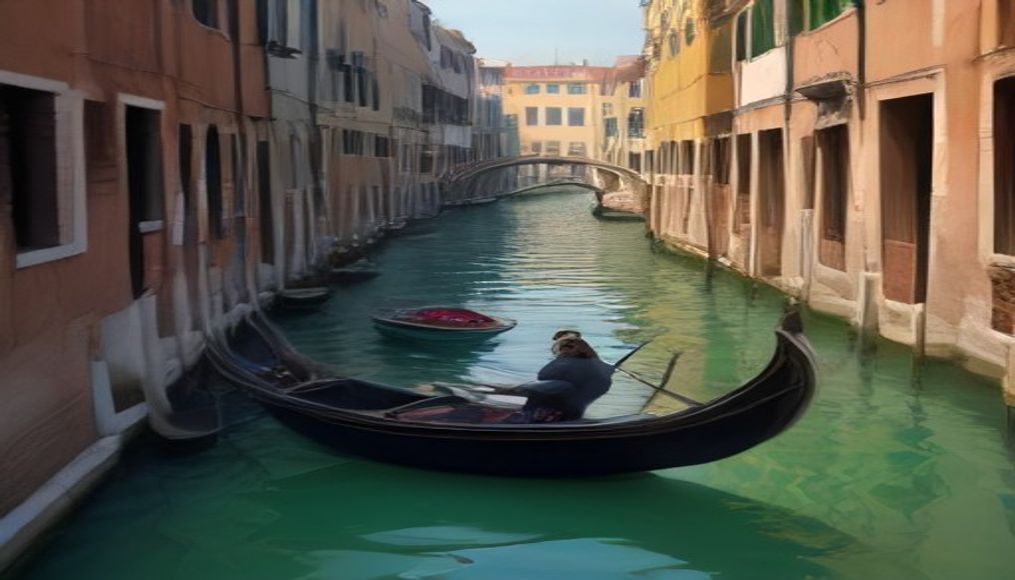

Venice, the ‘Floating City,’ has long grappled with the double-edged sword of its immense popularity. Millions flock to its canals, historic bridges, and labyrinthine alleys each year, drawn by its unparalleled beauty and unique charm. But this adoration comes at a cost, both to the delicate infrastructure of the city and the quality of life for its dwindling resident population. For years, officials have been searching for solutions to manage the overwhelming throngs, particularly day-trippers who often contribute little to the local economy beyond a few euros for a coffee or a souvenir, yet leave a significant footprint.
Now, a dramatic new proposal from Venice’s mayor, Simone Venturini, is making waves across the travel world. He’s pushing for a dynamic pricing system for the city’s already controversial day-tripper access fee. This isn’t just a slight bump; we’re talking about a potential surge that could see visitors paying as much as €50 – that’s roughly $59 – just to set foot in the historic center on its busiest days. If you’ve been planning a spontaneous day trip to Venice, this new Venice tourist fee could fundamentally change your plans. Let’s break down what this truly means for future visitors and the city itself.
1. The Current Venice Tourist Fee: A Brief History
Before diving into the proposed changes, it’s helpful to understand the existing framework. Venice initially introduced a day-tripper entry fee, albeit a modest one, as part of a broader strategy to curb over-tourism. The idea was to create a small barrier, a psychological nudge, to encourage more thoughtful travel and perhaps slightly reduce the sheer volume of visitors who descend upon the city for just a few hours. The fee typically hovered between €5 and €10, depending on the time of year and how far in advance you booked.
This initial Venice tourist fee was already a point of contention. While proponents argued it was a necessary step to preserve the city, critics worried it would turn Venice into an exclusive, paid-access attraction, alienating budget travelers and altering the city’s inherent character. Nevertheless, it represented a tangible effort by the local government to regain some control over the influx of visitors, aiming to balance the economic benefits of tourism with the urgent need for conservation and sustainable living for its residents.
2. Mayor Venturini’s Dynamic Pricing Proposal: The Mechanism Behind the Surge
Mayor Venturini’s new plan isn’t just about raising the fee; it’s about making it dynamic. Think of it like surge pricing for ride-sharing apps, but applied to an entire city. On days when Venice anticipates a massive influx of tourists – say, during major holidays, festivals like Carnival, or peak summer weekends – the Venice tourist fee would automatically increase. The proposal suggests this could go all the way up to €50, a staggering increase from the current maximum of €10.
The core logic here is twofold: first, to create a stronger financial deterrent for visiting on the absolute busiest days, thereby spreading out tourism more evenly throughout the year. Second, to generate significantly more revenue. Venice faces an annual maintenance bill estimated at a colossal €100 million, a cost largely driven by the wear and tear from millions of tourists and the constant battle against subsidence and rising sea levels. This dynamic Venice tourist fee is seen by its proponents as a powerful tool to address both overcrowding and the city’s dire financial needs.
3. The Financial Justification: Why Venice Needs the Money
Let’s be clear: Venice isn’t just trying to line its pockets. The city is literally sinking, battling the effects of climate change, the constant erosion from boat traffic, and the sheer physical strain of millions of footsteps on its ancient stones. Maintaining canals, repairing historic buildings, managing waste, and providing essential services to a shrinking local population while catering to an ever-growing tourist base is an incredibly expensive endeavor.
The estimated €100 million annual maintenance cost is a staggering figure for a city of Venice’s size. A dynamic Venice tourist fee, especially one that could hit €50, has the potential to inject substantial funds into the city’s coffers. These funds are earmarked for vital infrastructure projects, environmental protection, and potentially even subsidies for residents, all aimed at ensuring Venice remains a living city, not just a museum piece, for generations to come. Without significant revenue streams, the city’s future remains precarious. (See: Learn more about Venice's history.) (travel costs in Turkey)
4. The Outcry: Critics Speak Out Against the Venice Tourist Fee
Unsurprisingly, this proposed surge pricing has ignited a fiery debate. Activists, housing advocates, and opposition politicians are vehemently criticizing the plan, arguing it’s a fundamentally flawed approach to managing over-tourism. Their primary concern is that it doesn’t actually solve the problem of overcrowding; rather, it simply makes access more expensive for those who can afford it, effectively turning Venice into an elite playground.
Many worry that such an exorbitant Venice tourist fee will push the city further away from being an accessible, vibrant place and closer to becoming a theme park. They argue that true solutions lie in better crowd management strategies, promoting off-peak travel through incentives, and investing in alternative local economies that aren’t solely reliant on high-volume tourism. The emotional intensity of this debate is palpable, with many feeling that the soul of Venice is at stake.
5. Social Media Eruption: Travelers Share Frustration and Seek Alternatives
You don’t have to look far to see the impact of this proposal. Social media platforms are buzzing with reactions, making the Venice tourist fee a viral topic. Travelers, both past and prospective, are sharing their frustrations, concerns, and even outrage. Many are expressing dismay at the idea of paying such a hefty sum just for entry, especially for a short day trip.
This widespread engagement isn’t just about complaining; it’s also about seeking practical advice. People are actively asking ‘how to avoid Venice entry fee,’ looking for ‘cheapest time to visit Venice,’ and even exploring ‘Venice alternatives’ that offer a similar charm without the prohibitive costs. This user-generated content highlights a very real shift in traveler sentiment, suggesting that while Venice remains a dream destination, its accessibility is becoming a major point of contention.
6. Monetization Opportunities: How the Venice Tourist Fee Impacts Travel Budgets
For those in the travel industry, this controversy around the Venice tourist fee presents significant monetization opportunities, particularly within high-CPC (Cost Per Click) niches. Think about it: a sudden, potentially massive expense like a €50 entry fee instantly changes a traveler’s budget. This drives demand for content around ‘personal finance for budgeting travel expenses,’ ‘travel insurance for unforeseen costs,’ and even ‘legal services’ if the legality of such a dynamic fee is ever challenged.
Content creators and travel companies can target commercial search intent with precision. Articles comparing the cost of a Venice trip with and without the fee, guides on how to minimize expenses once inside the city, or even affiliate links to booking sites that offer package deals (which might somehow mitigate the fee, or at least roll it in) are all highly relevant. This situation also opens the door for promoting alternative destinations that offer similar experiences but at a fraction of the price, catering to those who might now be priced out of Venice.
7. The Impact on Different Traveler Types: Who Wins and Who Loses?
A dynamic Venice tourist fee will inevitably create winners and losers. Affluent travelers, for whom €50 is a minor inconvenience, will likely be less affected. They might even appreciate the potential reduction in crowds, viewing the fee as a premium price for a more exclusive experience. However, for budget travelers, students, families, and those on tighter itineraries, this fee could be a deal-breaker.
Consider a family of four. A €50 per person fee quickly escalates to €200 just for entry, before even a single gelato is bought or a gondola ride taken. This could effectively price out a significant segment of the market, potentially shifting Venice’s tourist demographic towards a wealthier clientele. The question then becomes: is this the kind of tourism Venice truly wants to foster, or does it risk losing its diverse appeal and becoming solely a luxury destination?
8. Is This a Slippery Slope? The Precedent for Other Cities
One of the broader concerns surrounding this aggressive new Venice tourist fee is the precedent it might set. If Venice successfully implements and sustains a dynamic, high-cost entry fee, could other over-touristed cities follow suit? Destinations like Barcelona, Amsterdam, or Kyoto, which also struggle with the pressures of mass tourism, might see this as a viable blueprint. (See: BBC article on Venice tourism challenges.)
This raises questions about the future of urban travel. Will city access become a pay-per-entry model, where the most beautiful or popular destinations require a significant upfront investment just to cross their borders? It’s a troubling thought for many who cherish the idea of free and spontaneous exploration, suggesting a potential paradigm shift in how we experience the world’s most iconic cities.
9. The Future of Venice: A Paid Attraction or a Living City?
Ultimately, the debate around the Venice tourist fee boils down to a fundamental question: what future does Venice envision for itself? Is it to be a meticulously preserved, high-end paid attraction, where access is regulated by price? Or can it find a way to remain a vibrant, living city that welcomes a diverse range of visitors while still protecting its delicate ecosystem and the quality of life for its residents?
The proposed dynamic pricing system is a bold, some might say desperate, attempt to find a sustainable balance. Whether it succeeds in its goals of deterring overcrowding and generating sufficient funds, or if it simply alienates a large segment of potential visitors and transforms the city into something less authentic, remains to be seen. One thing is certain: the conversation around how we manage the world’s most cherished destinations is far from over, and Venice is once again at the heart of it.
10. Expert Perspectives: What Economists and Urban Planners Say
Economists looking at the Venice tourist fee often point to the concept of “externalities.” When tourists visit, they create costs (wear and tear, waste, congestion) that aren’t fully reflected in the price they pay for their trip. A fee, especially a dynamic one, tries to internalize these externalities, making visitors bear more of the true cost of their visit. Urban planners, however, often raise concerns about the behavioral impact. Will the fee truly spread out tourism, or will it just concentrate the wealthiest visitors on the busiest days, creating a different kind of density problem?
Some experts suggest that while revenue generation is crucial, a fee alone isn’t a comprehensive solution. They advocate for a multi-pronged approach that includes better public transport planning, encouraging overnight stays rather than day trips (as hotel guests are typically exempt from the fee and contribute more to the local economy), and developing tourism in lesser-known parts of the Veneto region to diffuse visitor pressure. The goal, they argue, should be to encourage ‘quality’ tourism over ‘quantity’ tourism, where quality is defined by a deeper engagement with the city and a greater contribution to its sustainable future.
11. Comparisons with Other Tourist Management Strategies
Venice isn’t alone in its struggle, and it’s worth looking at how other popular destinations are tackling over-tourism. For example, while not a direct entry fee, Bhutan famously employs a “high-value, low-impact” tourism policy with a daily Sustainable Development Fee (SDF) of $100-$200 per person. This fee covers accommodation, food, and a guide, effectively making it a premium destination. On the other hand, destinations like Amsterdam have focused on outright bans on new tourist shops in certain areas and restrictions on short-term rentals to prioritize residents.
The Galapagos Islands implement a National Park entrance fee that’s significant (around $100 for international visitors), but it’s clearly tied to conservation efforts for a fragile ecosystem. What makes Venice’s situation unique is applying such a high, dynamic fee to an entire historic urban center, not just a specific natural park or a packaged tour. This distinction is what makes the Venice tourist fee such a potent symbol and potential game-changer in urban tourism management.
12. Frequently Asked Questions about the Venice Tourist Fee
Q: When will the dynamic Venice tourist fee start?
A: The proposal is still under discussion, but officials have indicated a trial period could begin as early as Spring 2024, with full implementation following. It’s best to check official Venice municipality websites closer to your travel date. (See: New York Times on Venice's tourist fee.)
Q: Who will be exempt from the Venice tourist fee?
A: Typically, those staying overnight in hotels or rented accommodations within the historic center, residents of Venice and the Veneto region, children under a certain age (often 6), and people visiting for specific reasons (like work or education) are exempt. Always verify the latest exemption criteria before your trip.
Q: How do I pay the Venice tourist fee?
A: The plan is to have an online booking and payment system, likely through a dedicated website or app. You would book your entry for a specific day and receive a QR code as proof of payment, which could be checked at various entry points.
Q: What happens if I don’t pay the fee?
A: Failure to pay the fee could result in fines, though the exact penalty structure is still being finalized. The city aims for a system with clear enforcement to ensure compliance.
Q: Will cruise ship passengers have to pay the fee?
A: Yes, day-tripping cruise ship passengers are among the primary targets for this fee, as they contribute significantly to overcrowding without typically staying overnight in the city’s accommodations.
Q: Are there any alternatives to visiting Venice if the fee is too high?
A: Absolutely! Consider exploring other charming cities in the Veneto region like Verona, Padua, or Treviso, which offer rich history and beautiful architecture without an entry fee. For canal cities, you might look at Bruges in Belgium or Amsterdam (though Amsterdam has its own tourism challenges and taxes).
Trending Now
Frequently Asked Questions
What is the new tourist fee for Venice?
The proposed tourist fee for Venice could rise to €50, approximately $59, especially during peak tourist days. This dynamic pricing strategy aims to manage the influx of visitors and preserve the city's infrastructure.
Why is Venice implementing a tourist fee?
Venice is introducing a tourist fee to combat over-tourism, which has strained the city's resources and affected the quality of life for residents. The fee serves as a deterrent for day-trippers who contribute minimally to the local economy.
How has the Venice tourist fee changed over time?
Initially, Venice's tourist fee ranged from €5 to €10, depending on the season and booking time. The recent proposal suggests a significant increase to €50, reflecting the city's ongoing challenges with managing visitor numbers.
Will the new fee affect spontaneous trips to Venice?
Yes, the increase in the tourist fee could deter spontaneous trips to Venice. With costs potentially reaching $59, travelers may need to reconsider their plans and budget for a visit to the historic city.
What impact does tourism have on Venice?
Tourism in Venice, while economically beneficial, has led to overcrowding and environmental strain. The city struggles with balancing its appeal to millions of visitors while maintaining the quality of life for its residents and preserving its delicate infrastructure.
What's your take on this? Share your thoughts in the comments below — we read every one.