
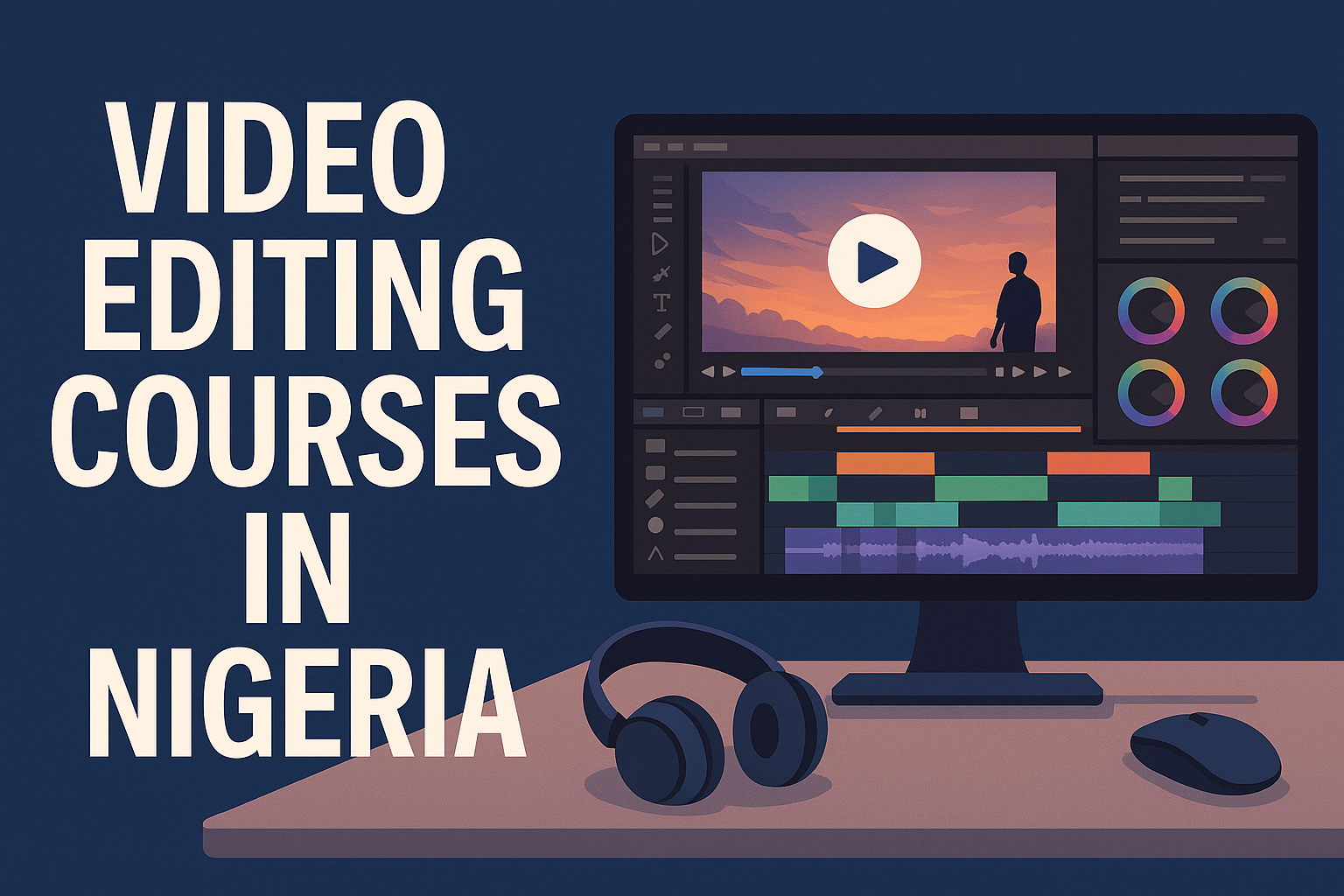

Video editing has emerged as a vital skill in today’s digital age, especially in Nigeria where the film industry, commonly known as Nollywood, is one of the largest in the world. The demand for skilled video editors is on the rise as content creation becomes increasingly popular. If you’re interested in pursuing a career in video editing or simply want to enhance your skills, there are plenty of video editing courses in Nigeria that cater to various levels of expertise. This article will explore the landscape of video editing education in Nigeria, highlighting key courses, institutions, platforms, and practical insights.
Understanding the Importance of Video Editing Skills
In an age where visual content dominates social media, businesses, and entertainment, video editing skills are not just for filmmakers and content creators. They can enhance your employability across various sectors, including marketing, education, and corporate communications. With more organizations opting to showcase their products and services through engaging video content, the importance of quality video production cannot be overstated.
Furthermore, as the Nigerian film industry continues to expand, the demand for professional video editors is expected to grow. In addition to Nollywood, the rise of content creators on platforms like YouTube and Instagram means that there’s a larger audience for edited video content than ever before. This evolving landscape makes the pursuit of video editing courses in Nigeria an attractive option for many.
Types of Video Editing Courses Available
Nigeria offers a wide range of video editing courses that cater to different needs and skill levels. Here are some prevalent types:
- Short Courses: These are often intensive programs that last from a few days to a few weeks. They focus on practical skills and essential software tools.
- Certification Programs: Typically lasting several months, these courses offer a more comprehensive curriculum, including theory and practical applications, often culminating in a certification that enhances employability.
- Degree Programs: Some universities in Nigeria offer degree courses in mass communication, media studies, or film production that include video editing as part of the curriculum.
- Online Courses: With the rise of e-learning, there are numerous online platforms offering video editing courses accessible from anywhere. This is particularly beneficial for those who prefer a flexible learning schedule.
Top Institutions Offering Video Editing Courses in Nigeria
Several institutions in Nigeria have garnered a reputation for providing quality education in video editing. Below are a few notable ones:
1. The Nigerian Film Institute (NFI)
Located in Jos, the NFI is a prominent institution for aspiring filmmakers and video editors. Their programs cover various aspects of film production, including video editing. Participants gain access to state-of-the-art facilities and industry-standard software.
2. The Film and Media Academy, Lagos
This academy provides various courses tailored for both beginners and advanced learners. Their video editing courses include hands-on training with tools like Adobe Premiere Pro and Final Cut Pro, ensuring that students are industry-ready.
3. African Film Institute
Another key player in video editing education, the African Film Institute offers a robust curriculum that emphasizes both practical skills and theoretical knowledge. They also host workshops and seminars with industry professionals. (See: Understanding video editing techniques.) This builds on video editing options.
4. National Open University of Nigeria (NOUN)
NOUN offers a bachelor’s degree in mass communication, which includes modules on video editing. This program is ideal for those seeking formal education while balancing other commitments.
Popular Online Video Editing Courses
Online learning has become a favored mode of education, particularly in the wake of recent global events. Here are some popular platforms offering video editing courses in Nigeria that you can explore:
1. Coursera
Coursera partners with universities and organizations worldwide to provide a variety of video editing courses. Many of these courses are free to audit, and you can earn a certificate for a fee. Topics range from basic editing skills to advanced techniques.
2. Udemy
Udemy features a vast selection of video editing courses that cover different software and skill levels. You can learn at your own pace and often find courses on sale, making it an affordable option.
3. Skillshare
Skillshare offers a community-driven approach to learning, with many courses focusing on specific editing techniques and projects. It’s a great platform for those who prefer a more collaborative learning environment.
Key Software to Master in Video Editing
As you pursue video editing, familiarity with industry-standard software will significantly enhance your skillset. Here are some key programs to consider:
- Adobe Premiere Pro: A leading video editing software widely used in the industry, perfect for both professionals and beginners.
- Final Cut Pro: A favorite among Mac users, this software is user-friendly and powerful, suited for high-quality video projects.
- DaVinci Resolve: Known for its advanced color correction and audio post-production features, it’s a comprehensive tool for serious video editors.
- Sony Vegas Pro: An accessible option for beginners, offering a range of features ideal for editing YouTube videos and other content.
Practical Insights and Tips for Aspiring Video Editors
Whether you’re enrolling in video editing courses in Nigeria or learning online, there are several practical tips to keep in mind:
- Practice Regularly: The best way to improve your editing skills is through constant practice. Try to edit different types of videos and experiment with various styles.
- Build a Portfolio: As you develop your skills, create a portfolio showcasing your best work. This will be invaluable when seeking employment or freelance opportunities.
- Network with Professionals: Join online communities or local groups related to video production. Networking can open doors to internships or job opportunities.
- Stay Updated with Trends: The video editing world is always evolving. Keep up with the latest trends and software updates to remain competitive.
The Evolving Landscape of Nigerian Content Creation
Beyond Nollywood, Nigeria’s digital content creation scene is booming. Think about the countless YouTubers, Instagram comedians, TikTokkers, and independent filmmakers. Each one needs compelling visuals to capture and retain an audience. This isn’t just about entertainment; businesses are increasingly using video for marketing, training, and internal communications. From small startups in Lagos to established corporations in Abuja, the demand for engaging video content is a constant. This growth directly translates into a higher need for skilled video editors who can craft narratives, enhance visuals, and produce polished final products. Taking a video editing course in Nigeria isn’t just about learning software; it’s about positioning yourself at the forefront of this exciting digital revolution. (See: Importance of visual content in communication.)
Specialized Video Editing Niches to Explore
While general video editing skills are valuable, specializing in a niche can make you even more marketable. As you take video editing courses in Nigeria, consider exploring these areas: For more on this, see educational content creation tools.
- Corporate Video Editing: Focuses on creating promotional videos, training modules, event coverage, and internal communications for businesses. This often involves a more formal style and attention to brand guidelines.
- Documentary Editing: Requires a keen eye for storytelling and the ability to weave together interviews, archival footage, and B-roll to create a compelling non-fiction narrative.
- Music Video Editing: This niche often involves dynamic cuts, visual effects, and a strong sense of rhythm to match the music. Creativity and a good understanding of visual storytelling are key here.
- Wedding and Event Videography/Editing: Capturing and editing special moments requires sensitivity, quick turnaround times, and the ability to create emotionally resonant videos for clients.
- Social Media Content Editing: This fast-paced environment demands quick edits, engaging visuals, and an understanding of platform-specific requirements (e.g., vertical video for TikTok, short-form for Instagram Reels).
- VFX Editing (Visual Effects): For those with a strong technical inclination, working with visual effects can open doors to larger film productions, commercials, and even gaming cinematics.
Exploring these specializations during or after your video editing courses in Nigeria can help you carve out a unique professional path and attract specific types of clients.
Understanding Industry Standards and Best Practices
It’s not enough to just know how to use the software; understanding industry standards ensures your work is professional and compatible. This includes:
- Frame Rates and Resolutions: Knowing when to use 24fps for cinematic feel, 30fps for broadcast, or higher frame rates for slow-motion effects. Understanding 1080p vs. 4K resolutions and their implications for file size and delivery.
- Color Grading and Correction: Essential for achieving a consistent look and feel across all your footage, setting the mood, and correcting any inconsistencies in lighting.
- Audio Mixing and Sweetening: Good audio is often overlooked but crucial. Learning to balance dialogue, music, and sound effects, and to remove background noise, elevates your video significantly.
- Export Settings: Optimizing your export settings for different platforms (YouTube, Instagram, broadcast) to ensure the best quality without excessively large file sizes.
- Workflow Management: Efficiently organizing your project files, backing up your work, and using proxies for smoother editing are vital professional habits.
Many video editing courses in Nigeria will cover these aspects, but supplementing your learning with online tutorials and practical projects is always a good idea.
The Impact of AI on Video Editing
Artificial intelligence is starting to play a significant role in video editing, and it’s something aspiring editors should be aware of. AI tools can automate repetitive tasks like transcription, scene detection, and even basic color correction. Some software now offers AI-powered features for object tracking, smart reframing, and even generating rough cuts. While AI won’t replace creative editors, understanding how to leverage these tools can significantly speed up your workflow and allow you to focus more on the creative aspects of storytelling. As you engage with video editing courses in Nigeria, keep an eye out for discussions or modules on AI integration in editing.
Career Opportunities in Video Editing
The skills gained through video editing courses can lead to various career paths. Here are some roles you might consider:
- Video Editor: Work on films, TV shows, or online content, focusing on assembling footage and creating a cohesive narrative.
- Post-Production Supervisor: Oversee the post-production process, ensuring that timelines and budgets are met while maintaining quality.
- Content Creator: Many individuals and businesses hire video editors to create engaging content for social media and websites.
- Animation Editor: Focus on editing animated films or videos, which requires a distinct set of skills compared to live-action editing.
- Broadcast Editor: Work for television stations, editing news packages, documentaries, and promotional content, often under tight deadlines.
- Freelance Video Editor: Offer your services to multiple clients, managing your own projects and schedule, which offers flexibility but requires strong business acumen.
Frequently Asked Questions About Video Editing Courses in Nigeria
Q1: How long do video editing courses in Nigeria typically last?
The duration varies greatly depending on the type of course. Short courses can range from a few days to a few weeks, certification programs usually last several months (3-6 months), and degree programs in related fields can be 3-4 years. Online courses offer the most flexibility in terms of pace.
Q2: What are the prerequisites for enrolling in a video editing course?
For most short courses and certification programs, a basic understanding of computers is usually sufficient. Some advanced courses might require prior editing experience or familiarity with specific software. Degree programs will have standard university entry requirements (e.g., WAEC/NECO results). (See: Careers in video editing industry.)
Q3: Do I need to buy expensive software to learn video editing?
Not necessarily. Many courses will provide access to software during your training, or you can utilize free trials. Some powerful software like DaVinci Resolve offers a robust free version that’s more than capable for learning and even professional work. When you’re ready to invest, student discounts are often available for paid software like Adobe Premiere Pro.
Q4: Can I learn video editing online effectively, or is in-person better?
Both methods can be highly effective. Online courses offer flexibility and often a wider range of instructors and specialized topics. In-person courses provide direct interaction with instructors, hands-on access to equipment, and networking opportunities. The best choice depends on your learning style, schedule, and budget.
Q5: What kind of computer specifications do I need for video editing?
Video editing is resource-intensive. You’ll generally need a computer with a fast processor (Intel i5/i7/Ryzen 5/7 or better), at least 16GB of RAM (32GB is ideal), a dedicated graphics card (NVIDIA or AMD), and ample fast storage (SSD preferred for your operating system and project files). A larger monitor can also significantly improve your workflow.
Q6: How much can a video editor earn in Nigeria?
Earning potential varies widely based on experience, skill level, specialization, and whether you work freelance or for an organization. Entry-level positions might start from ₦80,000 – ₦150,000 per month. Experienced editors, especially those in high demand for Nollywood productions or corporate clients, can earn significantly more, potentially ₦300,000+ per project or per month. Freelancers’ income depends entirely on their client base and rates.
Conclusion: Embrace the Journey of Learning Video Editing
As the demand for high-quality video content continues to grow, acquiring skills through video editing courses in Nigeria has never been more relevant. Whether you’re looking to break into the film industry, enhance your content creation skills, or simply explore your creativity, there’s a course out there for you. Embrace the journey, invest in your education, and who knows? You might just become the next sought-after video editor in Nigeria.
Trending Now
Frequently Asked Questions
What are the best video editing courses in Nigeria?
Nigeria offers a variety of video editing courses across different institutions and online platforms. Popular options include short courses, certification programs, and specialized workshops that focus on practical skills and software tools. Researching local institutions and online platforms can help you find the best fit for your skill level and career goals.
How much do video editing courses cost in Nigeria?
The cost of video editing courses in Nigeria varies widely depending on the institution and course duration. Short courses may range from a few thousand to tens of thousands of Naira, while certification programs can be more expensive. It's advisable to compare different courses to find one that fits your budget.
Is video editing a good career choice in Nigeria?
Yes, video editing is a promising career choice in Nigeria, especially with the growth of the film industry and content creation on platforms like YouTube and Instagram. The demand for skilled video editors is increasing, making it an attractive option for those looking to enter a creative and evolving field.
What skills do I need for video editing?
Essential skills for video editing include proficiency in editing software such as Adobe Premiere Pro or Final Cut Pro, a good eye for detail, creativity, and the ability to tell a story through visuals. Additionally, understanding color grading, sound editing, and workflow management can enhance your editing capabilities.
Can I learn video editing online in Nigeria?
Yes, many online platforms offer video editing courses that cater to Nigerian learners. Websites like Udemy, Coursera, and local platforms provide flexible learning options that allow you to enhance your skills at your own pace, making online learning a convenient choice for aspiring video editors.
Have you experienced this yourself? We'd love to hear your story in the comments.



