In recent years, the landscape of higher education has undergone significant scrutiny and change. Many institutions have faced challenges ranging from declining enrollment numbers to escalating tuition costs, prompting a reassessment of their value propositions. Within this context, a recent report from Kearney— a global management consulting firm—has sparked an important conversation about the necessity for a “reckoning” in higher education. Their insights present a compelling case for why this reckoning is beneficial, not just for institutions but for students, employers, and society at large.
Understanding the Reckoning
The concept of a reckoning in higher education refers to an awakening to the reality of what students can expect in terms of ROI (return on investment) from their education. This follows a period during which institutions operated under a model that was often unchallenged despite mounting evidence that many graduates were entering the workforce underprepared, or worse, unemployed or in roles that did not require a degree.
Kearney’s report highlights several critical issues driving this reckoning. Chief among them is the disconnect between what higher education provides and what the job market demands. Many graduates find themselves grappling with an education that doesn’t align with the skills employers are seeking. This misalignment has prompted both students and families to question the value of the traditional college experience and to seek alternatives that offer more direct pathways to career success.
A Call for Innovation
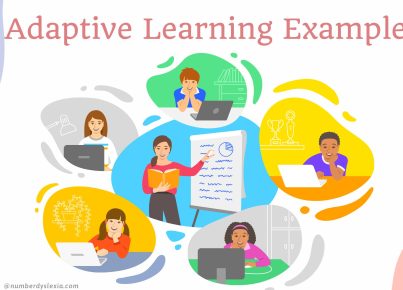
One of the most encouraging aspects of Kearney’s findings is that this reckoning serves as a catalyst for innovation within higher education. With the pressure mounting, institutions are beginning to experiment with new models of learning, including competency-based education, micro-credentialing, and hybrid learning formats. These approaches not only allow for more tailored learning experiences but also emphasize skills and competencies over mere course completion.
Moreover, Kearney advocates for stronger partnerships between educational institutions and industry. By engaging employers in curriculum design and experiential learning opportunities, colleges and universities can better prepare students for the realities of the modern workforce. This dynamic collaboration has the potential to create a more agile education system responsive to the evolving needs of the job market.
Enhancing Accessibility and Affordability
The reckoning encapsulated in Kearney’s report also shines a light on the ever-pressing issues of accessibility and affordability in higher education. As more students and families recognize the financial burden of student debt, educational institutions are increasingly compelled to demonstrate clear value. This has spurred a range of initiatives aimed at reducing costs and increasing accessibility, from expanded scholarship programs to open educational resources.
By addressing these critical issues, institutions can foster a more equitable educational landscape. Students from diverse backgrounds will have the opportunity to attain a quality education that prepares them for success, thereby promoting social mobility and contributing to a more informed and capable workforce.
The Role of Lifelong Learning
Kearney’s reckoning also aligns with the growing recognition of lifelong learning as a critical component of career development. In an era where technology and market demands are constantly evolving, the traditional notion of education as a one-time experience is becoming obsolete. Instead, learners are expected to continuously upskill and reskill throughout their lives.
Colleges and universities that embrace this mindset will not only retain relevance but also enhance their role as community anchor institutions. By offering ongoing education tailored to adult learners and those seeking career advancement, they can serve as vital resources in a rapidly changing job market.
Conclusion
Kearney’s perspective on the reckoning in higher education presents an optimistic view of the sector’s future. While challenges abound, they also represent opportunities for transformation that can ultimately benefit students and society. By prioritizing alignment with job market demands, promoting accessibility, fostering innovation, and embracing lifelong learning, institutions can emerge from this reckoning stronger and more relevant.
In a world where education must continuously adapt to new realities, the strides taken in response to this reckoning could very well shape the future of work, equity, and social progress. As stakeholders across the educational landscape engage with these ideas, they should welcome this reckoning as a positive force, driving meaningful change that benefits all.