

“`html
In today’s educational landscape, it’s vital to create environments that foster not only academic learning but also social and emotional growth. Positive behavior support (PBS) is one of the most effective frameworks being implemented in schools across the globe to achieve this goal. By emphasizing positive reinforcement and proactive strategies, PBS aims to create a supportive school climate where all students can thrive. Let’s explore the essence of positive behavior support, its foundational principles, practical applications, and its growing relevance in contemporary education.
Understanding Positive Behavior Support
Positive behavior support is a comprehensive, school-wide framework designed to promote positive behavior in students while minimizing disruptive conduct. Originating from applied behavior analysis, PBS integrates behavioral science into educational practices to enhance student engagement and support individual needs. Rather than solely focusing on punitive measures for negative behavior, PBS emphasizes teaching appropriate behaviors and providing necessary supports.
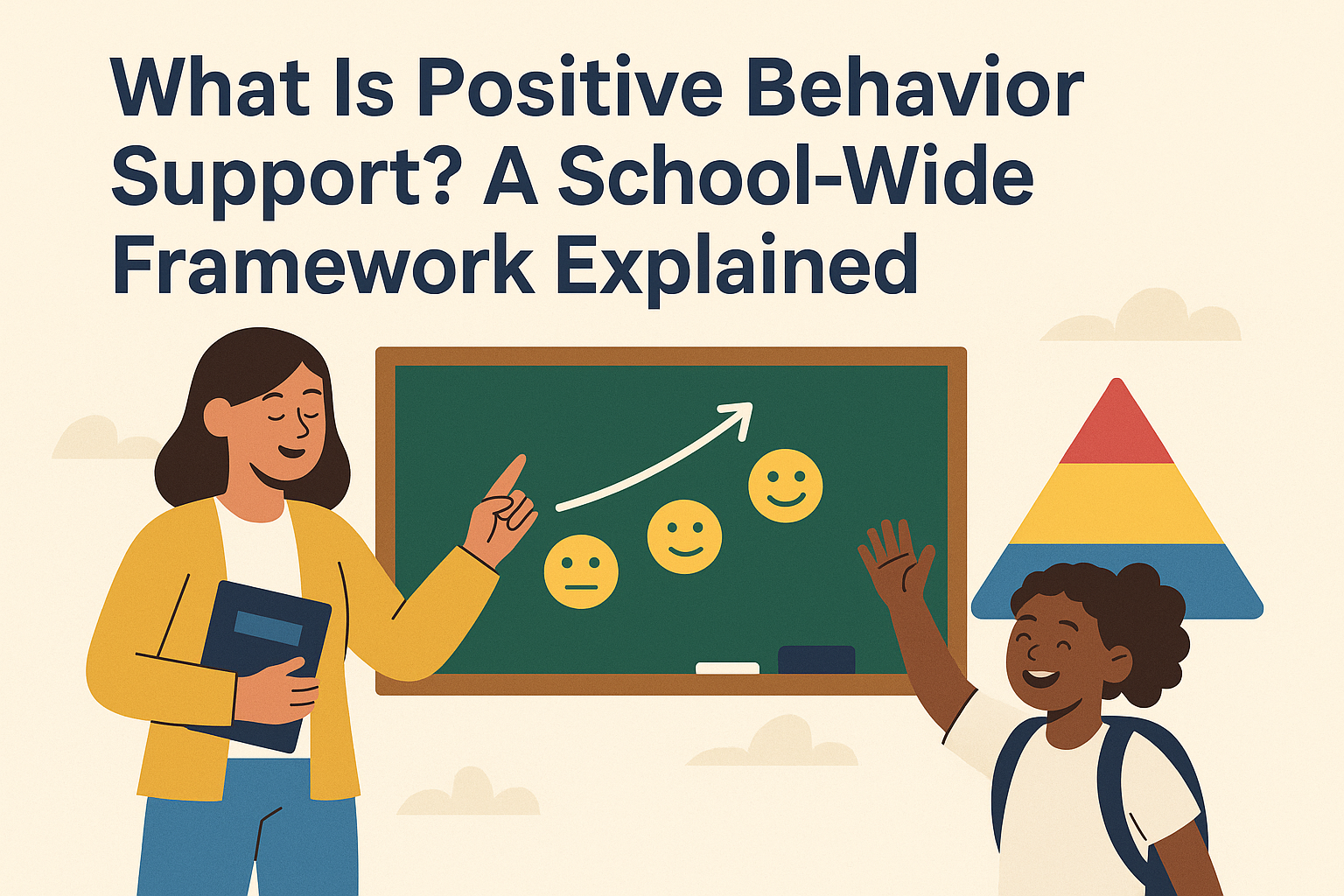
The framework is built on three tiers of support:
- Tier 1: Universal Supports – This level includes school-wide strategies that promote positive behavior for all students. It involves creating clear expectations, teaching appropriate behaviors, and recognizing positive actions.
- Tier 2: Targeted Supports – For students who need additional help, targeted interventions are provided. These could include small group sessions or specific behavioral interventions tailored to individual students.
- Tier 3: Intensive Supports – This tier is reserved for students with significant behavioral challenges. It involves individualized support plans and close collaboration with families and specialists.
Overall, PBS is about creating a supportive environment that addresses behavior through empowerment and skill-building, not punishment. It’s a transformative approach that can significantly alter the school climate.
The Importance of Positive Behavior Support
Why is positive behavior support gaining traction in schools? The contemporary educational environment has become increasingly complex, with various challenges affecting student behavior. Factors such as mental health issues, social media influence, and diverse classroom dynamics can lead to behavioral problems. Traditional disciplinary methods often fail to resolve the root causes of these issues and may even exacerbate them.
Positive behavior support provides a solution by emphasizing proactive strategies. Instead of reacting to negative behaviors after they occur, PBS encourages schools to anticipate and address potential issues before they escalate. This shift in focus is crucial for several reasons:
- Fostering a Positive School Climate: When students receive consistent positive reinforcement, they feel valued and respected, which in turn encourages them to behave appropriately.
- Reducing Disciplinary Actions: Schools that implement PBS often see a significant decrease in suspensions and expulsions. By focusing on positive behaviors, students are less likely to be removed from the learning environment.
- Supporting Diverse Needs: PBS is adaptable, allowing educators to tailor interventions to meet the unique needs of their students, including those with disabilities or behavioral disorders.
This holistic approach not only benefits individual students but also enhances the overall educational experience for teachers and families. (See: Positive Behavioral Interventions and Supports.)
Core Principles of Positive Behavior Support
The effectiveness of positive behavior support hinges on several core principles:
- Prevention: PBS is primarily prevention-focused. By identifying potential behavioral issues and implementing strategies to mitigate them, schools can create a more harmonious environment.
- Data-Driven Decision Making: Successful PBS relies on collecting and analyzing data related to student behavior. Schools track incidents, successes, and interventions to refine their approaches continually.
- Collaboration: PBS encourages collaboration among staff, families, and the community. By working together, stakeholders can create a consistent message around behavior expectations.
- Tailored Interventions: Recognizing that one size does not fit all, PBS promotes the use of individualized supports to cater to the diverse needs of students. This includes adapting interventions based on specific contexts and responses.
- Continuous Monitoring and Improvement: The process doesn’t end once a PBS framework is in place. Schools must continually evaluate their strategies, making adjustments as necessary to maximize effectiveness.
These principles collectively contribute to the successful implementation of positive behavior support, making it a sustainable approach in educational settings.
Implementing Positive Behavior Support in Schools
Transitioning to a positive behavior support framework requires careful planning and execution. Here’s a step-by-step guide to implementing PBS in a school setting:
- Establish a PBS Team: Form a group of educators, administrators, and support staff who are committed to developing and sustaining the PBS framework. This team will lead the initiative and ensure that everyone is on the same page.
- Conduct a Needs Assessment: Before implementing PBS, schools should evaluate their current behavioral strategies and identify areas for improvement. Collecting data on behavioral incidents can provide insight into the specific needs of the student population.
- Define Clear Expectations: Set clear behavioral expectations that all students can understand. These should be positively stated and relevant to the school community.
- Teach Appropriate Behaviors: Develop lessons focused on teaching the defined expectations. Role-playing and modeling can be effective methods for instilling these behaviors in students.
- Implement Recognition Systems: Establish a system to recognize and reward students who demonstrate positive behaviors. This could include praise, tangible rewards, or a point system.
- Monitor and Adjust: Continuously gather data on the effectiveness of implemented strategies. This will help identify what works, what doesn’t, and where adjustments may be necessary.
By following these steps, schools can create a robust positive behavior support system that promotes a positive learning environment for everyone.
Challenges and Considerations
While positive behavior support offers numerous benefits, implementing it is not without challenges. Here are some considerations schools should keep in mind: Related reading: celebrating student success.
- Staff Buy-In: For PBS to succeed, it’s crucial to have buy-in from all staff members. Resistance to change can undermine the entire initiative, so thorough training and ongoing support are essential.
- Resource Allocation: Implementing a comprehensive PBS framework may require additional resources, including training, materials, and possibly staffing. Schools need to budget accordingly to ensure they can sustain the program.
- Consistent Application: All staff must consistently apply the PBS principles. Inconsistencies can confuse students and lead to a breakdown of trust in the system.
- Parent and Community Involvement: Engaging parents and the community is crucial. Schools should strive to create partnerships with families to reinforce positive behavior expectations at home.
Addressing these challenges proactively can help to ensure the success of positive behavior support in schools.
Current Relevance and Future Directions
As education continues to evolve, the importance of positive behavior support remains clear. The COVID-19 pandemic brought forth new challenges, including increased anxiety and behavioral issues among students. Schools are now recognizing the need for a supportive environment more than ever.
Looking ahead, the future of positive behavior support appears promising. With advancements in technology, schools can leverage data analytics to assess behavioral trends better and tailor interventions more effectively. Additionally, the growing emphasis on social-emotional learning complements the goals of PBS, aligning efforts to promote not just academic success but holistic development. (See: World Health Organization on Mental Health.)
In conclusion, positive behavior support stands as a beacon of hope in the quest to create nurturing educational environments. By shifting the focus from punitive measures to positive reinforcement, schools can cultivate spaces where all students feel valued and empowered to succeed. As this approach continues to gain traction, it has the potential to transform the educational landscape, ensuring that every child flourishes both academically and socially.
Success Stories of Positive Behavior Support
Many schools have successfully integrated positive behavior support into their systems, leading to improved student behavior and academic performance. For instance, a study conducted by the University of Oregon showcased a school that implemented PBS and experienced a 40% decrease in behavioral referrals within the first year. This significant reduction not only improved the overall school climate but also allowed teachers to focus more on instruction rather than discipline.
Another success story comes from a middle school in Texas, where PBS practices were put in place to tackle chronic absenteeism. By creating a positive reinforcement program that rewarded attendance, the school saw a 30% increase in student attendance rates over two years. This allowed for more consistent learning experiences and fostered a culture of accountability among students.
Statistics on the Impact of Positive Behavior Support
Research has consistently highlighted the positive outcomes associated with the implementation of PBS. For example, schools that adopt PBS frameworks report:
- A 50% reduction in office discipline referrals.
- A significant decline in bullying incidents, with studies showing a 28% decrease in reported cases.
- Improved academic outcomes, with students in PBS schools scoring higher on standardized tests compared to those in non-PBS schools.
- Increased student engagement and satisfaction, leading to a more positive school atmosphere.
These statistics illustrate the profound impact that positive behavior support can have, not only on individual student outcomes but also on the overall educational environment.
Expert Perspectives on Positive Behavior Support
Experts in the field of education and psychology emphasize that positive behavior support is essential for fostering a nurturing learning environment. Dr. George Sugai, a leading researcher in PBS, states, “The key to successful behavior support lies in creating a common understanding among staff, students, and families. When everyone is on the same page, the framework becomes a powerful tool for change.”
This sentiment is echoed by educators who have witnessed firsthand the transformative nature of PBS. Teachers often note that when students feel valued and understood, they are more likely to engage actively in their learning. The emphasis on positive reinforcement also helps to build a stronger rapport between students and teachers, enhancing the educational experience as a whole.
Frequently Asked Questions about Positive Behavior Support
What are the key components of Positive Behavior Support?
The key components of PBS include universal supports for all students, targeted interventions for those needing additional help, and intensive supports for students with significant behavioral challenges. Data-driven decision-making is also critical in implementing PBS effectively.
How can parents support Positive Behavior Support at home?
Parents can support PBS by reinforcing the same behavioral expectations at home that are taught at school. Open communication with teachers and involvement in school activities also help to create a consistent message about positive behaviors.
Is Positive Behavior Support only for students with behavioral issues?
No, PBS is designed for all students, not just those with behavioral issues. Its proactive approach aims to foster a positive environment that benefits everyone in the school community.
How long does it take to see results from Positive Behavior Support?
The time frame for seeing results can vary. Some schools report improvements in student behavior within the first year of implementation; however, it may take longer to see lasting cultural changes within the school.
Can Positive Behavior Support be applied in settings outside of schools?
Absolutely! PBS principles can be applied in various settings, including homes, community organizations, and workplaces, to promote positive interactions and reduce conflict.
“` This builds on mental health support in libraries.
Trending Now
Frequently Asked Questions
What is the purpose of positive behavior support?
The purpose of positive behavior support (PBS) is to create a supportive school environment that promotes positive behavior among students. It focuses on proactive strategies and positive reinforcement, aiming to minimize disruptive conduct while facilitating social and emotional growth.
How does positive behavior support work in schools?
Positive behavior support works through a tiered framework that includes universal supports for all students, targeted interventions for those needing additional help, and intensive supports for students with significant challenges. This approach emphasizes teaching appropriate behaviors rather than punishment.
What are the three tiers of positive behavior support?
The three tiers of positive behavior support include Tier 1: Universal Supports, which promote positive behavior for all; Tier 2: Targeted Supports, providing interventions for students needing extra help; and Tier 3: Intensive Supports, offering individualized plans for students with significant behavioral challenges.
Why is positive behavior support important in education?
Positive behavior support is important in education because it fosters a positive school climate, enhances student engagement, and supports individual needs. By focusing on empowerment and skill-building, it helps students thrive academically and socially.
What are some examples of positive behavior support strategies?
Examples of positive behavior support strategies include setting clear behavioral expectations, teaching appropriate social skills, recognizing and rewarding positive actions, and providing tailored interventions for students who need additional support.
Have you experienced this yourself? We’d love to hear your story in the comments.



