

“`html
Introduction: As parents contemplate their children’s educational paths, the concept of transitional kindergarten (TK) often comes up. This less traditional form of early education is designed to bridge the gap between preschool and the conventional kindergarten experience. But what exactly does it entail? In this article, we’ll explore the ins and outs of transitional kindergarten, how it differs from regular kindergarten, and why it might be the right choice for your child.
1. Understanding Transitional Kindergarten
Transitional kindergarten is a unique educational program typically aimed at children who turn five years old between September and December. It serves as an intermediate step between preschool and traditional kindergarten, offering an enriched curriculum focused on social, emotional, and developmental skills. Established in response to the increasing awareness of diverse educational needs, TK caters to children who may benefit from an additional year of early learning.
Unlike traditional kindergarten, which often places an emphasis on academic readiness, transitional kindergarten incorporates play-based learning and focuses on the developmental milestones that children need to achieve before entering more structured educational settings. This philosophy aligns with the understanding that children develop at different rates and can benefit from a more tailored educational approach.
2. The Curriculum Differences
One of the most significant distinctions between transitional kindergarten and traditional kindergarten is the curriculum. TK programs are designed to meet the specific developmental needs of young learners. They emphasize hands-on learning experiences, allowing children to explore concepts through play and interactive activities.
In transitional kindergarten, the curriculum often includes components such as:
- Social skills development: Children learn to interact with peers, resolve conflicts, and develop a sense of community.
- Emotional regulation: Programs help children understand and manage their emotions, which is crucial for success in any educational setting.
- Basic literacy and numeracy: While academic skills are introduced, they are taught in a manner that encourages exploration rather than rote learning.
- Creative expression: Arts and crafts, music, and drama are often integrated into the curriculum to foster creativity.
This comprehensive approach prepares children not only for the academic rigors of kindergarten but also for the social challenges they might face.
3. Benefits of Transitional Kindergarten
Choosing transitional kindergarten for your child can yield numerous benefits. First and foremost, it allows children to adjust to the school environment at a comfortable pace. By spending an extra year in a nurturing setting, children can develop the necessary social and emotional skills that will support their academic growth later on.
Moreover, research has shown that children who attend transitional kindergarten often perform better in subsequent grades. A study by the University of California found that TK participants demonstrated higher literacy and mathematics skills compared to their peers who did not attend. This early advantage can lead to increased confidence and better overall performance as they progress through their educational journey. (See: U.S. Department of Education on early learning.)
4. Who Is Eligible for Transitional Kindergarten?
Eligibility for transitional kindergarten varies by state, but generally, children must be five years old by a certain cut-off date, often falling between September and December. This means that children who may miss the traditional kindergarten entry age can still benefit from TK, providing a crucial opportunity for those who might not yet be ready for the more structured environment.
Parents should check with their local school district to understand specific eligibility requirements and enrollment processes. Additionally, TK programs often cater to a diverse group of children, including those who may have developmental delays or different learning styles. This inclusivity can help foster a sense of community and understanding among young children.
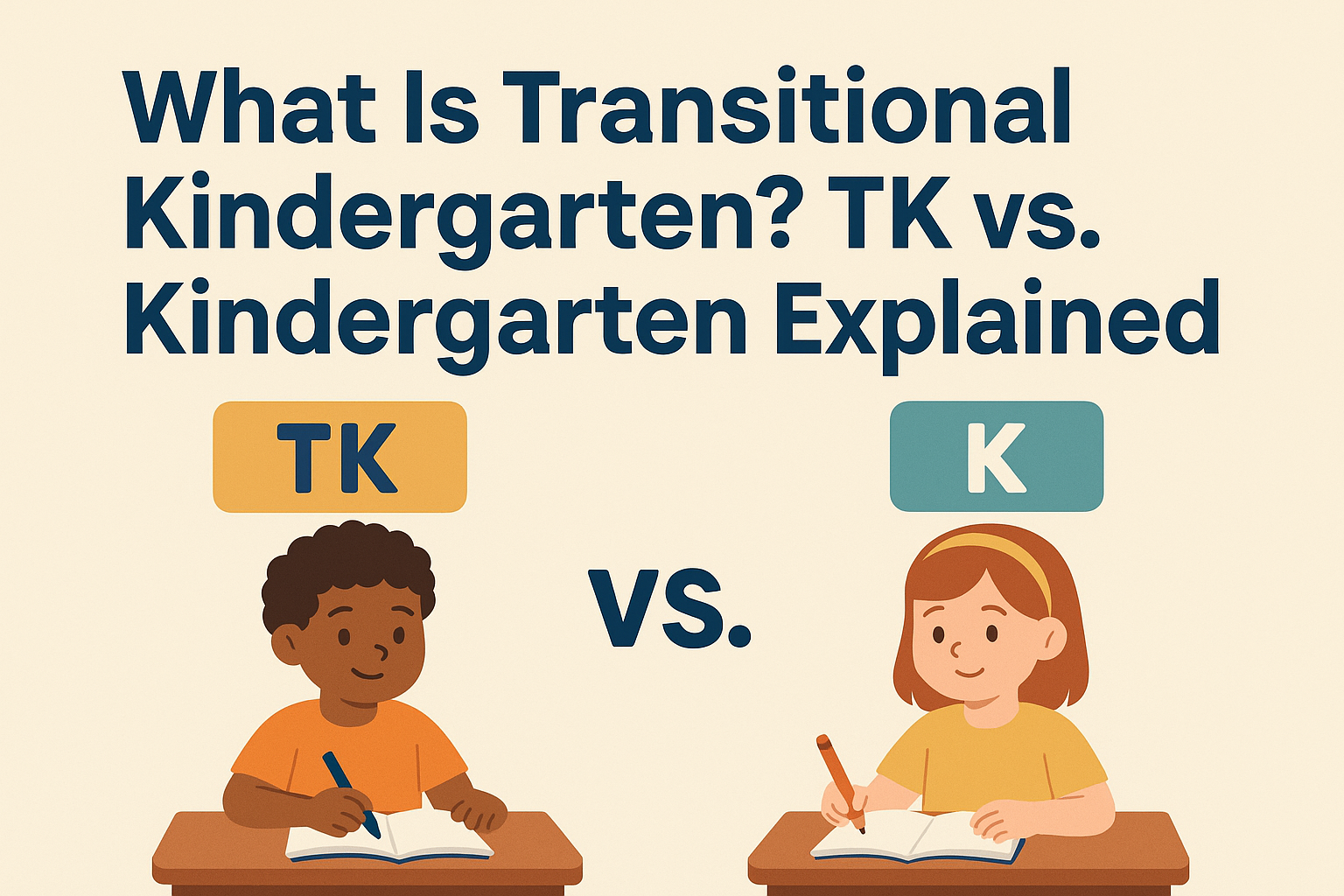
5. Transitional Kindergarten vs. Kindergarten: Key Differences
While both transitional kindergarten and kindergarten aim to prepare children for future academic success, their approaches and curricula differ significantly. As mentioned earlier, TK is more focused on developmental readiness, while kindergarten leans towards academic achievement.
Here are some key differences: Related reading: age requirements by state.
- Age Group: TK serves younger children (those who turn five late in the year), while kindergarten is typically for children who turn five by the start of the school year.
- Curriculum Focus: TK emphasizes social-emotional learning, while kindergarten focuses on more structured academic skills.
- Length of Day: TK programs often have shorter hours compared to traditional kindergarten, allowing for a gradual transition to the school day.
- Instruction Methods: TK utilizes play-based and hands-on learning methods, while kindergarten may incorporate more direct instruction.
Understanding these differences can help parents make informed decisions regarding their child’s educational needs.
6. Current Relevance of Transitional Kindergarten
The relevance of transitional kindergarten has grown in recent years, particularly following the disruptions caused by the COVID-19 pandemic. Many children experienced significant changes in their early learning experiences, leading to gaps in social and academic skills. As schools work to address these challenges, TK programs have emerged as a valuable resource to support children’s readiness for kindergarten.
Moreover, educational experts are advocating for the expansion of transitional kindergarten programs. Research suggests that early intervention can lead to positive outcomes, not only for individual children but also for communities as a whole. Increased investments in TK can help bridge the gap between preschool and kindergarten, ensuring that all children have a strong foundation for future success.
7. Making the Right Decision for Your Child
Ultimately, the choice between transitional kindergarten and traditional kindergarten should be based on your child’s unique needs and development. Take the time to observe your child’s social skills, emotional maturity, and academic readiness. Discuss your concerns with educators and other parents to gain insight into the best options available.
Visiting local TK programs and kindergarten classrooms can also be beneficial. Observing the environment, the teaching methods, and the interactions among children can give you a clearer picture of what will best suit your child. Remember, each child is different, and what works for one may not work for another. (See: National Institute of Child Health and Human Development.)
In conclusion, transitional kindergarten is a valuable option for many families. By providing an additional year of developmentally appropriate education, it can help children build the skills they need to thrive in kindergarten and beyond. As you consider your child’s educational journey, keep in mind the potential benefits of TK and how it may set the stage for future success.
8. Common Misconceptions About Transitional Kindergarten
There are several misconceptions surrounding transitional kindergarten that can lead to confusion among parents. Clearing these up can help families make informed decisions about their child’s education.
One common misconception is that transitional kindergarten is simply an extra year of preschool. While there are similarities, TK has a formal curriculum designed to meet the developmental needs of children. The focus is on preparing children for kindergarten, rather than just providing more playtime.
Another myth is that TK is only for children who are behind academically. In reality, TK is suitable for a broad range of children, including those who may be advanced but not emotionally ready for the pressures of traditional kindergarten. It serves as an inclusive option that can accommodate diverse learning styles.
Lastly, some parents believe that kids will be “held back” if they attend TK. On the contrary, research indicates that children who attend TK often exhibit greater confidence and joy in learning, making them more likely to excel in kindergarten and beyond.
9. Real-World Success Stories
Hearing from parents and educators about their experiences with transitional kindergarten can be insightful. Many parents report that their children entered TK shy and hesitant but emerged more confident and social. For instance, one parent shared that their child, who had trouble making friends in preschool, thrived in TK by engaging in group activities that taught collaboration and communication.
Teachers also report positive outcomes. A kindergarten teacher noted that her students who attended TK displayed better emotional regulation and social skills, which allowed them to adapt more quickly to the structured environment of traditional kindergarten. This alignment between TK and kindergarten creates a smoother transition, benefiting the entire classroom dynamic.
10. Statistics on Transitional Kindergarten
Understanding the impact of transitional kindergarten can be enhanced by looking at relevant statistics. According to the California Department of Education, over 300,000 children have participated in TK since its inception. Data collected shows that TK graduates have outperformed their peers in literacy and math assessments by as much as 20% in the early grades. implications of universal preschool offers useful background here.
Furthermore, studies indicate that students who attended TK are 15% more likely to be rated as “above average” in terms of social skills by their teachers in the first grade. Such data underscores the importance of TK not just academically but also in fostering well-rounded, socially adept individuals.
11. Frequently Asked Questions About Transitional Kindergarten
To further assist parents, here are some frequently asked questions about transitional kindergarten:
- Q: How do I know if my child is ready for transitional kindergarten?
A: Consider your child’s social skills, emotional maturity, and comfort level in structured settings. Consult with preschool teachers for their insights. - Q: How can I find a transitional kindergarten program in my area?
A: Check with local school districts or educational websites that provide information on early childhood programs. - Q: Are there costs associated with transitional kindergarten?
A: Many TK programs are funded by the state and may be free for eligible children. However, some private options may have fees. - Q: What if my child struggles in transitional kindergarten?
A: It’s important to communicate with teachers and staff. They can provide support and resources to help your child succeed. - Q: Can my child transition from TK to kindergarten at any time?
A: Typically, TK serves as a preparatory year before kindergarten, but individual assessments may allow for flexibility based on readiness.
12. The Role of Parents in Transitional Kindergarten
Parents play a crucial role in the transitional kindergarten experience. Being actively involved in your child’s education can enhance their learning and social development. Here are some ways you can support your child during this important transition:
- Engagement at Home: Create a learning-rich environment by incorporating educational activities into daily routines. Reading together, engaging in simple math games, and encouraging creative play can significantly impact their readiness.
- Communication with Educators: Maintain open lines of communication with your child’s TK teachers. Regular updates can provide insights into your child’s progress and areas where they may need assistance.
- Encouraging Social Interactions: Arrange playdates or group activities with peers. This helps build social skills and gives children a chance to practice what they learn in TK.
- Attend School Events: Participate in school activities, such as open houses and parent-teacher meetings. Being involved can foster a sense of community and show your child that education is valued.
13. Future Trends in Transitional Kindergarten
As educational needs evolve, transitional kindergarten is likely to see continued innovations. Some trends to watch for include:
- Increased Access: More states are recognizing the value of TK and are expanding programs to reach underserved communities, ensuring that all children have access to this critical early learning opportunity.
- Integration of Technology: With the rise of digital learning tools, TK programs may start incorporating technology in developmentally appropriate ways, enhancing engagement and learning experiences.
- Focus on Mental Health: As the awareness of mental health grows, TK programs may place increased emphasis on emotional well-being, incorporating practices that promote resilience and emotional literacy in children.
Transitional kindergarten stands out as a progressive educational model that addresses the diverse needs of young learners. It equips children with the necessary skills for future academic pursuits and social interactions, making it an excellent investment in their early education. By understanding the various facets of TK, parents can make informed choices that will positively impact their child’s developmental journey.
“`
Trending Now
Frequently Asked Questions
What is the purpose of transitional kindergarten?
Transitional kindergarten (TK) serves as a bridge between preschool and traditional kindergarten, designed for children who turn five between September and December. It focuses on social, emotional, and developmental skills, providing an enriched curriculum that meets the diverse educational needs of young learners.
How does transitional kindergarten differ from regular kindergarten?
The key difference lies in the curriculum and teaching approach. Transitional kindergarten emphasizes play-based learning and developmental milestones, while traditional kindergarten often focuses on academic readiness. TK provides a more tailored experience for children who may benefit from additional early learning.
Who is eligible for transitional kindergarten?
Transitional kindergarten is typically aimed at children who turn five years old between September and December. It is designed for kids who may need an extra year of early education to prepare for the structured environment of traditional kindergarten.
What does a typical transitional kindergarten curriculum include?
A typical transitional kindergarten curriculum includes hands-on learning experiences that promote social skills development, conflict resolution, and peer interaction. It focuses on interactive activities that support children's growth and developmental milestones in a playful environment.
Is transitional kindergarten a good choice for my child?
Transitional kindergarten can be a great choice for children who may benefit from an extra year of development before entering kindergarten. It provides a nurturing environment that emphasizes social and emotional growth, making it ideal for kids who may not yet be ready for the academic demands of traditional kindergarten.
Agree or disagree? Drop a comment and tell us what you think.



