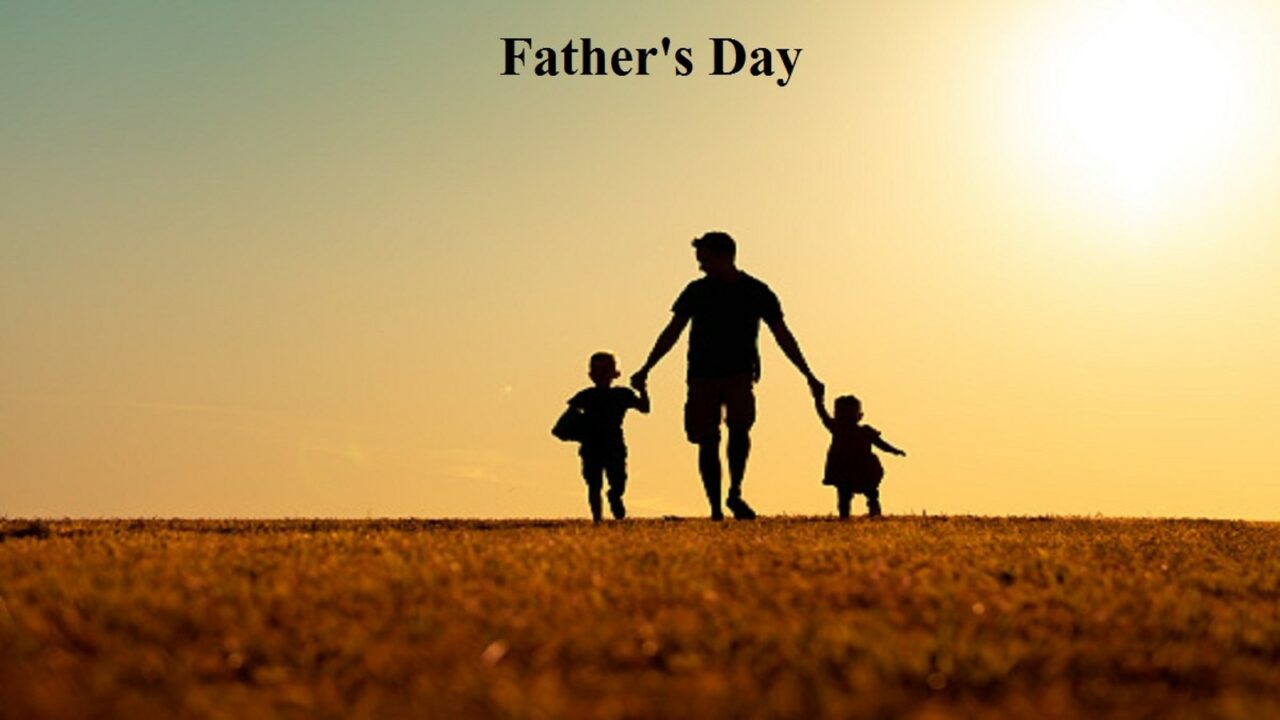

Father’s Day is a special occasion dedicated to honoring fathers and father figures, celebrating their influence in our lives, and recognizing the essential role they play in families and society. While Mother’s Day has a longer and more established history, Father’s Day has grown to become an equally important day of recognition in many countries worldwide. Understanding when Father’s Day is celebrated, its origins, and its significance helps us appreciate this meaningful holiday.
When is Father’s Day in 2025?
In the United States and many other countries, Father’s Day 2025 will be celebrated on Sunday, June 15, 2025.
Father’s Day is observed on the third Sunday in June in the United States and numerous other nations, including:
- Canada
- United Kingdom
- India
- Japan
- Mexico
- Netherlands
- France
- South Africa
- Philippines
- Singapore
- And many others
Father’s Day Dates for Upcoming Years
| Year | Father’s Day Date (U.S., UK, Canada, and many others) |
| 2025 | Sunday, June 15 |
| 2026 | Sunday, June 21 |
| 2027 | Sunday, June 20 |
| 2028 | Sunday, June 18 |
| 2029 | Sunday, June 17 |
Different Father’s Day Dates Around the World
While many countries celebrate Father’s Day on the third Sunday in June, some nations observe the holiday on different dates:
March
- March 19: Italy, Spain, Portugal, and some Latin American countries (coinciding with St. Joseph’s Day, who is the patron saint of fathers)
- March (varies): Croatia (St. Joseph’s Day)
May
- Second Sunday in May: Romania
- Last Sunday in May: Sweden and Denmark
- May 21: Germany (Ascension Day/Men’s Day)
June
- First Sunday in June: Lithuania
- Second Sunday in June: Austria and Belgium
- Third Sunday in June: Most countries including US, UK, Canada, India, Japan, etc.
August
- Second Sunday in August: Brazil
September
- First Sunday in September: Australia and New Zealand
- First Sunday of September or August: Latvia
November
- Second Sunday in November: Finland, Norway, Sweden, and Estonia
December
- December 5: Thailand (coincides with the birthday of the late King Bhumibol Adulyadej)
- December 26: Bulgaria
The Origins of Father’s Day
The path to establishing Father’s Day as a recognized holiday was longer and more complex than that of Mother’s Day:
Early Attempts
The earliest recorded Father’s Day service occurred on July 5, 1908, in Fairmont, West Virginia, following a devastating mining disaster that killed 361 men, many of them fathers. Grace Golden Clayton suggested a service to honor all fathers, especially those who died in the mining accident.
Sonora Smart Dodd: The “Mother of Father’s Day”
The more widely acknowledged founder of Father’s Day is Sonora Smart Dodd from Spokane, Washington. After hearing a Mother’s Day sermon in 1909, Dodd wanted to honor her father, William Jackson Smart, a Civil War veteran who raised six children as a single parent after his wife died in childbirth.
Key developments in Dodd’s campaign:
- She initially suggested June 5, her father’s birthday
- The local ministers needed more time to prepare, so the celebration was postponed to the third Sunday in June
- The first official Father’s Day celebration occurred on June 19, 1910, in Spokane
Path to National Recognition
The road to making Father’s Day an officially recognized holiday was lengthy:
- 1916: President Woodrow Wilson approved the concept
- 1924: President Calvin Coolidge recommended national observance
- 1966: President Lyndon B. Johnson issued the first presidential proclamation honoring fathers, designating the third Sunday in June as Father’s Day
- 1972: President Richard Nixon signed a law making Father’s Day a permanent national holiday
Why Father’s Day Falls in June
Several factors contributed to June becoming the traditional month for Father’s Day in the United States and many other countries:
- Historical Precedent: Sonora Smart Dodd’s initial celebration in June 1910 established the month as the traditional time for the holiday.
- Seasonal Considerations: June offers pleasant weather in the Northern Hemisphere, allowing for outdoor celebrations and activities appropriate for many traditional father-child activities.
- Retail Spacing: From a commercial perspective, placing Father’s Day in June creates a balanced retail calendar, coming several weeks after Mother’s Day (second Sunday in May) and before major summer holidays.
- Balance with Mother’s Day: The approximately one-month spacing between Mother’s Day and Father’s Day provides families with adequate time to prepare for both celebrations.
How Father’s Day is Celebrated Around the World
Father’s Day traditions vary widely across cultures, reflecting different family dynamics and cultural values:
United States and Canada
- Gifts often include ties, tools, technology, sporting equipment, or outdoor gear
- Activities might involve barbecues, sporting events, or outdoor recreation
- Cards and phone calls are common ways to connect with distant fathers
- Many families dine out, making Father’s Day one of the busiest restaurant days of the year
United Kingdom
- Similar to American celebrations with gifts and cards
- Outdoor activities are popular when weather permits
- Pub lunches are a common way to celebrate
Germany
- Celebrated as “Vatertag” or “Männertag” (Men’s Day) on Ascension Day
- Traditional celebrations involve men hiking together with wagons of beer and regional food
- More recently, American-style celebrations have become common
Mexico
- Celebrated with festive family meals
- “Día del Padre” often includes running events called “Carrera Día del Padre 21K”
- Gifts and cards are exchanged
Japan
- Children traditionally give gifts like origami, beer, sweets, or crafts
- Common presents include cologne, whiskey, fashion items, and sports equipment
- Many families share a special meal
Thailand
- Coincides with the birthday of the late King Bhumibol Adulyadej (December 5)
- Children traditionally give canna flowers to their fathers
- The color associated with Father’s Day is yellow
The Evolution of Father’s Day Celebrations
Father’s Day observances have evolved significantly over time:
Early 20th Century
- Primarily religious and civic observances
- Simple celebrations focused on honoring fathers’ contributions
- Limited commercial involvement
Mid-20th Century
- Growing recognition through presidential proclamations
- Increasing participation by families
- Beginning of commercial gift-giving traditions
Late 20th Century
- Established as a permanent national holiday (1972 in the US)
- Strong retail presence with targeted marketing
- Expansion of gift categories beyond traditional items
21st Century
- More diverse recognition of various types of father figures
- Greater emphasis on experiences over material gifts
- Social media sharing of Father’s Day messages and memories
- Recognition of the changing nature of fatherhood and diverse family structures
- Increasing emphasis on emotional expression and appreciation
Economic Impact of Father’s Day
Father’s Day has significant economic implications:
Retail Spending
- Americans spend approximately $17 billion annually on Father’s Day
- Average per-person spending around $140-170
- Significantly less than Mother’s Day spending (approximately $25 billion)
Popular Gift Categories
- Special outings (dining, sports events, etc.)
- Clothing
- Gift cards
- Electronics
- Personal care items
- Tools and home improvement items
- Sporting goods
Business Impact
- Restaurants see a 50% increase in business
- Greeting card sales spike (Father’s Day is the fourth-largest card-sending occasion)
- Neckties sell more in the week before Father’s Day than any other time of year
- Increasingly popular subscription services see a boost in new sign-ups
Father’s Day Around the World: Cultural Significance
The way Father’s Day is observed reflects deeper cultural values regarding fatherhood:
Latin American Influence
Countries with strong Catholic traditions often tie Father’s Day to St. Joseph’s Day, emphasizing the religious ideal of fatherhood.
Scandinavian Approach
The later observance in Nordic countries (November) is partly practical—allowing for indoor celebrations during colder months—and reflects the region’s emphasis on work-life balance for fathers.
Asian Traditions
Many Asian countries have adopted Western-style Father’s Day relatively recently, often blending it with existing cultural traditions honoring ancestors and family patriarchs.
Middle Eastern Observances
Several Middle Eastern nations observe Father’s Day, with dates varying by country, recognizing the traditional importance of fathers as family leaders while adapting to changing family dynamics.
The Changing Face of Fatherhood and Father’s Day
Father’s Day celebrations have evolved to reflect changing perceptions of fatherhood:
Recognition of Diverse Father Figures
Modern Father’s Day increasingly acknowledges:
- Stepfathers
- Grandfathers
- Foster fathers
- Mentors and other father figures
- Single fathers
- Same-sex parents
- Non-binary parents
- Absent fathers reconnecting with children
Shifts in Cultural Expectations
- Movement from celebrating primarily the provider role to recognizing emotional nurturing
- Greater emphasis on fathers’ active involvement in childcare
- Recognition of work-life balance challenges for fathers
- Acknowledgment of diverse parenting styles and family structures
Technological Influence
- Video calls connecting distant family members
- Social media tributes and public expressions of gratitude
- Digital gift-giving (subscriptions, online experiences, etc.)
- Father’s Day hashtags and online celebrations
Father’s Day Controversies and Criticisms
Like many holidays, Father’s Day has faced some criticism:
Commercial Aspects
Some critics view Father’s Day as primarily a “Hallmark holiday” driven by commercial interests rather than genuine sentiment.
Exclusionary Concerns
The holiday can be difficult for:
- Those who have lost their fathers
- People with absent or abusive fathers
- Children in mother-only households
- Individuals struggling with infertility or the inability to become fathers
Gender Role Reinforcement
Some argue that traditional Father’s Day marketing reinforces gender stereotypes about fathers’ interests and roles.
Comparison to Mother’s Day
The disparity in spending and attention between Mother’s Day and Father’s Day has been noted as reflecting persisting gender imbalances in how parental roles are valued.
Father’s Day Gift Trends for 2025
Based on emerging trends, Father’s Day 2025 is likely to see:
- Experience-Based Gifts: Continued growth in gifting experiences over material items, including subscriptions, classes, and adventures
- Tech-Forward Presents: Smart home devices, wearable technology, and personalized tech accessories
- Sustainability Focus: Eco-friendly products, including sustainable clothing, reusable items, and environmentally responsible brands
- Mental Health and Wellness: Self-care packages, wellness subscriptions, and stress-reduction tools designed for men
- Personalization: Custom-made items leveraging digital manufacturing technologies for truly unique gifts
Conclusion
Father’s Day, celebrated on the third Sunday in June in the United States and many other countries (June 15, 2025), has evolved from modest beginnings into a significant cultural and commercial event. While the specific date varies across different nations, the essence of the holiday remains constant: honoring fathers and father figures for their contributions to family and society.
From Sonora Smart Dodd’s early advocacy to today’s diverse celebrations, Father’s Day has adapted to changing family structures and evolving perceptions of fatherhood. Whether through traditional gifts, shared experiences, or simple expressions of gratitude, Father’s Day provides an opportunity to recognize the important role fathers play in our lives.
As we look toward Father’s Day 2025 and beyond, the holiday continues to evolve, becoming more inclusive of different types of father figures and more reflective of the complex, multifaceted nature of modern fatherhood.