
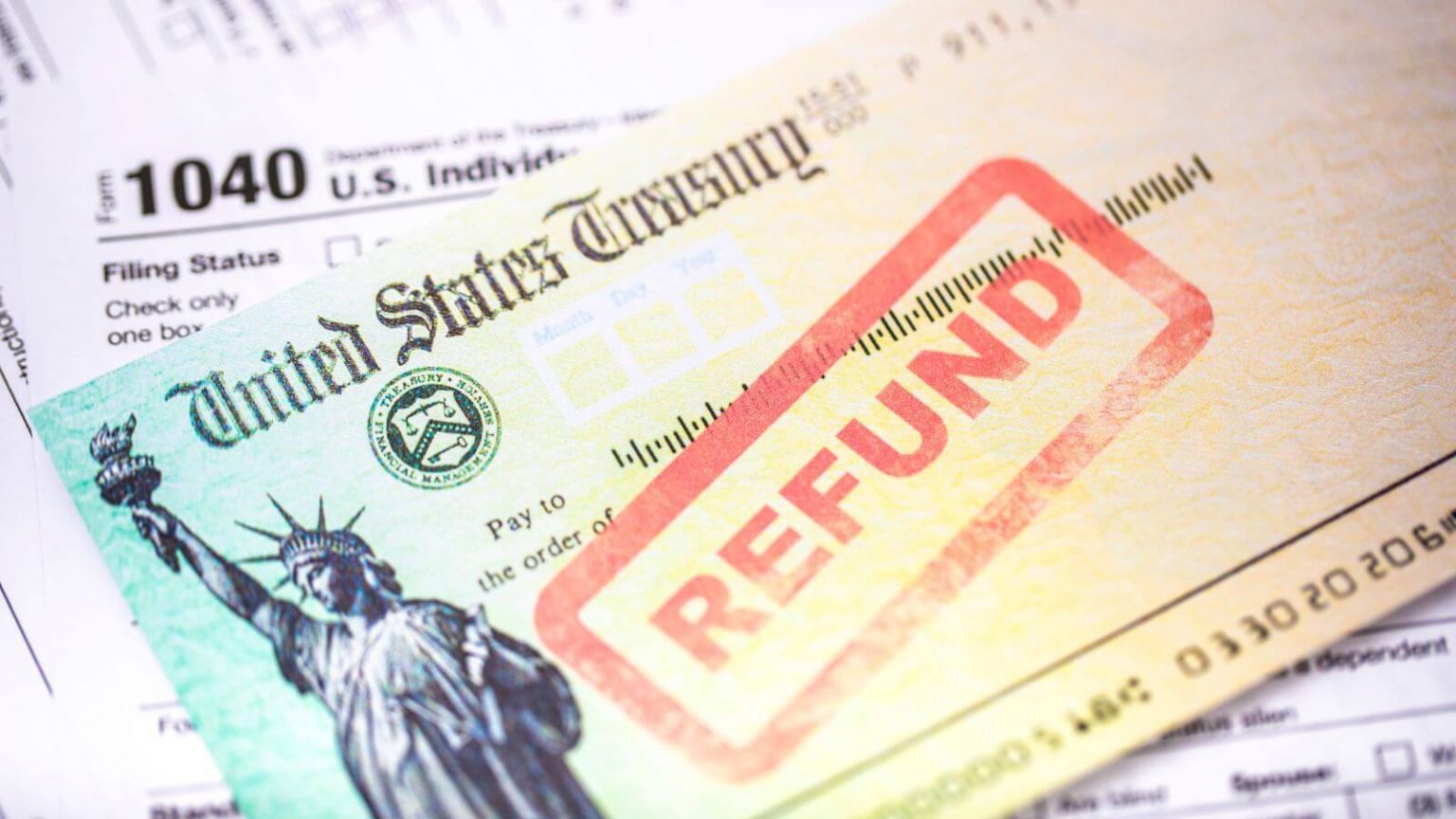

Tax season brings a mix of stress and anticipation for millions of Americans each year. While filing taxes might be tedious, the prospect of receiving a refund makes the process worthwhile for many taxpayers. However, once you’ve submitted your tax return, the waiting game begins. “Where’s my refund?” becomes a common question in households across the country.
IRS Refund Tracking System
The Internal Revenue Service (IRS) has created a convenient way to track your federal tax refund status. Their official tool, aptly named “Where’s My Refund,” allows taxpayers to check their refund status within 24 hours of the IRS acknowledging receipt of an electronically filed tax return, or within 4 weeks of mailing a paper return.
To use the “Where’s My Refund” tool, you’ll need:
- Your Social Security Number (SSN) or Individual Taxpayer Identification Number (ITIN)
- Your filing status (single, married filing jointly, etc.)
- The exact whole dollar amount of your expected refund
The tool provides real-time updates as your return moves through three stages:
- Return Received: The IRS has received your tax return and is processing it.
- Refund Approved: Your refund has been approved and is being prepared for direct deposit or a check is being printed.
- Refund Sent: Your refund has been sent to your financial institution for direct deposit or a paper check has been mailed.
Timing of Tax Refunds
Most refunds are issued within 21 days of the IRS receiving your return. However, several factors can affect this timeline:
- Filing Method: Electronic filing (e-filing) generally results in faster processing compared to paper returns.
- Payment Method: Direct deposit is the fastest way to receive your refund, typically arriving 1-3 weeks after the IRS accepts your return. Paper checks may take several additional weeks.
- Tax Credits Claimed: Returns claiming certain credits, particularly the Earned Income Tax Credit (EITC) or the Additional Child Tax Credit (ACTC), cannot be issued before mid-February due to the Protecting Americans from Tax Hikes (PATH) Act.
- Errors or Incomplete Information: Issues with your return will delay processing.
- Identity Verification: The IRS may need to verify your identity if fraud is suspected.
State Tax Refunds
In addition to federal tax refunds, most states that collect income tax also provide refund tracking services. Each state has its own system, typically accessible through the state’s department of revenue or taxation website. The information needed to check your state refund status is usually similar to the federal requirements.
Common Refund Delays
Several situations can cause your refund to be delayed beyond the standard processing time:
- Math Errors: Simple calculation mistakes can trigger a manual review.
- Missing Information: Incomplete forms or missing signatures will delay processing.
- Identity Theft Concerns: If the IRS suspects identity theft, they’ll take additional steps to verify your identity.
- Amended Returns: If you’ve filed an amended return, the processing time extends to 16 weeks or more.
- Claiming Certain Credits: As mentioned earlier, certain tax credits trigger automatic additional review.
- Offset Program: If you owe certain debts (like back taxes, child support, or student loans), your refund may be reduced or withheld entirely.
What to Do if Your Refund is Delayed
If it’s been more than 21 days since your electronic filing was accepted (or more than 6 weeks since mailing a paper return) and you haven’t received your refund, you have several options:
- Check the “Where’s My Refund” Tool Again: The tool updates daily, typically overnight.
- Call the IRS Refund Hotline: The automated system at 800-829-1954 provides the same information as the online tool.
- Contact IRS Taxpayer Assistance: For personalized help, call 800-829-1040. Be prepared for potentially long wait times, especially during peak tax season.
- Request a Tax Transcript: Order a tax transcript online or by mail using Form 4506-T. This free service shows when the IRS processed your return and can help confirm whether a refund was issued.
Tax Refund Advances
Some tax preparation services offer refund advances, which are essentially short-term loans based on your expected refund amount. While these can provide quick access to funds, they often come with fees or interest charges. Consider whether the convenience of getting money a few weeks earlier justifies any additional costs.
Smart Ways to Use Your Tax Refund
Once your refund arrives, consider putting it to good use:
- Pay Down High-Interest Debt: Eliminating credit card debt or personal loans can save you significant money on interest.
- Build an Emergency Fund: Financial experts recommend having 3-6 months of expenses saved for unexpected situations.
- Invest in Retirement: Contributing to an IRA or increasing your 401(k) contributions can help secure your financial future.
- Home Improvements: Consider projects that increase your home’s value or energy efficiency.
- Education Funding: Add to a college savings plan for yourself or your children.
Adjusting Your Withholding
If you consistently receive large tax refunds, consider adjusting your tax withholding using Form W-4. While receiving a refund might feel like a windfall, it essentially means you’ve been giving the government an interest-free loan throughout the year. Adjusting your withholding allows you to increase your take-home pay year-round.
In conclusion, tracking your tax refund is a straightforward process thanks to the IRS’s online tools. By understanding the factors that affect refund timing and knowing what to do if delays occur, you can navigate tax season with greater confidence and less stress.


