
“`html
Introduction
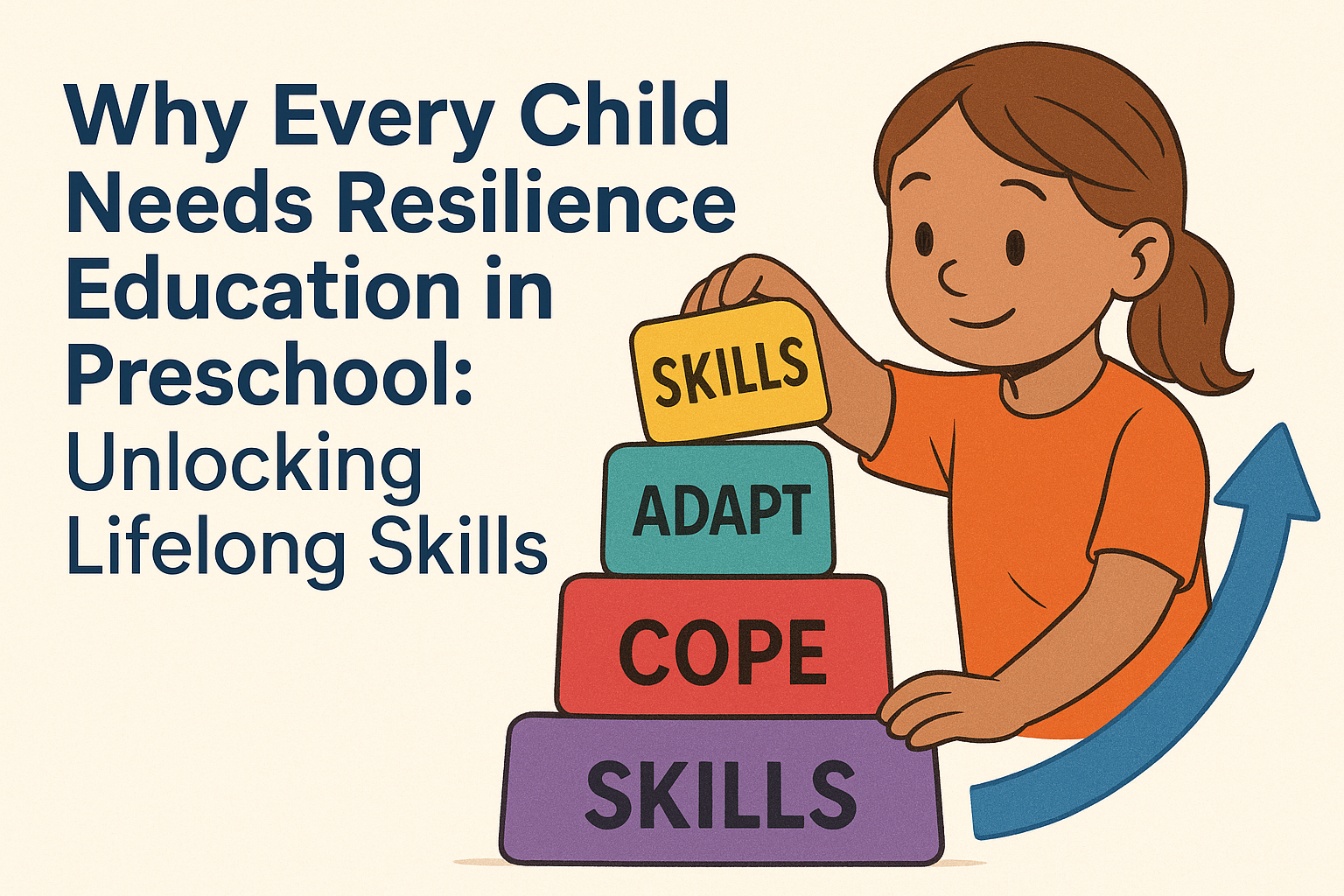
When you think about education, the first subjects that come to mind might be math, science, or reading. However, what if I told you that one of the most crucial lessons children can learn in preschool is how to bounce back from setbacks? Resilience education preschool offers a framework for teaching young children essential coping skills that can significantly impact their future. With today’s rapidly changing world, fostering resilience in early childhood has never been more critical.
The Importance of Resilience
Resilience is defined as the ability to adapt well in the face of adversity, trauma, or significant sources of stress. It’s not just about enduring hardship; it’s about thriving despite it. Research shows that resilient individuals are likely to experience greater emotional stability, improved academic performance, and enhanced social skills.
According to a report from the American Psychological Association (APA), resilience can be cultivated at any age, but early intervention can make a significant difference. By introducing resilience education in preschool, we lay a foundation that can carry children through their academic journey and into adulthood.
Why Preschool is the Right Time
Preschool-aged children, typically aged 3-5, are at a unique developmental stage. They are naturally curious, eager to learn, and in the process of forming their social identities. During this period, children are also learning how to navigate their emotions, which makes it an ideal time to embed resilience-building strategies.
One of the key components of resilience is emotional regulation. At this stage, children are beginning to understand their feelings and how to express them appropriately. Programs that incorporate resilience education preschool can teach skills such as recognizing emotions, problem-solving, and coping strategies — all within a safe and supportive environment.
Curriculum Components of Resilience Education
Implementing resilience education in preschool can take various forms, but certain core components are universally beneficial: (See: CDC resources on mental health in youth.)
- Emotional Literacy: Children learn to recognize and name their feelings, both positive and negative. This skill is foundational for developing emotional intelligence.
- Problem-Solving Skills: Through play and discussion, children are guided in finding solutions to challenges, fostering a mindset that views problems as opportunities for growth.
- Social Skills: Learning to communicate effectively and work collaboratively with peers is essential. Resilience education teaches children how to navigate social interactions, handle disagreements, and build friendships.
- Growth Mindset: Encouraging a growth mindset helps children understand that abilities can be developed through dedication and hard work. This perspective is essential for resilience.
- Mindfulness Practices: Simple mindfulness activities can help young children develop focus and emotional control, equipping them with tools to manage stress.
Real-World Applications and Success Stories
Implementing resilience education in preschool is not just a theoretical concept; many schools and programs across the country have successfully integrated these principles. For example, the Southwest Behavioral Health Center in Utah has developed a program that focuses on teaching emotional literacy and problem-solving in early childhood classrooms. Teachers report that children in these programs demonstrate improved social interactions and a stronger ability to cope with life’s challenges.
Another success story comes from the Bounce Back Project, a community initiative in Pennsylvania that aims to teach resilience through storytelling and interactive play. Early assessments showed that participating children exhibited better emotional regulation and enhanced social skills compared to their peers.
Challenges and Considerations
While the benefits of resilience education are clear, there are challenges to implementing such programs. One of the main hurdles is the existing curriculum. Many preschools are already packed with mandatory academic content, leaving little room for additional programs focused on emotional skills.
Moreover, not all educators feel equipped to teach resilience effectively. Professional development and training are crucial for teachers to feel confident in their ability to foster these skills.
Funding is another concern. Programs that emphasize resilience education often require additional resources for training materials, workshops, and ongoing support. Advocates argue that investing in these programs is a crucial step in promoting long-term success for children.
Practical Insights for Parents and Educators
Parents and educators can play a significant role in supporting resilience education preschool. Here are some practical strategies to consider:
- Model Resilience: Children learn a great deal through observation. By modeling resilience in your own life, whether it’s facing a challenge or talking about mistakes as learning opportunities, you set a powerful example.
- Create a Safe Space: Encourage open conversations about feelings and emotions. Create an environment where it’s okay to express struggles and ask for help.
- Teach Coping Strategies: Introduce simple coping techniques, such as deep breathing or visualization, that children can use when they feel overwhelmed.
- Encourage Independence: Allowing children to make choices, solve problems, and face minor challenges on their own builds confidence and resilience.
- Celebrate Efforts: Praise not just the outcomes, but also the effort put into overcoming challenges. This reinforces the idea that persistence is valuable.
The Future of Resilience Education
As we look ahead, the demand for resilience education preschool is likely to grow. With increasing awareness around mental health and emotional well-being, educators and policymakers recognize the need for a holistic approach to education that encompasses both cognitive and emotional development.
Current trends indicate a shift toward incorporating social-emotional learning (SEL) in educational settings. Many states are beginning to integrate SEL competencies into their education standards. This broader recognition paves the way for resilience education to become a fundamental component of early childhood education. (See: NIH overview of resilience in children.)
Statistics on Resilience in Early Childhood
Understanding how resilience impacts young children can be reinforced through statistics. Data shows that:
- Children who participate in resilience-building programs are 40% more likely to show improved coping skills compared to their peers.
- Studies indicate that 70% of teachers observed a positive change in children’s behavior and interactions after implementing resilience education strategies.
- Research conducted by the Center for Responsive Schools found that students with strong social-emotional skills, which are nurtured through resilience education, score an average of 11 percentile points higher on standardized tests than their peers.
Expert Perspectives on Resilience Education
Experts in child psychology and education emphasize the importance of resilience education. Dr. Linda Graham, a well-known psychologist, states, “Resilience isn’t a fixed trait. It can be cultivated through education, support, and practice.” This perspective emphasizes that resilience education is not just a luxury; it is a necessity for developing emotionally healthy individuals.
Similarly, Dr. Kenneth Ginsburg, a pediatrician specializing in adolescent medicine, advocates for resilience education as a means to foster “the protective factors that allow children to thrive.” He suggests that incorporating resilience into curricula can lead to a more robust learning environment that prepares children for the complexities of life.
FAQ about Resilience Education Preschool
What age is best to start resilience education in children?
While resilience can be nurtured at any age, preschool is an ideal time to start since children are developing their social and emotional skills. Programs designed for 3-5-year-olds can lay the groundwork for future resilience.
How can parents reinforce resilience education at home?
Parents can reinforce resilience education by discussing emotions openly, modeling problem-solving strategies, and encouraging their children to take on age-appropriate challenges. Creating a safe space for children to express feelings is crucial.
Are there specific programs you recommend for preschool resilience education?
Several programs focus on resilience education, including the PATHS (Promoting Alternative Thinking Strategies) curriculum and the Second Step program. These are designed to enhance social-emotional learning in preschool settings.
How does resilience education impact academic performance?
Research suggests that children who learn resilience skills tend to have better academic outcomes. They are more likely to engage in class, participate in group work, and handle academic stress effectively, leading to improved performance.
Can resilience education help in other areas of life?
Absolutely! Skills gained through resilience education can benefit children in many areas, including personal relationships, conflict resolution, and emotional health throughout their lives. These foundational skills are crucial for navigating future challenges.
Building a Resilient Community
Creating a supportive network around children is vital for effective resilience education. This means involving not just parents and educators, but also the wider community. Local organizations can contribute by offering workshops and resources that focus on resilience and emotional intelligence. By fostering a community-wide approach, children learn that resilience is a collaborative effort rather than an individual task.
Resources for Educators
For educators looking to implement resilience education, numerous resources are available. Websites like CASEL (Collaborative for Academic, Social, and Emotional Learning) provide research-based tools and strategies for integrating social-emotional learning into curricula. Additionally, organizations such as Edutopia offer articles and videos showcasing successful resilience programs in action.
Long-Term Benefits of Resilience Education
Research indicates that the benefits of resilience education extend far beyond preschool years. According to a longitudinal study by the National Institute of Mental Health, children who were taught resilience skills in early childhood reported higher levels of life satisfaction and lower levels of anxiety and depression as teenagers. Additionally, those skills often translate into better interpersonal relationships and career success later in life.
In summary, resilience education in preschool is not merely an add-on; it is a vital component of a well-rounded educational experience. By equipping young children with the tools they need to navigate life’s challenges, we are preparing them for a future filled with potential. As both parents and educators, we have the opportunity to foster resilience in the next generation, ensuring they are not just ready to face the world, but ready to thrive in it.
“`
Trending Now
Frequently Asked Questions
What is resilience education in preschool?
Resilience education in preschool focuses on teaching young children essential coping skills to help them adapt well to adversity and stress. This educational approach emphasizes emotional regulation, problem-solving, and recognizing emotions, laying a foundation for future emotional stability and social skills.
Why is resilience important for children?
Resilience is crucial for children as it enables them to thrive despite challenges. Research indicates that resilient individuals experience better emotional stability, academic performance, and social interactions. Early resilience education helps children develop these important skills at a young age.
How can preschoolers learn resilience skills?
Preschoolers can learn resilience skills through structured programs that incorporate emotional regulation, problem-solving, and coping strategies. Activities that encourage children to recognize and express their emotions in a safe environment are key components of resilience education.
At what age should resilience education start?
Resilience education should ideally start in preschool, when children are aged 3 to 5. This developmental stage is critical as children are naturally curious and beginning to form their social identities, making it the perfect time to introduce resilience-building strategies.
What are the benefits of teaching resilience in early childhood?
Teaching resilience in early childhood provides long-term benefits, including improved emotional stability, enhanced academic performance, and better social skills. By fostering these skills early on, children are better equipped to handle life's challenges throughout their lives.
Agree or disagree? Drop a comment and tell us what you think.