
“`html
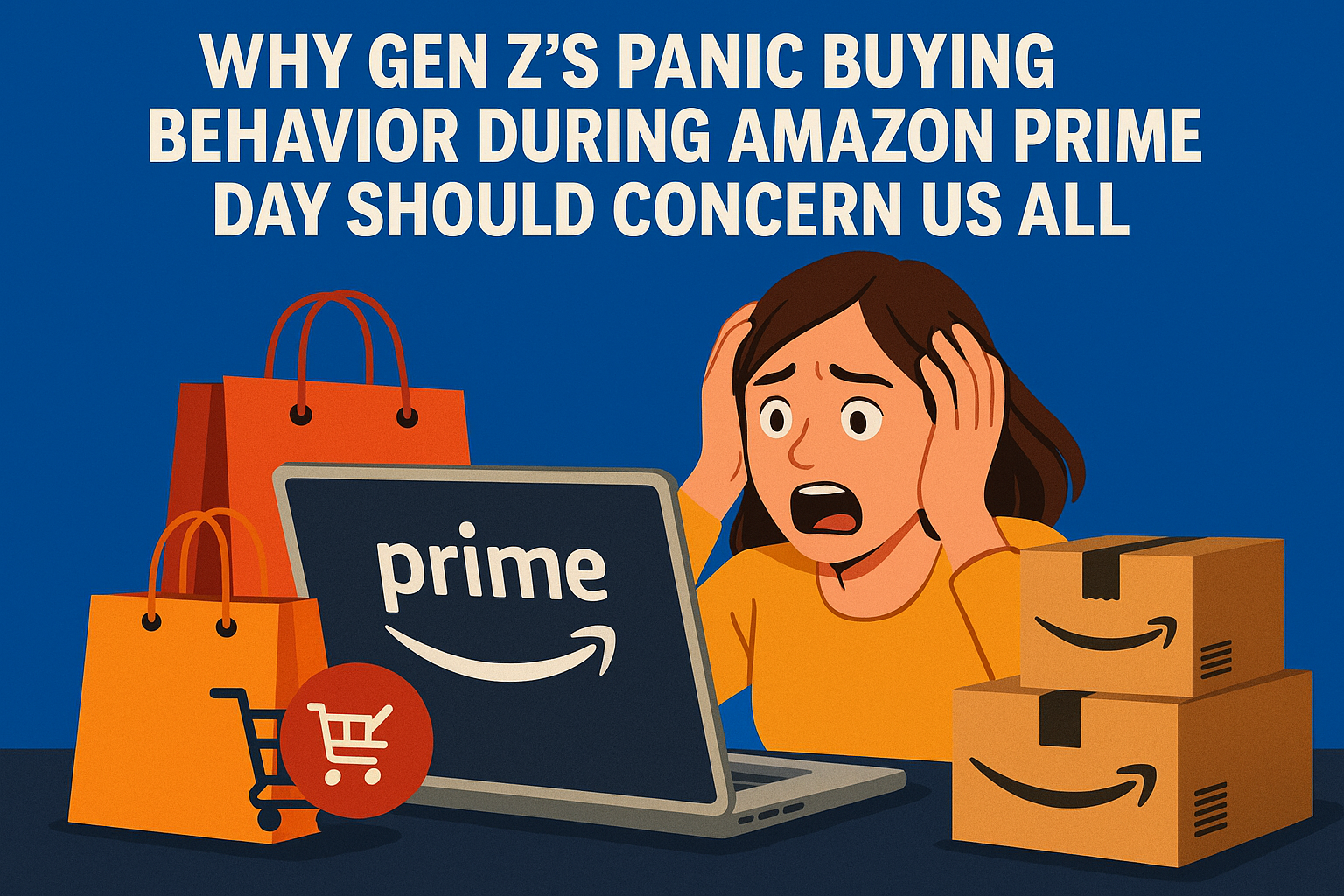
The rise of Gen Z and their unique consumer behaviors have been a significant focus for marketers and economists alike. One alarming trend observed recently is the Gen Z panic buying behavior, particularly highlighted during major shopping events like Amazon’s Prime Day. In 2026, Americans are projected to spend an astonishing $26.3 billion over this four-day sale period, but this spike in consumer spending isn’t indicative of joy or celebration. Instead, it reveals a troubling undercurrent of fear and economic uncertainty gripping this younger generation.
The Psychology Behind Panic Buying
Panic buying isn’t a new phenomenon, but its manifestation among Gen Z is raising eyebrows. Subject to economic instability and a rapidly changing job market, Gen Z consumers are finding themselves in a precarious position. This demographic, now aged between 9 and 26, is often characterized by their digital savviness and desire for instant gratification. However, the psychological factors driving their purchasing decisions are more complex.
According to research, the feeling of scarcity can lead to increased purchasing behaviors. When people feel that essential goods might soon be unavailable or more expensive, the instinct to buy now and worry later kicks in. This explains why many Gen Z buyers are allocating a staggering 26% of their disposable income on essentials during Amazon’s Prime Day. The fear of missing out (FOMO) plays a vital role in this behavior, significantly amplified by social media where users share their shopping experiences and the deals they’ve snagged.
Unpacking Economic Uncertainty
It’s crucial to understand the backdrop against which Gen Z’s panic buying behavior is unfolding. The global economy has been marked by instability, inflationary pressures, and a volatile job market, which makes financial planning challenging. Many Gen Zers are still navigating the after-effects of the COVID-19 pandemic, which has left many in precarious financial situations. A survey conducted by a leading research firm found that over 60% of Gen Z consumers feel anxious about their financial futures, unable to predict their economic stability in the long run.
This feeling of uncertainty is compounded when major sales events like Amazon Prime Day come around. Instead of a celebratory shopping spree, these events feel like a race against the clock. With prices expected to rise in the future, Gen Z shoppers feel compelled to buy essential items now, further driving the panic buying behavior.
The Role of Social Media
Social media is undoubtedly a double-edged sword when it comes to shopping behaviors. While it provides platforms for sharing deals and recommendations, it also fosters a culture of comparison and competition. During events like Amazon Prime Day, platforms such as TikTok and Instagram become flooded with posts related to shopping hauls, showcasing everything from tech gadgets to fashion essentials.
In this digital landscape, the fear of missing out becomes palpable. Many Gen Z consumers report feeling pressured to purchase certain items not because they need them, but to keep up with their peers or to avoid the regret of not having bought something that may soon be out of reach. This collective anxiety around shopping and consumer behavior illustrates an inherent psychological trap, where the desire to belong complicates personal financial decisions. (See: Understanding stress and its effects.)
Data-Driven Insights into Consumer Behavior
The numbers are telling. According to a recent report, despite the record sales during Amazon’s Prime Day, many Gen Z consumers expressed a lack of joy surrounding their purchases. In fact, a large percentage of respondents admitted that shopping felt more like a necessity than a pleasurable activity. This aligns with the broader economic context, suggesting that these spending surges do not reflect a healthy consumer sentiment.
For example, a survey by a financial planning app found that 70% of Gen Z respondents would identify their recent spending as ‘panic-related’ rather than ‘joyful’ or ‘planned.’ This indicates a troubling reality: as spending rises, consumer sentiment appears to decline. The sheer volume of spending during these events may mask deeper issues related to financial health and stress.
Consequences of Panic Buying
The implications of Gen Z’s panic buying behavior extend beyond individual financial health. For retailers, what might seem like a boon in sales can be a warning sign of a deeper economic malaise. When consumers buy out of fear rather than desire, it can lead to an unsustainable economic cycle. Retailers may interpret increased sales as a sign of robust consumer confidence, misguiding inventory planning and sales strategies.
This behavior can also have adverse effects on the supply chain. As demand surges, retailers often scramble to meet consumer expectations, leading to stock shortages and inflated prices. This cycle then perpetuates the very panic that drives consumer behavior, creating an ongoing loop of anxiety for both buyers and businesses.
Looking Ahead: Managing Financial Anxiety
As we continue to analyze and understand the Gen Z panic buying behavior, there are actionable steps both consumers and retailers can take to mitigate the anxiety driving these trends. For consumers, it’s essential to adopt a more critical mindset toward purchases. Making a shopping list ahead of time, focusing on needs rather than wants, and allowing time for reflection before making a purchase can all help reduce impulsivity.
Financial literacy is also crucial. Many young consumers are navigating complex financial landscapes without a solid foundation of financial education. Schools, communities, and families should prioritize teaching budgeting, saving, and responsible spending. By empowering Gen Z with the knowledge to make informed financial decisions, it can help alleviate some of the panic-driven behavior observed during events like Amazon Prime Day.
A Final Thought: The Cost of Panic
The phenomenon of panic buying among Gen Z is both fascinating and concerning. While it’s human nature to want to secure essentials during uncertain times, the emotional and psychological ramifications of such behaviors are noteworthy. As consumers, it’s vital to recognize the underlying motivations driving our purchasing decisions and to strive for a balance that prioritizes mental well-being and financial health over fleeting trends.
As we move forward, understanding the impact of economic factors on consumer behavior will be essential for both individuals and businesses. By addressing the root causes of financial anxiety, we can foster a healthier relationship with spending that transcends mere panic and reflects a more stable, informed approach to consumerism. (See: Gen Z consumers during Amazon Prime Day.)
Tips for Retailers: Navigating Gen Z Panic Buying
Retailers can play a crucial role in either exacerbating or alleviating Gen Z panic buying behavior. Understanding their psyche can help businesses cater to this market more effectively. Here are several strategies:
- Transparent Communication: Retailers should maintain clear and honest communication about product availability and pricing. If consumers feel they can trust a brand, they’re less likely to panic buy.
- Promoting Financial Wellness: Initiatives that focus on educating young consumers about budget-friendly shopping and financial management can build brand loyalty while addressing the root cause of panic buying.
- Encouraging Mindful Consumption: Marketing strategies that promote sustainability, such as eco-friendly products or responsible consumerism, can resonate with Gen Z’s values and encourage thoughtful purchasing.
Understanding the Broader Impact: Panic Buying Beyond Gen Z
While Gen Z may be particularly susceptible to panic buying, this behavior is not exclusive to them. Other demographics, including millennials and even older generations, may exhibit similar tendencies, especially during periods of economic uncertainty.
For instance, during the early months of the COVID-19 pandemic, consumers across age groups faced shortages of essential items, leading to widespread panic buying. This suggests that retailers should prepare for similar behavior during future crises. Understanding consumer fears and anxieties can better equip businesses to respond with appropriate strategies.
Frequently Asked Questions (FAQ)
What drives Gen Z panic buying behavior?
Gen Z panic buying is primarily driven by economic uncertainty, feelings of scarcity, and the fear of missing out (FOMO). Social media also amplifies these feelings by showcasing what others are purchasing, leading to a competitive shopping atmosphere.
How can Gen Z mitigate panic buying tendencies?
To mitigate panic buying, Gen Z consumers can practice mindful shopping, create lists, prioritize needs over wants, and take time to reflect before making purchases. Additionally, increasing their financial literacy can empower them to make informed decisions.
What impact does panic buying have on retailers?
Panic buying can mislead retailers into thinking there’s robust consumer confidence when, in reality, it may indicate financial anxiety. This can lead to issues like stock shortages and misalignment of inventory with actual consumer desires.
Are there any positive aspects to panic buying?
While panic buying itself is typically a response to anxiety, it can temporarily boost sales for retailers. However, this is often counterbalanced by negative long-term impacts on consumer relationships and supply chain stability.
How can retailers better address the concerns of Gen Z consumers?
Retailers can address Gen Z concerns by being transparent about products and pricing, promoting financial literacy, and encouraging mindful consumption. By aligning with the values of Gen Z, retailers can foster loyalty and trust.
The Future of Gen Z and Shopping Trends
As Gen Z continues to mature into a primary consumer demographic, their shopping patterns will likely shape the retail landscape in unprecedented ways. One area to watch is the shift towards sustainable and ethical consumption. Many Gen Z consumers are increasingly aware of the environmental and social implications of their purchases. This awareness can lead to a preference for brands that prioritize sustainability and responsible sourcing, potentially mitigating some panic buying behaviors.
Additionally, technology will continue to influence how Gen Z shops. The rise of augmented reality (AR) and virtual reality (VR) in online shopping experiences can provide a more immersive way for consumers to engage with products, potentially making shopping less about anxiety and more about enjoyment. Brands that innovate with these technologies may draw in more consumers seeking a unique shopping experience rather than participating in panic-driven purchases.
Final Thoughts on Responsible Consumerism
While the effects of panic buying among Gen Z are concerning, they also present an opportunity for change. Retailers and consumers alike have a chance to foster a more responsible approach to shopping. By emphasizing thoughtful purchasing and financial education, we can contribute to healthier consumer habits. It’s crucial to recognize that shopping should not stem from fear but rather from informed decisions that reflect personal values and financial stability.
“`
Trending Now
- “Developmentally Appropriate Practice in Kindergarten: Balancing Academic Standards with Child Development”
- our breakdown of “understanding attachment theory: how early bonds shape children’s development”
- this guide on “why neuroscientists say learning styles theory lacks scientific evidence”
- our breakdown of “what is developmentally appropriate practice in early childhood education?”
Frequently Asked Questions
Why is Gen Z panic buying during Amazon Prime Day?
Gen Z's panic buying during Amazon Prime Day stems from economic uncertainty and fear of missing out. With rising prices and the perception of scarcity, many are compelled to spend a significant portion of their disposable income on essentials, driven by the urgency to secure deals before they disappear.
What psychological factors contribute to panic buying in Gen Z?
The psychology behind Gen Z's panic buying includes feelings of scarcity and fear of missing out (FOMO). Influenced by social media and a desire for instant gratification, these consumers often react to perceived economic instability by prioritizing immediate purchases over long-term financial planning.
How does economic uncertainty affect Gen Z's shopping behavior?
Economic uncertainty significantly impacts Gen Z's shopping behavior, leading to panic buying as they navigate inflation and a volatile job market. This generation often feels pressured to buy essentials during major sales events like Amazon Prime Day, reflecting their concerns about future availability and prices.
What are the spending trends for Gen Z during major sales events?
During major sales events like Amazon Prime Day, Gen Z is projected to allocate approximately 26% of their disposable income to essentials. This trend highlights a blend of urgency and necessity, driven by a fear of scarcity and the influence of social media showcasing limited-time deals.
How does social media influence Gen Z's buying decisions?
Social media plays a crucial role in shaping Gen Z's buying decisions by amplifying feelings of FOMO. Users often share their shopping experiences and deals, creating a sense of urgency that drives others to make impulsive purchases during events like Amazon Prime Day.
What did we miss? Let us know in the comments and join the conversation.